1619 — The first African American indentured servants arrive in the American colonies. Less than a decade later, the first slaves are brought into New Amsterdam (later, New York City). By 1690, every colony has slaves.
1739 — The Stono Rebellion, one of the earliest slave revolts, occurs in Stono, South Carolina.

1793 — Eli Whitney’s (1765 – 1825) cotton gin increases the need for slaves.
1808 — Congress bans further importation of slaves.
1831 — In Boston, William Lloyd Garrison (1805 – 1879) begins publication of the anti-slavery newspaper the Liberator and becomes a leading voice in the Abolitionist movement.
1831 — 1861 Approximately 75,000 slaves escape to the North using the Underground Railroad.
1846 — Ex-slave Frederick Douglass (1818 – 1895) publishes the anti-slavery North Star newspaper.
1848 — Augustus Saint Gaudens (1848 – 1907) is born in Ireland. His family soon emigrates to the United States.
1849 — Harriet Tubman (c. 1820 – 1913) escapes from slavery and becomes an instrumental leader of the Underground Railroad.
1850 — Congress passes another Fugitive Slave Act, which mandates government participation in the capture of escaped slaves.
Boston citizens, including some of the wealthiest, storm a federal courthouse in an attempt to free escaped Virginia slave Anthony Burns (1834 – 1862).
1857 — The Dred Scot v. Sanford case: congress does not have the right to ban slavery in the states; slaves are not citizens.
1860 — Abraham Lincoln (1809 – 1865) is elected president, angering the southern states.
1861 — The Civil War begins.
1863 — Abraham Lincoln’s Emancipation Proclamation proclaims that all slaves in rebellious territories are forever free.
1863 — Massachusetts 54th regiment of African American troops led by Colonel Robert Gould Shaw (1837 – 1863) marches out of Boston on May 28th, heading into combat.
1865 — The Civil War ends. Lincoln is assassinated. Seventeen-year-old Augustus Saint Gaudens is so moved by the sight of Lincoln’s body lying in state that he views it twice.
The 13th Amendment to the Constitution, prohibiting slavery, is ratified. The era of Reconstruction begins.
1866 — The “Black Codes” are passed by all white legislators of the former Confederate States.
Congress passes the Civil Rights Act, conferring citizenship on African Americans and granting them equal rights to whites. The Ku Klux Klan is formed in Tennessee.
1868 — The 14th Amendment is ratified, defining citizenship. This overturns the Dred Scot decision.
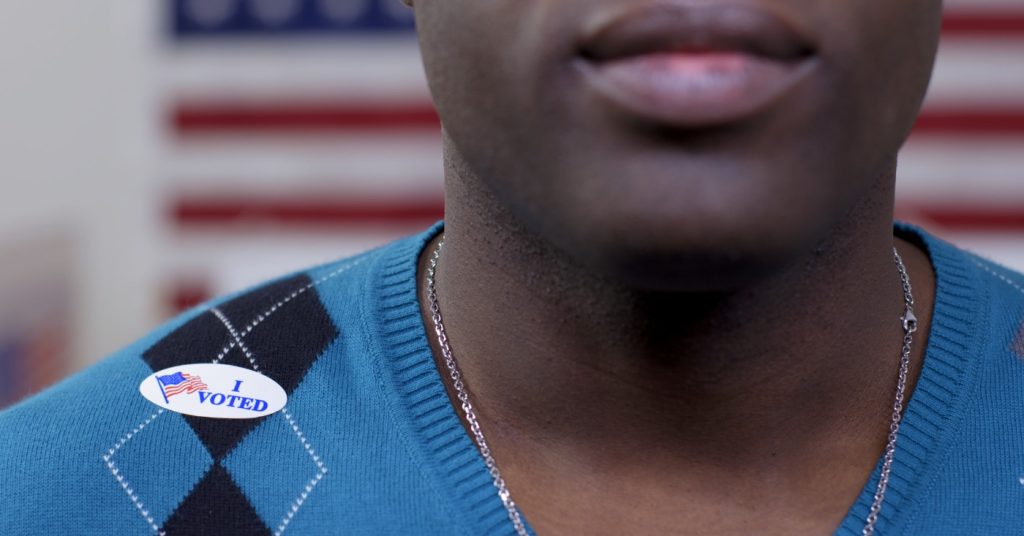
1870 — The 15th Amendment is ratified, giving African Americans the right to vote.
1877 — The era of Reconstruction ends. A deal is made with southern democratic leaders which makes Rutherford B. Hayes (1822 –1893) president in exchange for the withdrawal of federal troops from the South, and puts an end to efforts to protect the civil rights of African Americans.
1879 — Thousands of African Americans migrate out of the South to escape oppression.
1881 — Tennessee passes the first of the “Jim Crow” segregation laws, segregating state railroads. Similar laws are passed over the next 15 years throughout the Southern states.
1887 — Augustus Saint Gaudens unveils the “Standing Lincoln” statue in Lincoln Park, Chicago.
1896 — Plessy v. Ferguson case: racial segregation is ruled constitutional by the Supreme Court. The “Jim Crow” (“separate but equal”) laws begin, barring African Americans from equal access to public facilities.
1897 — Augustus Saint Gaudens unveils the Shaw Memorial in Boston Common.
1954 — Brown v. Board of Education case: strikes down segregation as unconstitutional.
1955 — In Montgomery, Alabama, Rosa Parks (1913 – 2005) is arrested for breaking a city ordinance by refusing to give up her seat on a public bus to a white man. This defiant act gives initial momentum to the Civil Rights Movement.
1957 — Martin Luther King, Jr. (1929 – 1968) and others set up the Southern Christian Leadership Conference, a leading engine of the Civil Rights Movement.
1964 — The Civil Rights Act is signed, prohibiting discrimination of all kinds.
1965 — The Voting Rights Act is passed, outlawing the practices used in the South to disenfranchise African American voters.
1967 — Edward W. Brooke (1919 – ) becomes the first African American U.S. Senator since Reconstruction. He serves two terms as a Senator from Massachusetts.
1968 — Martin Luther King, Jr. is assassinated in Memphis, Tennessee.
2008 — Barack Obama (1961 – ) becomes the first African American to win the U.S. presidential race.