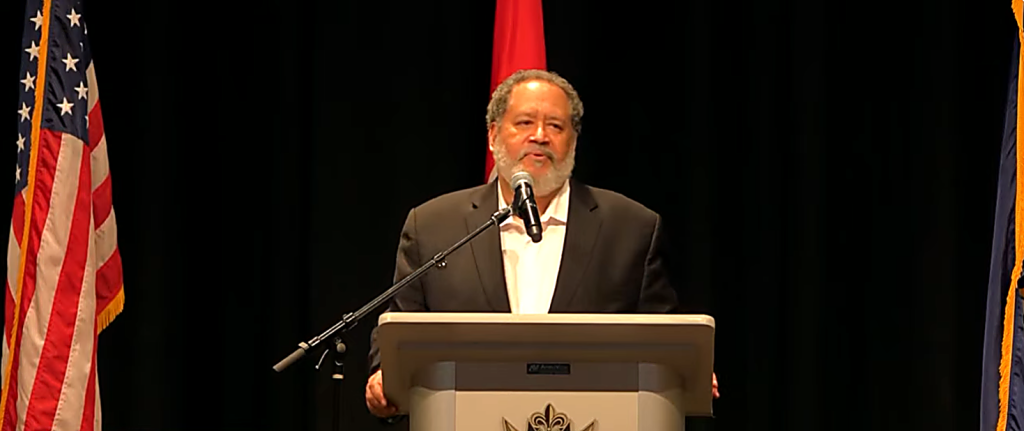
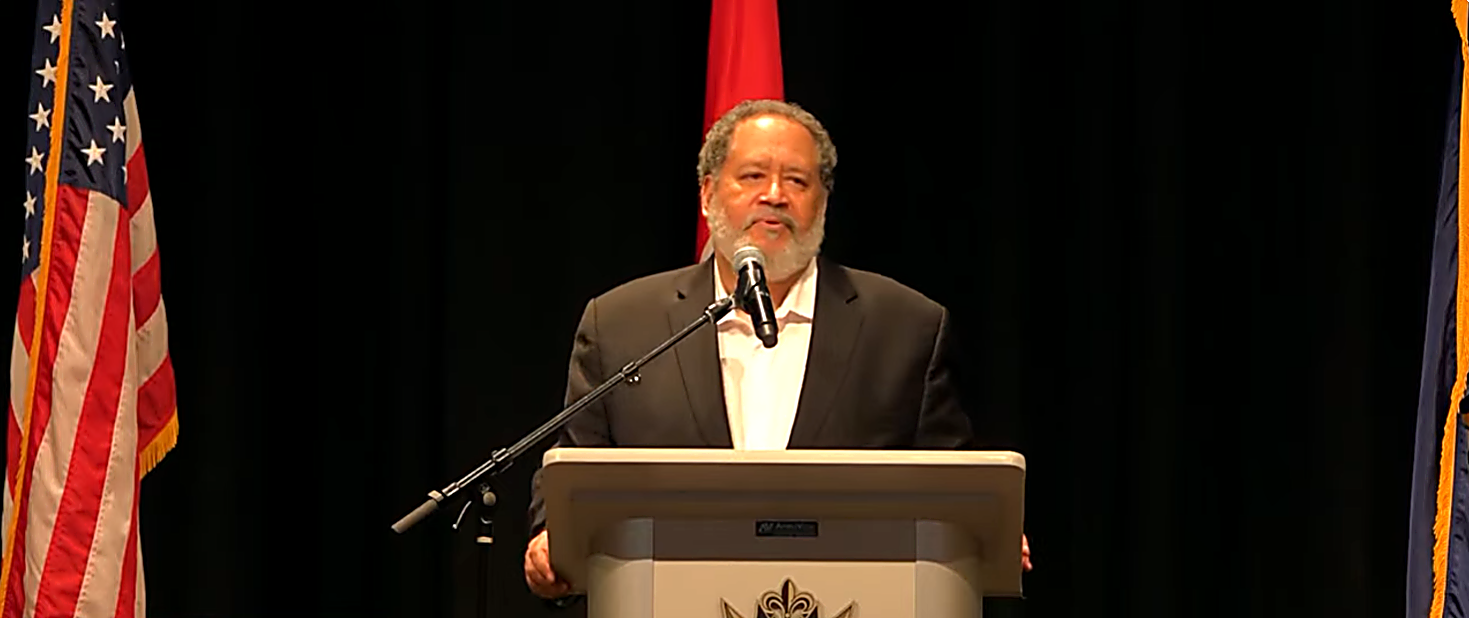
This month I announced ‘NextTennessee,’ policy proposals to build and sustain economic growth and competiveness for the next generation of Tennesseans.
At the end of the day, there is no higher potential for providing more opportunity for our citizens than increasing access to high quality education.
This month we proposed that Tennessee become the first state in the nation to offer all adults access to community college free of tuition and fees. Just like the Tennessee Promise, Tennessee Reconnect would provide last-dollar scholarships for adults to attend one of our community colleges for free (and at no cost to the state’s General Fund. With the Reconnect Act, Tennessee would be the first in the nation to offer all citizens, both high school students and adults) access to a degree or certificate free of tuition and fees.
We also proposed the STRONG Act, Support, Training and Renewing Opportunity for National Guardsmen. It is a four-year pilot program for eligible members of the Tennessee National Guard to receive a last-dollar tuition reimbursement toward a bachelor’s degree at our public universities and colleges. If we can help our soldiers and airmen who protect us at home and abroad, I believe we should do it.
The second area our legislative proposals address is infrastructure. The Improving Manufacturing, Public Roads and Opportunity for a Vibrant Economy (IMPROVE) Act proposes cutting taxes by $270 million while addressing important infrastructure needs in our state.
The tax cuts include reducing taxes for individuals on groceries and the Hall income tax, and on manufacturers to make Tennessee more attractive to industries that may want to relocate or expand here. We propose an increase of seven cents on the gas tax and 12% on diesel fuel, which will mean road and bridge improvements in 962 projects in all 95 counties, both urban and rural. It will also mean $78 million annually in increased revenue for counties and $39 million annually in increased revenue for our cities.
Insuring the future health of our state is not just about roads and bridges. Tennessee currently ranks 29th in the U.S. for broadband access, with 34% of rural Tennessee residents lacking access at recognized minimum standards. From the farmer and the accountant in West Tennessee whose businesses are stifled, to the East Tennessee student who can’t complete her schoolwork at home, a lack of reliable internet access is preventing too many rural Tennesseans, rural communities and our state from reaching its full potential.
The Tennessee Broadband Accessibility Act provides a reasonable, responsible path to improve access in a meaningful way through investment, deregulation and education.
Our plan allows Tennessee’s private, non-profit electric co-ops to provide retail broadband service and invests $15 million in grants and tax credits annually to help spur deployment in rural underserved areas. Of course, accessibility without adoption doesn’t accomplish very much, so we’re also focusing on digital literacy so interested Tennesseans can maximize the benefits of broadband.
We live in a world where if you have a strong internet connection you can just about work from anywhere. If we’re serious about putting our rural counties on a level playing field, then opening up broadband access is one of the largest steps forward we can take.
The Tennessee we can provide not only access to opportunity but the tools to be successful, including good roads that take you to good jobs—and broadband access to conduct and grow your business anywhere in Tennessee at the speed of the 21st century, plus a high quality education system that educates all.
We can do that in Tennessee. Because of the fiscal responsibility we have shown, the Tennessee we can be is a state with a safe and reliable transportation network that supports long-term growth, one of the best K-12 systems in the country and free access to a degree for all Tennesseans. And we can still be the state with the lowest taxes and the lowest debt.
For more information on these proposals, visit .