Susan Angeline Collins was an early trailblazer for United Methodist women. In the years following the U.S. Civil War, Collins went to college and became a successful business owner. All before answering her call to serve the Methodist Church in missions to Africa.
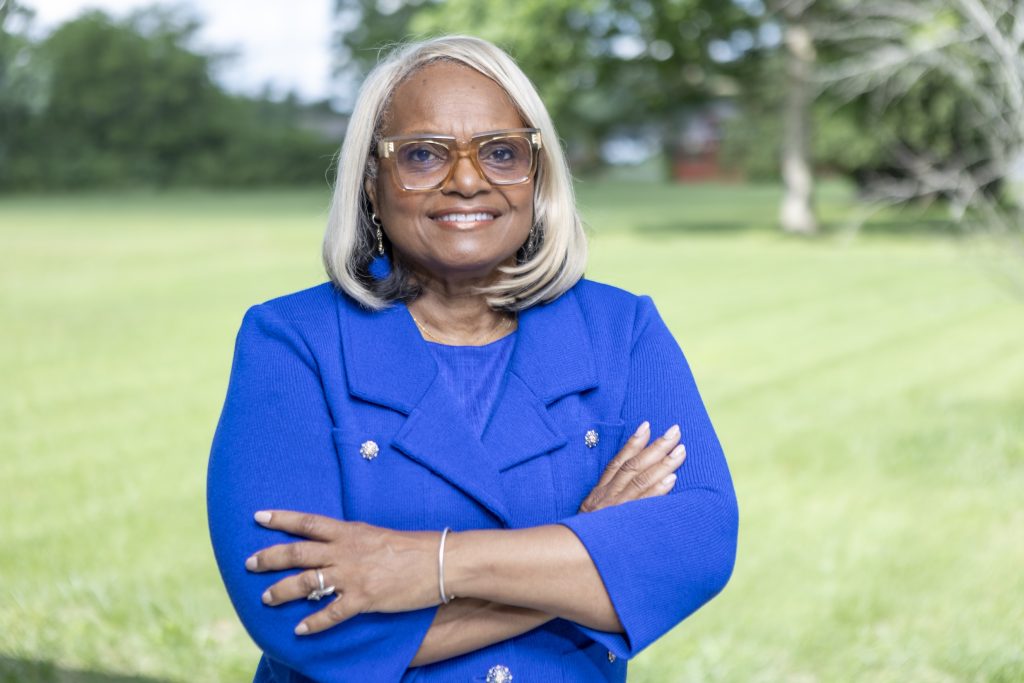
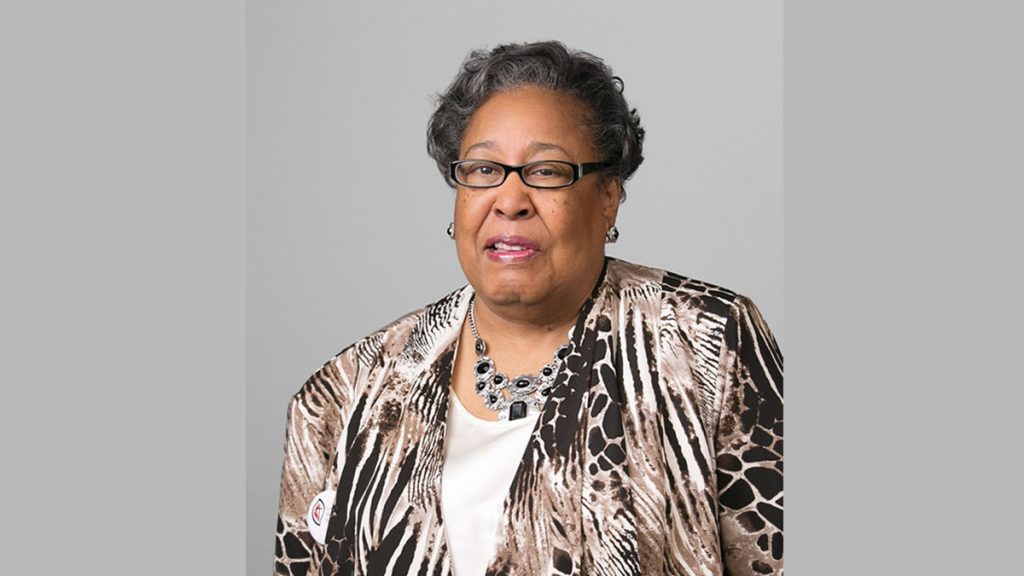
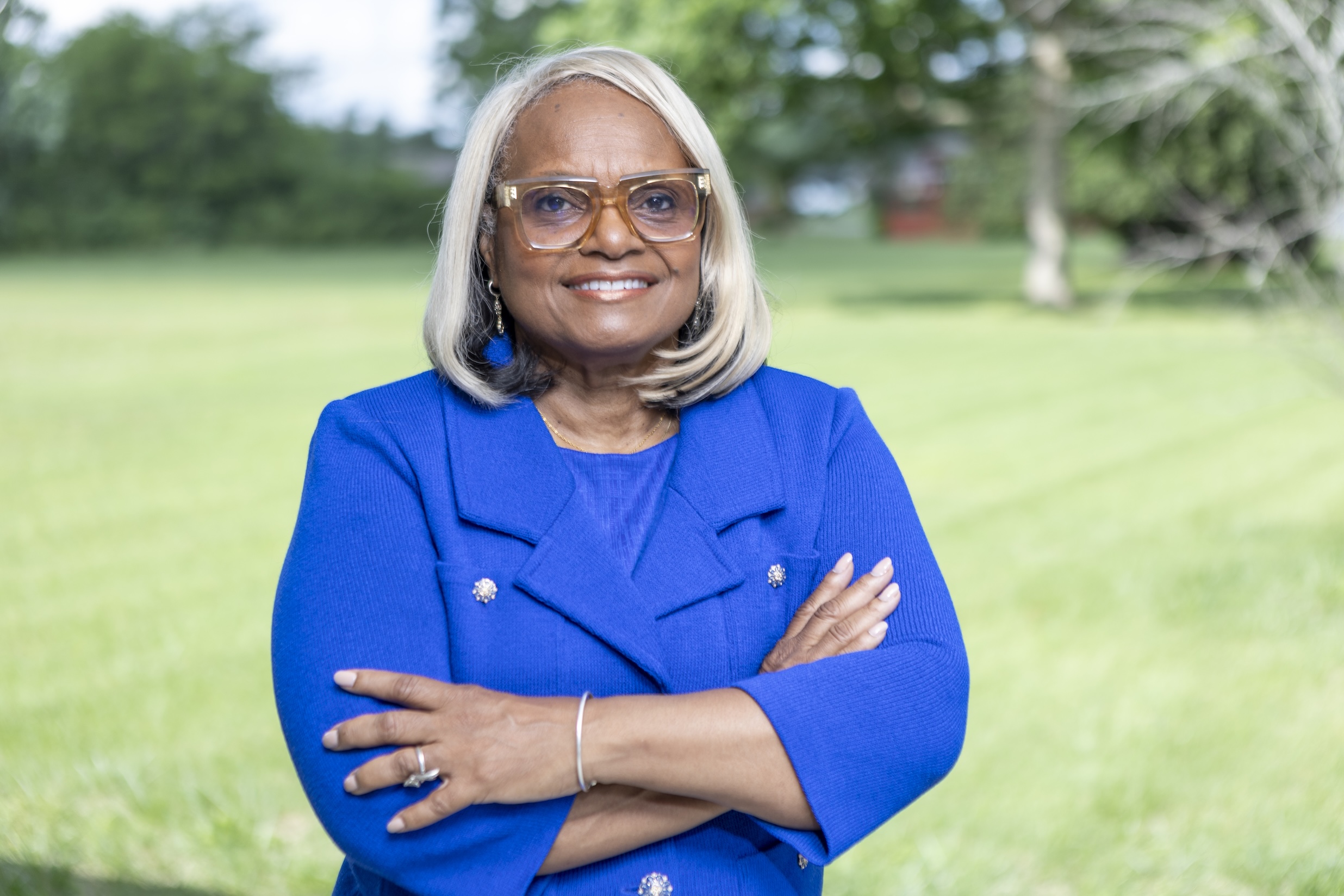
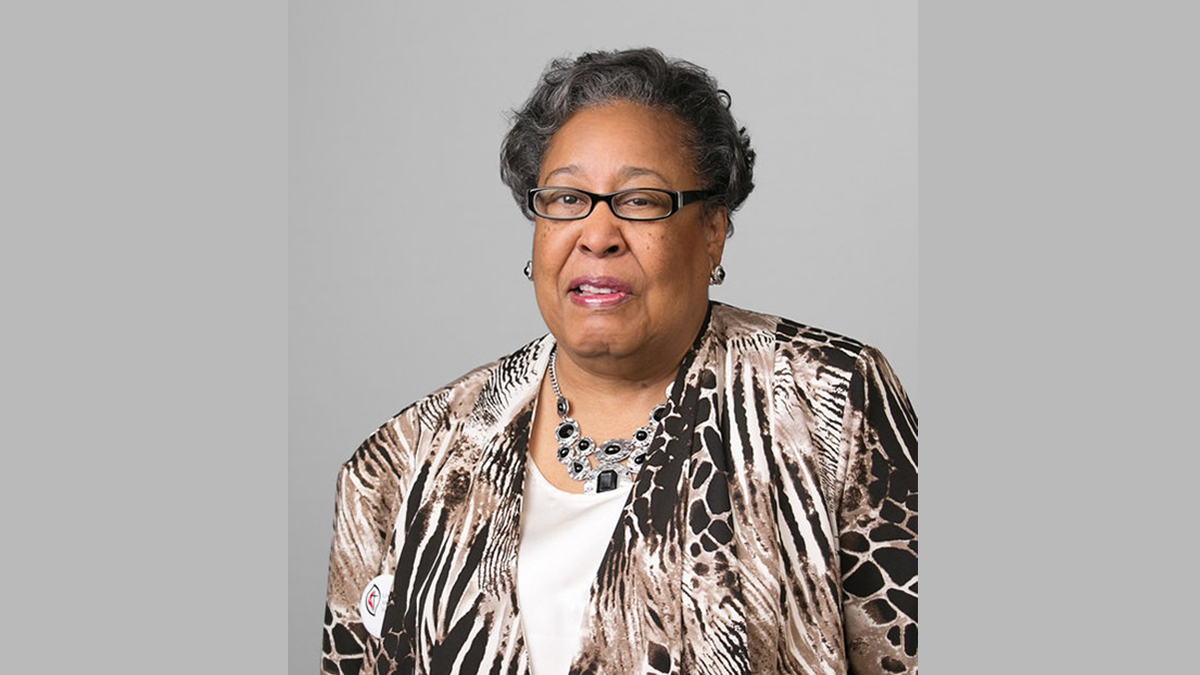
“To really make long-lasting, impactful, transformative change, generally it takes about a generation. And she gave a generation of her life,” said Carolyn Johnson, director of diversity for Purdue University.

Carolyn Johnson loves to tell the story of Susan Angeline Collins who was a Methodist missionary for more than 30 years. Collins founded a school for girls in Angola in the early 1900s.
“She owns her own laundry. This is a woman entrepreneur at this time,”Johnson said.
Collins was a remarkable woman before she ever entered the mission field. Born in Illinois in 1851, the daughter of an indentured servant, she was the first African American student to attend Upper Iowa University. Collins worked in the home of Rev. Jason Paine, a Methodist pastor in Iowa. She went on to own her own laundry business in Huron, Dakota.
“Someone brings in their laundry in, then it wasn’t uncommon for people to use old newspaper to wrap their things in,” said Johnson.“She unfolds this newspaper scrap and in there is an advertisement, a notice about the Chicago Training School.”
Collins sold the laundry to follow a call to attend that school for home and foreign missions.
“So here’s someone who has worked as an owner and she’s hoping to transition into a life where she owns nothing and she gets no money because that not the purpose,” said Johnson.“How can the message of Jesus that she wants to help bring witness to, how can she do that?”
That desire drove Collins to leave for Africa in 1887, at the age of 36. She worked 13 years for no pay under what was known as a self-supporting mission. Serving under this model made it difficult to afford necessities like shoes, but care packages from Rev. Paine’s family back home in Iowa sustained Collins’ work.
Despite hardships, Collins established a boarding school housing over 50 girls.
In 1900, Collins returned to Iowa and was told, at age 50, she was too old to continue as a missionary. She immediately began raising funds for a return passage to Africa. The Pacific branch of the Methodist Woman’s Foreign Missionary Society helped Collins resume her work in Angola, this time with pay. She served 18 more years.
“There are all kinds of women whose stories and narratives we had no idea existed to us but yet they impacted the life of the church,” said Johnson.
Collins was able to purchase a home in Iowa where she retired and became a beloved member of the community and her local Methodist Episcopal church. Collins passed away in 1940, weeks shy of her 89th birthday.