Declaring that Georgia’s new election laws are intended to deny voting rights specifically to African Americans, U.S. Attorney General Merrick Garland and Assistant Attorney General for the Civil Rights Division Kristen Clarke announced a lawsuit against the Peach State.
“The rights of all eligible citizens to vote are the central pillars of our democracy,” Garland said during a morning news conference on June 25. “They are the rights from which all other rights ultimately flow. Today, the Department of Justice is suing the state of Georgia. Our complaint alleges that recent changes to Georgia’s election laws were enacted with the purpose of denying or abridging the right of Black Georgians to vote on account of their race or color.”

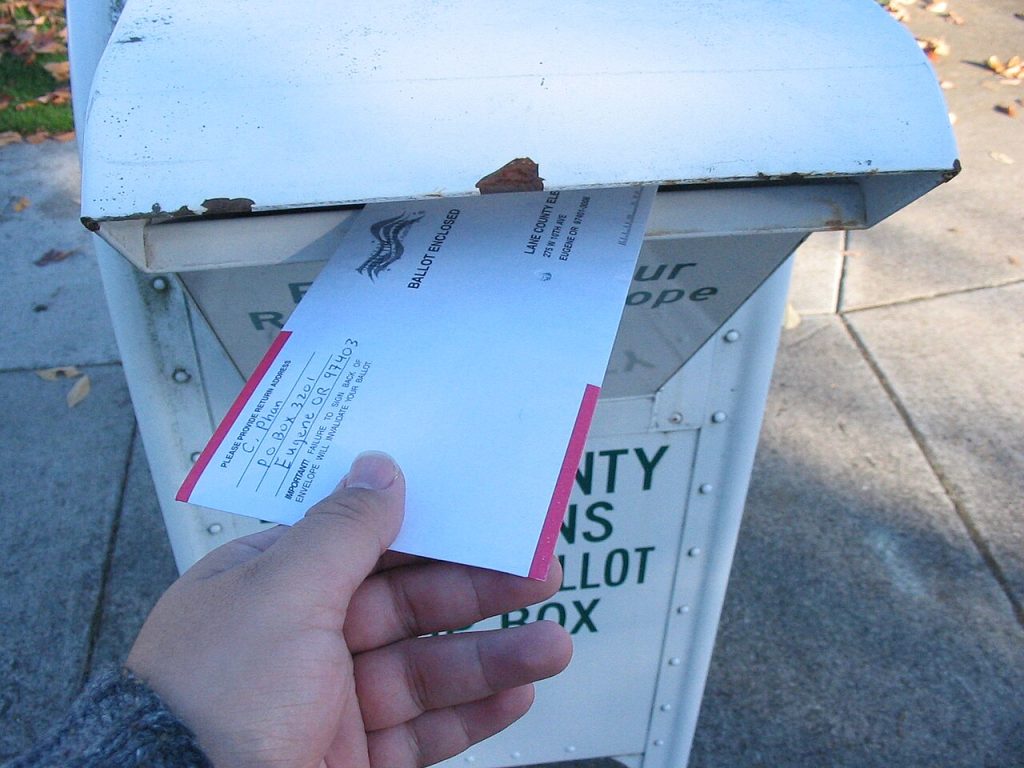
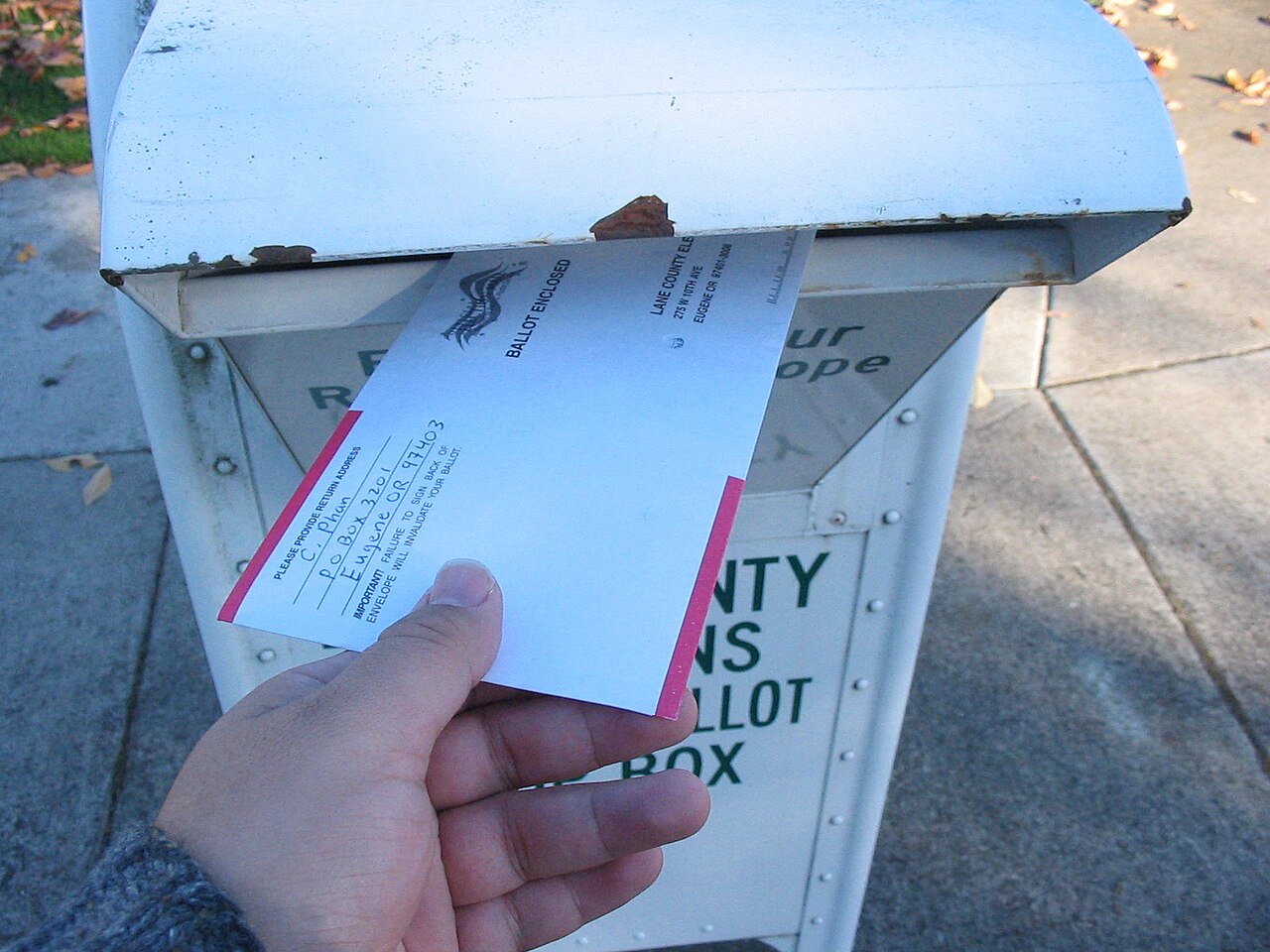
Georgia’s new law has frustrated and outraged many because of its voter ID requirements, restrictive mail-in voting, and other provisions that promise to make it more difficult for minorities to vote.
Signed by Republican Gov. Brian Kemp earlier this year, the new law restricts absentee voting and places rigid rules on the use of drop boxes.
“Section 2 of the Voting Rights Act prohibits the enforcement of any voting practice or procedure that has the purpose of denying or abridging the vote on account of race, color or membership in a minority group and S.B. 202 [the new Georgia law] violates this federal law,” said Clarke whom Garland has charged with overseeing the federal lawsuit.
larke also aimed at Georgia lawmakers banning anyone from providing food or drink to individuals waiting online to vote.
“It was unnecessary, and it passed with unlawful and discriminatory intent,” Clarke said.
The action by the attorney general’s office comes just days after Republicans in the U.S. Senate refused to hear discussions on ‘The For the People Act,’ which addresses voting rights.
“This lawsuit is the first of many steps we are taking to ensure that all eligible voters can cast a vote, that all lawful votes are counted, and that every voter has access to accurate information,” Garland said.
“The Civil Rights Division continues to analyze other state laws that have been passed, and we are following the progress of legislative proposals under consideration in additional states. Where we believe the civil rights of Americans have been violated, we will not hesitate to act.”