by Danielle Smith, Producer
Health experts believe Tennesseans can reverse pre-diabetes, and prevent the onset of Type 2 diabetes.

Dr. Tobi Amosun, the assistant commissioner of family health and wellness for the Tennessee Department of Health, said in pre-diabetes when a person’s blood sugar levels are higher than normal but haven’t spiked high enough to be diagnosed as Type 2 diabetes, patients often show no symptoms.
“A pre-diabetes level is considered when you have a hemoglobin A1C level of between 5.7% and 6.4%. If you’re 5.6% and less, you’re in the normal range; 6.5% and higher, you’re in the diabetes range,” Amosun said.
About 730,000 Tennesseans have been diagnosed with diabetes, which is 13.6% of the adult population in the state. Amosun emphasized that, if left untreated, the condition becomes more serious over time, causing such health problems as heart disease, stroke, nerve damage, vision problems, and kidney disease.
Amosun pointed out obesity and family history are among the risk factors for pre-diabetes and diabetes. She explained the obesity data they are seeing across the state is showing more obesity concerns among men than women, and in rural populations compared to urban. It also tends to be higher among people of color. And among children, she said, four of 10 in Tennessee are obese.
“Pediatric obesity, we know about 40% of Tennessee children in K-12 are either overweight or obese,” Amosun said. “Overweight or obese means that they’re hitting the 85th percentile for their Body Mass Index or higher.”
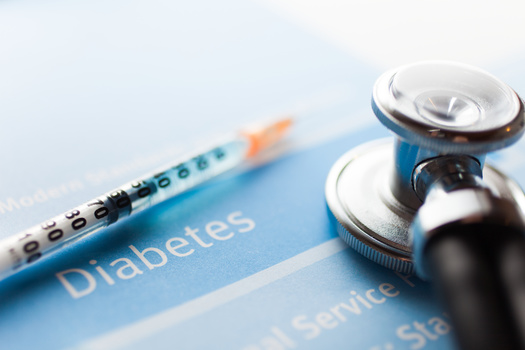
Every day, 7.5 million Americans rely on insulin to manage their blood sugar levels and help prevent the complications of living with diabetes.
Dr. Nicole Brady, chief medical officer for employer and individual business at UnitedHealthcare, noted beginning Jan. 1, UnitedHealthcare has decided its eligible members will pay nothing out-of-pocket for short and long-acting insulin.
“So we’re really, really hoping that eliminating the out-of-pocket expense for insulin helps reduce that burden of paying for that insulin and that cost and financial burden,” Brady stated. “People will be able to be better adherent to their medications and take them more regularly.”
Doctors pointed out that during the pandemic, a lot of people skipped their routine wellness visits to check things like blood pressure and blood glucose levels. Diabetes is manageable and even preventable, with medical checkups, a healthy diet, and regular exercise.