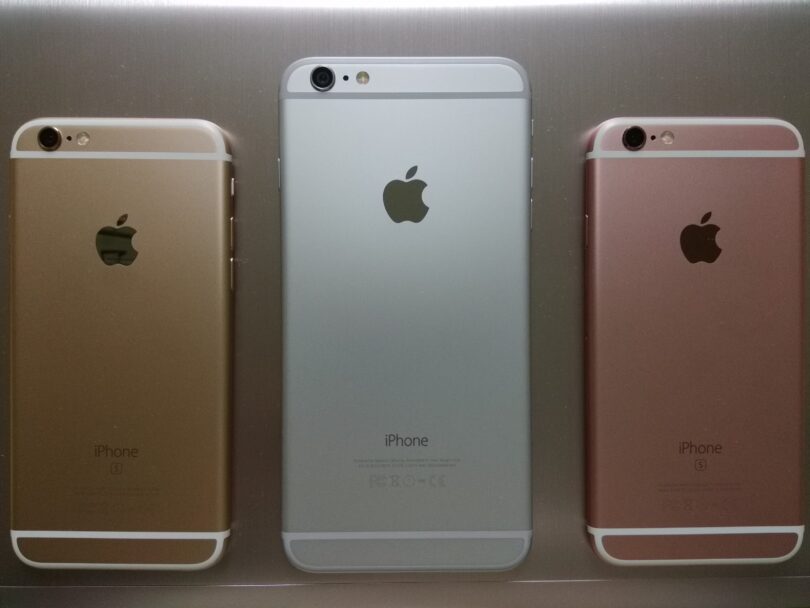
The U.S. Justice Department, joined by 16 state and district attorneys general, has sued tech behemoth Apple, alleging monopolistic practices in the smartphone market. The lawsuit, filed in the U.S. District Court for the District of New Jersey, accuses Apple of violating Section 2 of the Sherman Act by maintaining a stranglehold over smartphones through restrictive contractual terms and withholding critical access points from developers.
Attorney General Merrick B. Garland minced no words, asserting, “Consumers should not have to pay higher prices because companies violate the antitrust laws.”

Deputy Attorney General Lisa Monaco echoed Garland’s remarks, emphasizing that no company is above the law, regardless of its stature. “Through today’s action, we reaffirm our unwavering commitment to that principle,” Monaco stated.
The lawsuit alleges that Apple leverages its dominance to stifle competition, extract exorbitant consumer prices, and constrain options for developers and users alike. Assistant Attorney General Jonathan Kanter of the Justice Department’s Antitrust Division outlined Apple’s alleged tactics, including blocking innovative apps and suppressing mobile cloud streaming services.
“In this way, today’s complaint also reflects the broader importance of vigorous antitrust enforcement,” Kanter asserted.
Acting Associate Attorney General Benjamin C. Mizer emphasized the Justice Department’s determination to utilize all available tools to promote economic justice and innovation. “Today’s action against Apple sends a strong signal to those seeking to box out competitors and stifle innovation,” Mizer said.
With its colossal net revenues of $383 billion in fiscal year 2023, Apple finds itself under intense scrutiny. The lawsuit parallels the landmark Microsoft case, suggesting Apple employs similar anticompetitive tactics.
The complaint also delves into Apple’s alleged deliberate degradation of cross-platform messaging functionality and its conditioning of developer access to essential interfaces. According to the Justice Department, these actions erect barriers that hinder competition and innovation, ultimately harming consumers and developers.
“Apple knowingly and deliberately degrades quality, privacy, and security for its users,” Garland asserted. He contends that the lawsuit is a step toward rectifying the injustices and restoring fairness to the market.