


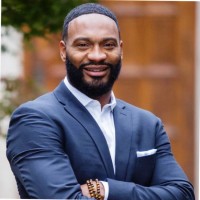
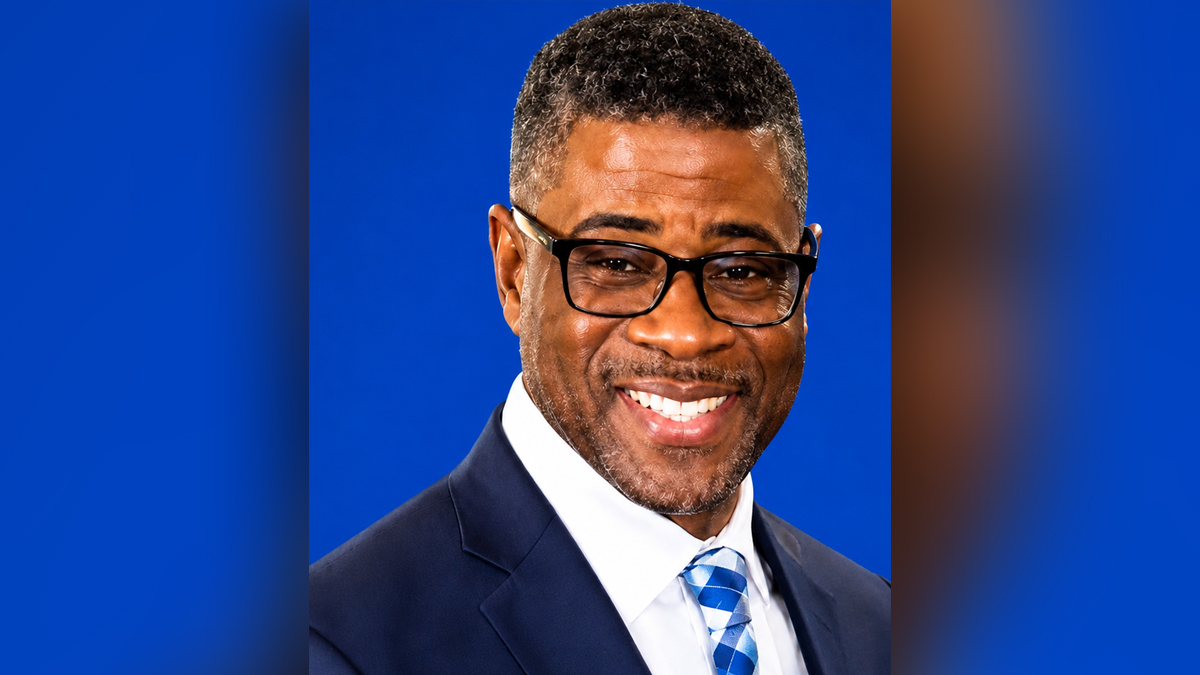
by Kenny Hampton, President of African American Male Wellness Agency
The health and well-being of Black men is a topic of paramount importance that demands our collective attention and action. Black men face significant health disparities that not only affect their individual lives but also have profound impacts on their families, communities, and the broader society.

Addressing these disparities and promoting the health of Black men is not merely a matter of individual well-being. It is a crucial step toward fostering stronger, more resilient communities.
The health disparities faced by Black men are well-documented. According to the Centers for Disease Control and Prevention (CDC), Black men have higher rates of chronic illnesses such as hypertension, diabetes, and heart disease compared to their white counterparts. They are also more likely to die from these conditions.
Additionally, Black men experience higher rates of certain cancers, including prostate and colorectal cancer, and have lower survival rates for these diseases.
These disparities are not solely due to genetic factors but are deeply rooted in social determinants of health, including access to healthcare, socioeconomic status, education, and environmental factors.
One of the most striking health disparities is the significantly shorter life expectancy of Black men. On average, Black men live about six years less than White men. This gap is a stark reminder of the systemic inequities that continue to plague our healthcare system.
These inequities are compounded by factors such as racial bias in medical treatment, lack of access to preventive care, and socioeconomic challenges that limit opportunities for healthy lifestyles.
The impact of poor health on Black men extends beyond the individual to the entire community. When Black men are healthy and thriving, their families are stronger and more stable. Children benefit from having healthy, active fathers and role models who can fully participate in their lives. Healthy Black men contribute to the economic stability of their families and communities, as they are better able to work, provide, and participate in community activities.
Moreover, the health of Black men is inextricably linked to the overall health and well-being of the Black community. When Black men face significant health challenges, it places a strain on community resources and social structures. Healthcare costs rise, and the burden of care often falls on family members, who may themselves face health challenges and economic hardships.
By contrast, when Black men are healthy, they can contribute to community resilience, leadership, and economic prosperity.
Promoting the health of Black men requires a multifaceted approach that addresses both individual and systemic factors. It begins with raising awareness about the importance of preventive care and encouraging regular health screenings.
Education and outreach efforts must be culturally tailored and accessible, addressing the unique needs and concerns of Black men. This includes dispelling myths and misconceptions about healthcare and promoting positive health behaviors.
Access to quality healthcare is another critical component. This means not only increasing the availability of healthcare services in underserved communities but also ensuring that these services are culturally competent and responsive to the needs of Black men.
Healthcare providers must be trained to recognize and address implicit biases that can affect the quality of care. Policies that expand healthcare coverage and reduce economic barriers to accessing care are essential.
Community engagement and support are also vital. Black men need safe spaces where they can discuss their health concerns, share experiences, and receive support. Community organizations, faith-based groups, and social networks play a crucial role in providing this support and fostering a culture of health. Initiatives such as the African American Male Wellness Walk, which our agency proudly sponsors, create opportunities for Black men to come together, get active, and access health resources in a supportive and empowering environment.
At the African American Male Wellness Agency, we are dedicated to saving Black men’s lives and promoting their health through comprehensive programs and initiatives. Our mission is to eliminate health disparities and improve the quality of life for Black men. Through our annual Wellness Walks, health fairs, and community outreach events, we provide free health screenings, educational workshops, and resources to thousands of men. Our programs focus on prevention, early detection, and management of chronic diseases, as well as mental health support and wellness education.
We also advocate for policies that address the social determinants of health and promote equity. By partnering with healthcare providers, policymakers, and community organizations, we work to create systemic change that benefits not only Black men but also their families and communities. Our efforts are driven by the belief that when Black men are healthy, our entire community thrives.
Finally, addressing the social determinants of health is essential for creating lasting change. This includes efforts to improve education, economic opportunities, and housing conditions in Black communities. It also means advocating for policies that address systemic racism and promote equity in all areas of society. When we address these root causes, we create conditions where Black men can achieve optimal health and well-being.
In conclusion, the health of Black men is a critical issue that has far-reaching implications for individuals, families, and communities. By addressing health disparities and promoting the well-being of Black men, we can build stronger, more resilient communities where everyone has the opportunity to thrive. It is a collective responsibility that requires commitment, action, and a vision for a healthier future for all.
(Kenny Hampton is the president of the African American Male Wellness Agency, an organization dedicated to promoting the health and well-being of Black men through education, advocacy, and community engagement.)





Stephen A. Smith calls NABJ award a ‘personal hit job’