


In a revealing and disturbing revelation, it appears that the mainstream media (once seen as the last line of defense against political corruption) may be bending to the will of Donald Trump. Multiple prominent news outlets, including Politico, The New York Times, and The Washington Post, have reportedly been handed confidential material from within the Trump campaign, including a detailed vetting report on J.D. Vance, Trump’s vice-presidential pick. Yet, instead of reporting on the contents, these outlets have chosen to keep the information under wraps.
The Associated Press noted that the decision is even more startling given the media’s aggressive coverage of the 2016 election, where hacked emails from Hillary Clinton’s campaign were relentlessly published and scrutinized. “Back then, there was no hesitation to dive into the details of the leaked communications, despite the clear involvement of Russian operatives,” the Associated Press noted. But in 2024, when the Trump campaign’s internal documents land in their laps, the same outlets are suddenly squeamish, raising serious questions about their integrity and motivations.

Politico acknowledged receiving emails from a mysterious figure named ‘Robert’ that included a 271-page campaign document on J.D. Vance and a partial vetting report on Florida Sen. Marco Rubio, who was also considered for the vice presidential slot. Both Politico and The Washington Post confirmed the authenticity of the documents but have chosen to focus on the potential origins of the leak rather than the damning content within.
The Trump campaign, predictably, has spun this to its advantage, claiming (without evidence) that Iranian operatives hacked the campaign. The timing of this claim, coming on the heels of a Microsoft report detailing an Iranian attempt to breach the email of a former senior advisor to a presidential campaign, raises more questions than it answers. Yet, the mainstream media seems content to take this claim at face value, echoing the Trump campaign’s narrative rather than challenging it.
These outlets’ reluctance to publish the leaked material is in stark contrast to their behavior in 2016, when the media was all too eager to publish every salacious detail from the Clinton campaign’s hacked emails. The Times, which has refused to discuss why it chose not to publish the Trump campaign’s internal documents, is now being criticized for what appears to be a double standard.
Critics argue that this newfound restraint is nothing more than the media protecting Trump or, at the very least, avoiding the kind of backlash that might come from publishing unflattering material about him. Jesse Eisinger, senior reporter at ProPublica, slammed the outlets’ decision, telling the Associated Press: “Once the material is verified as authentic, the public has a right to know what’s inside. It’s not the media’s job to shield a political campaign from embarrassment—especially when that campaign has been less than transparent.”
Eisinger’s sentiment echoes the frustration of many who see the media’s reluctance as a betrayal of its duty to inform the public. “The media is supposed to be a watchdog, not a lapdog,” said one social media commentator, capturing the growing disillusionment with mainstream news outlets.
The FBI has confirmed that it is investigating the matter, but the Trump campaign and the media have not been transparent, leaving the public in the dark. While it’s possible that foreign interference is at play, it’s equally plausible that this is just another example of the Trump campaign’s mastery of manipulation and the media’s complicity in it.
As the 2024 election nears, most argue that the stakes could not be higher and that the media’s role in shaping public perception is more critical than ever. By choosing not to publish these documents, The New York Times, Politico, and The Washington Post have not only abdicated their responsibility but also set a dangerous precedent. In an era where misinformation reigns supreme, their silence speaks volumes.
“If the media starts picking and choosing what truths the public is allowed to see, then we’re no longer living in a democracy—we’re living in something much darker,” a veteran journalist stated.



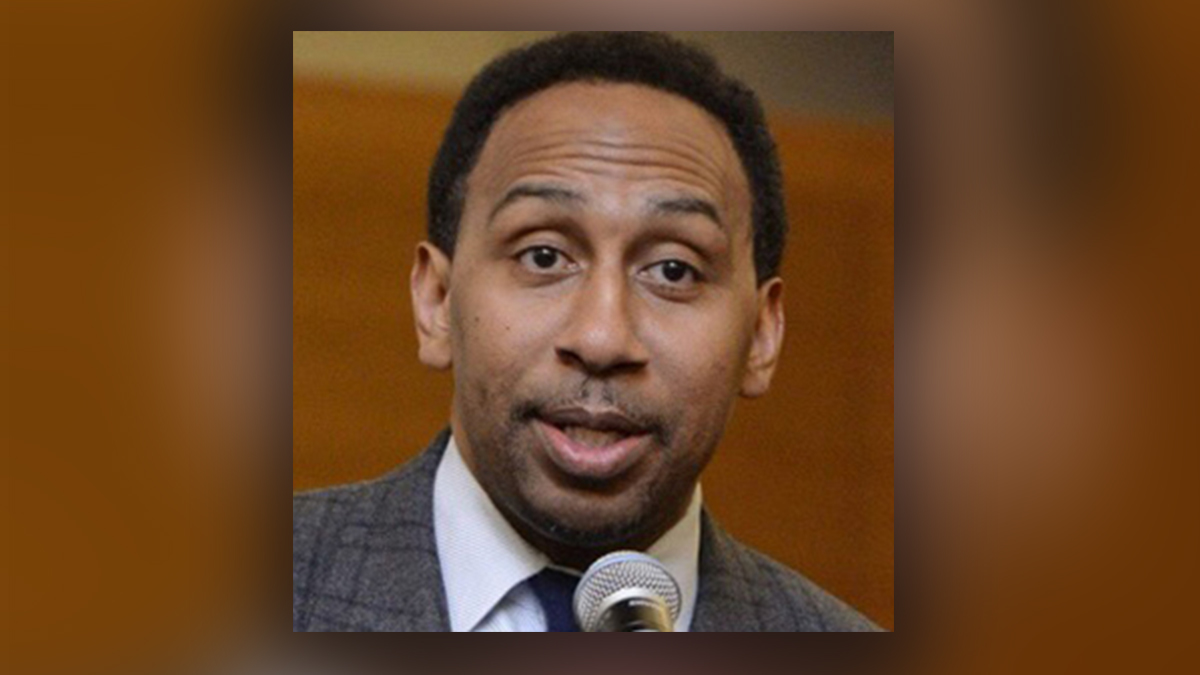
Stephen A. Smith calls NABJ award a ‘personal hit job’