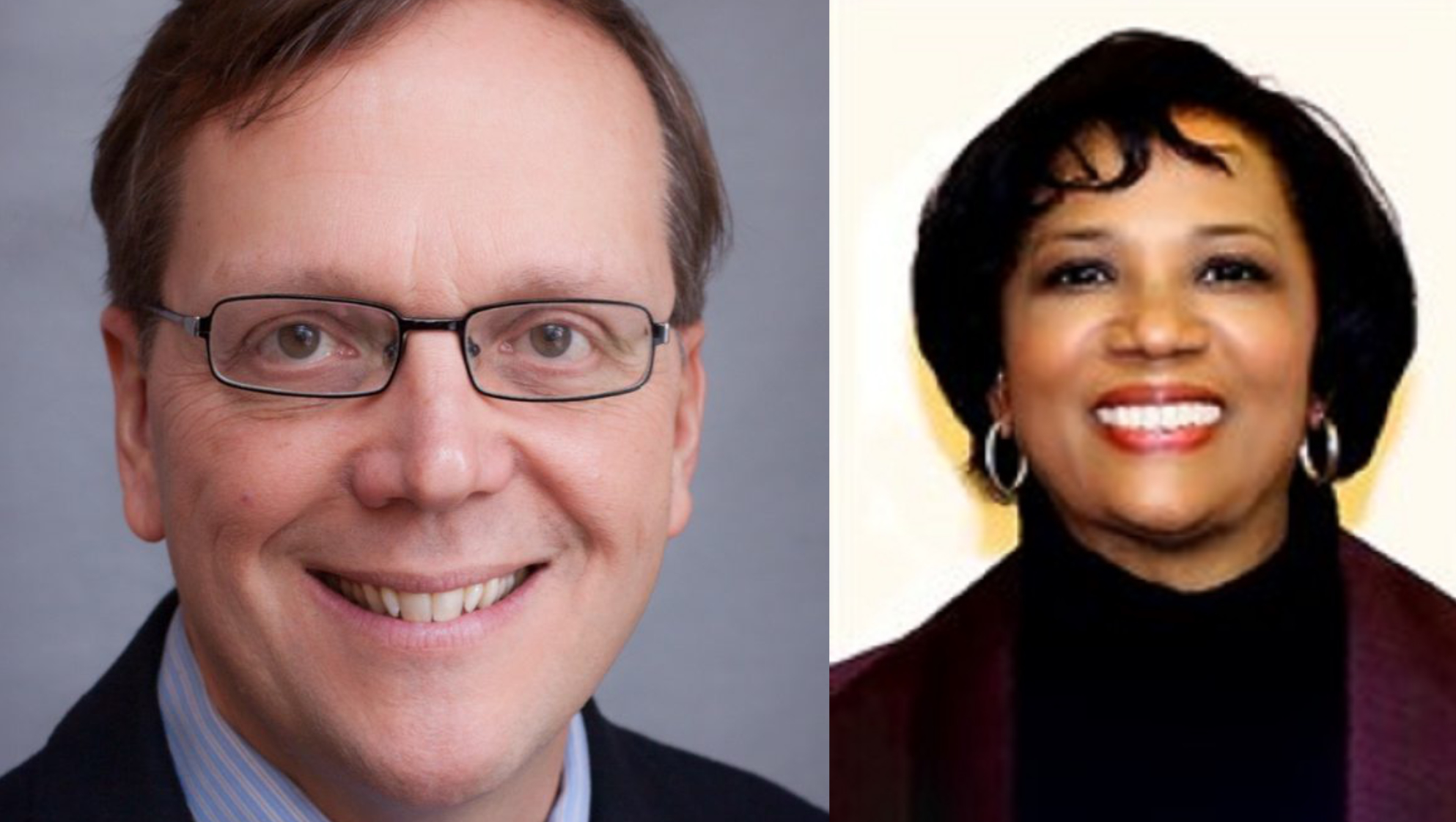
by D.G. Mawn, J.D. and Stephanie E. Myers, Ph.D.
In 1964, President Lyndon Baines Johson said: “A challenge to all of us to go to work in our communities and our states, in our homes and in our hearts, to eliminate the last vestiges of injustice in our beloved country.” President Johnson made this important statement when he signed the historic 1964 Civil Rights Act. And while 60 years later we have made enormous progress in eliminating injustice in our beloved country, there is still lots more work to do.

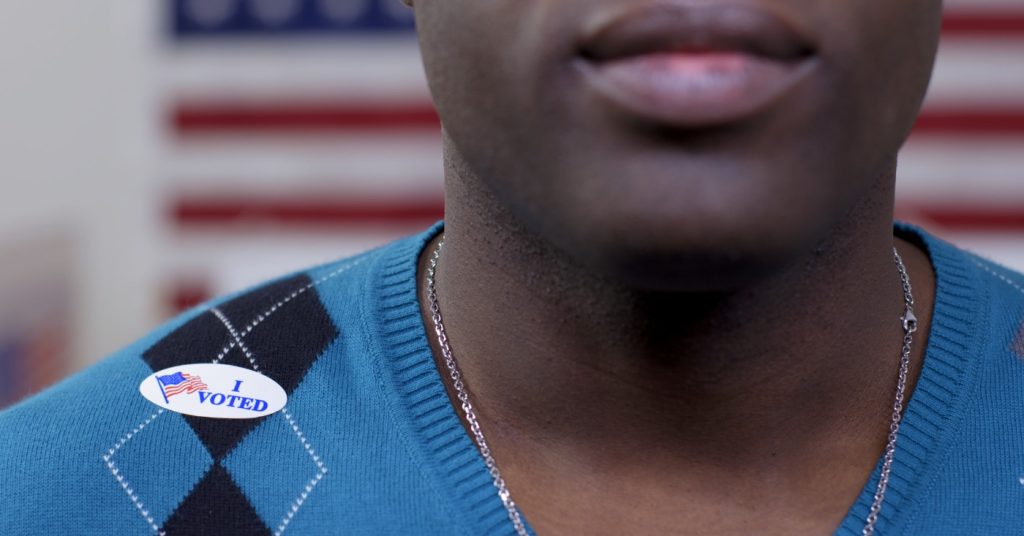
For America to be a more perfect union, all citizens must participate fully in the electoral process as well as full participation in social and civic life. This means that we must all do our part to assure that any barriers to full participation related to race, sex, religion, ethnicity, national origin, age, and disability are removed. Going forward, we must be on guard to assure that legislation is not enacted that could result in destroying the 1964 Civil Rights Act. Instead, we should consider actions that will further the reach of the Civil Rights Act, to ensure equity for all people.
One opportunity to strengthen implementation of the Civil Rights Act is the mandate in Section 10 of the Civil Rights Act of 1964. Section 10 signifies the federal government’s willingness to offer strong support for community-based problem solving and peace building. To this end, the Act establishes and resources two efforts, both of which are designed to include community voices often marginalized or left out entirely.
First, we need to strengthen and protect the Community Relations Service (CRS) in the U.S. Department of Justice. President Johnson talked in detail about the importance of the CRS for reconciliation and voluntary compliance with laws that enforce nondiscriminatory polices at accommodations, transportation, and voting. CRS needs consistency in leadership and insist that current Acting Director Justin Lock be immediately presented to the U.S. Senate for confirmation.
Second, Section 10 in the Civil Rights Act started the infrastructure of community-based mediation in the U.S. by enlarging dispute mechanisms that prioritize a role for communities in resolving their own disputes. President Richard Nison supported the establishment of locally-led infrastructure for community dispute resolution that was meant to work in tandem with CRS.
This mechanism focuses on facilitating the development of ‘Community Mediation Centers’ (CMCs) that are throughout the country and work to resolve community-based conflicts. We know from experience that resolving conflicts requires collective response and is not a one-person or one-entity responsibility. Today, we must fight to maintain the nearly 500 CMCs that serve 500 distinctive communities across North America. And the majority of those centers are members of the National Association for Community Mediation (NAFCM), a national non-profit organization dedicated to conflict resolution.
Grassroots CMCs offer support on the ground in real time to those in conflict and are bridges between federal action and local disruptions, disturbances, and disputes. CMCs stand for and with community members and operate as barometers reflecting changes in the political, economic, communication, and social conditions, as well as opinions of the people about conflict and dispute resolution.
President Johnson said: “Every time we fought for rights in this country, we’ve made rights more expansive for other people. I think that’s one of the greatest legacies of the Civil Rights Act because when you look at it, you’re saying that this country belongs to everybody. And if it’s going to belong to everybody, everybody should have equal protection.”
The existence of community-led, federally supported dispute resolution is essential. This collaboration is a key dynamic that has appeared and disappeared over the decades. When only federal action is taken through the CRS, it can lead to short-term fixes that only involve individuals and agencies adjacent to the harm. Instead, broad and deep reach is needed creating long-lasting results and regenerative possibilities that requires the involvement of the CMCs.
We need a stronger collaboration between CMCs and CRS offices to help communities create long-lasting permanent steps toward the beloved community that we are working towards. We want all Americans to be seen, heard, and to feel connections to one another. Let’s come together to fight to strengthen and protect the Civil Rights Act and confirm the appointment of Acting Director Justin Lock of the CMS. This will strengthen our communities and national impact on issues justice, engagement and peace.
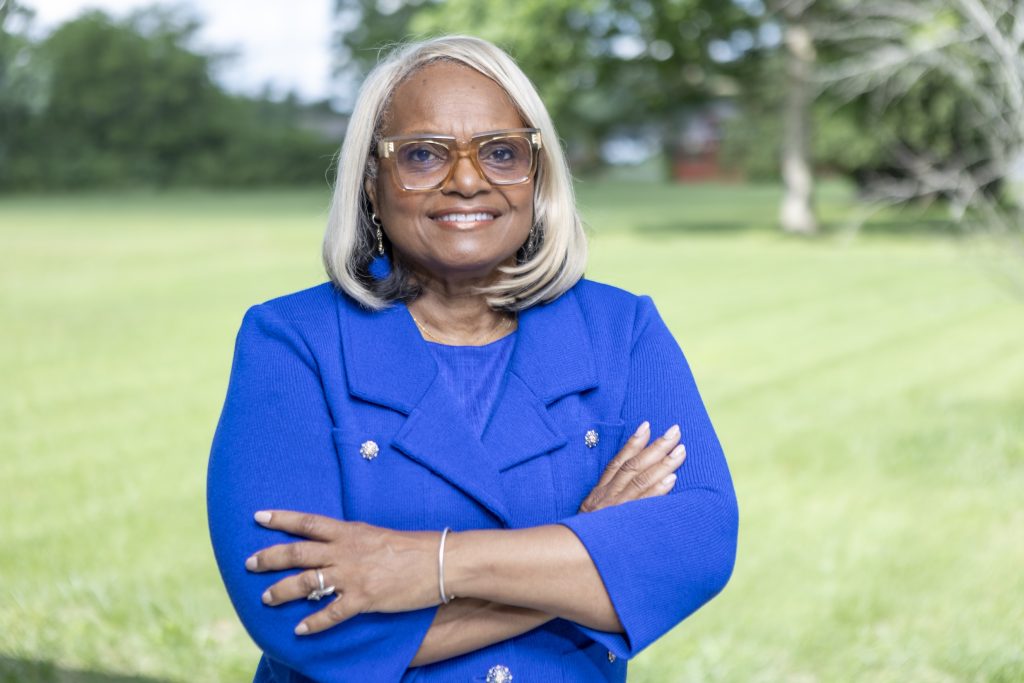
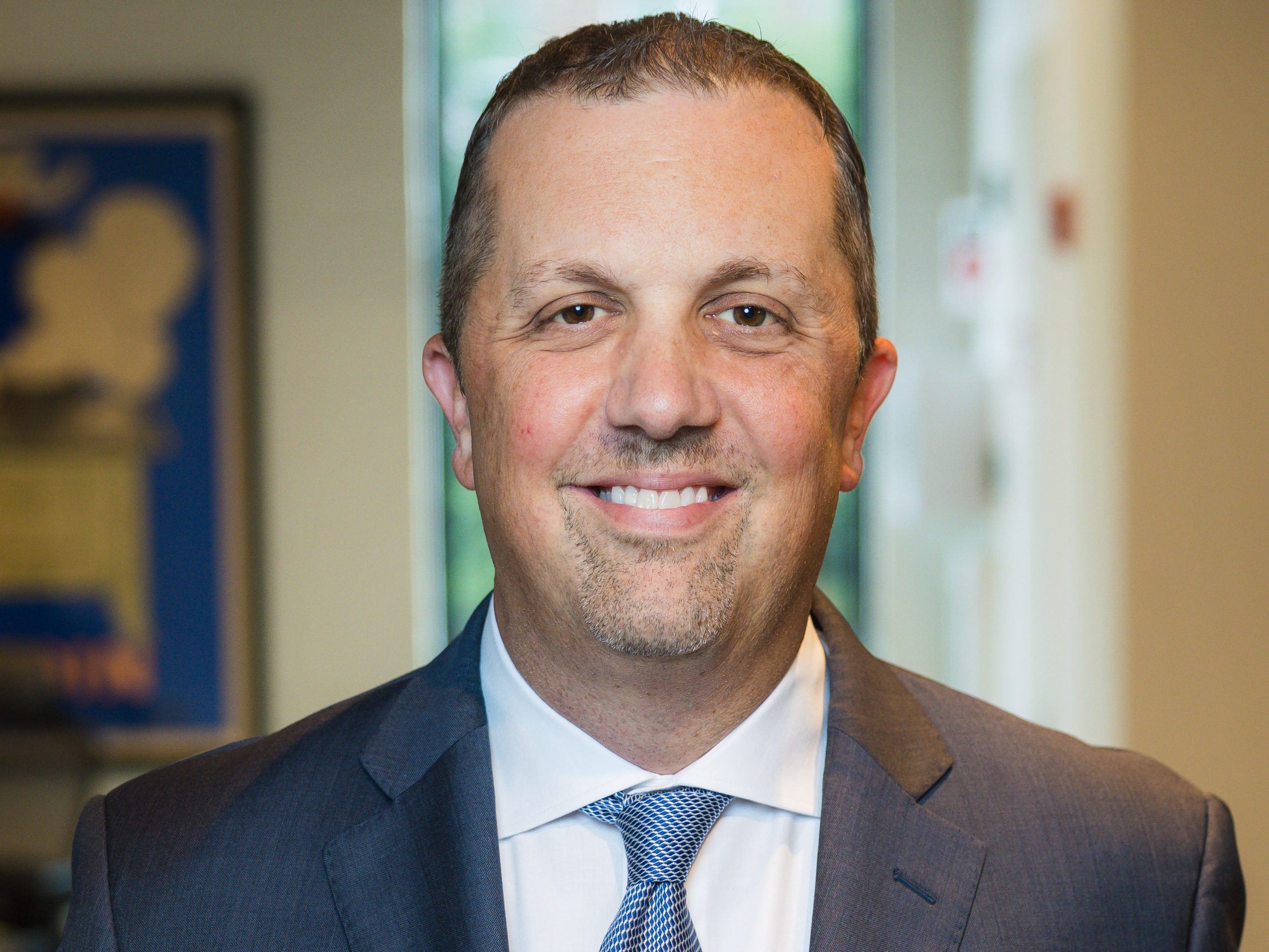
(D.G. Mawn, J.D., is president of the National Association for Community Mediation, a national hub for the community mediation movement initiated by the 1964 Civil Rights Act. seeking justice, social cohesion and peace.
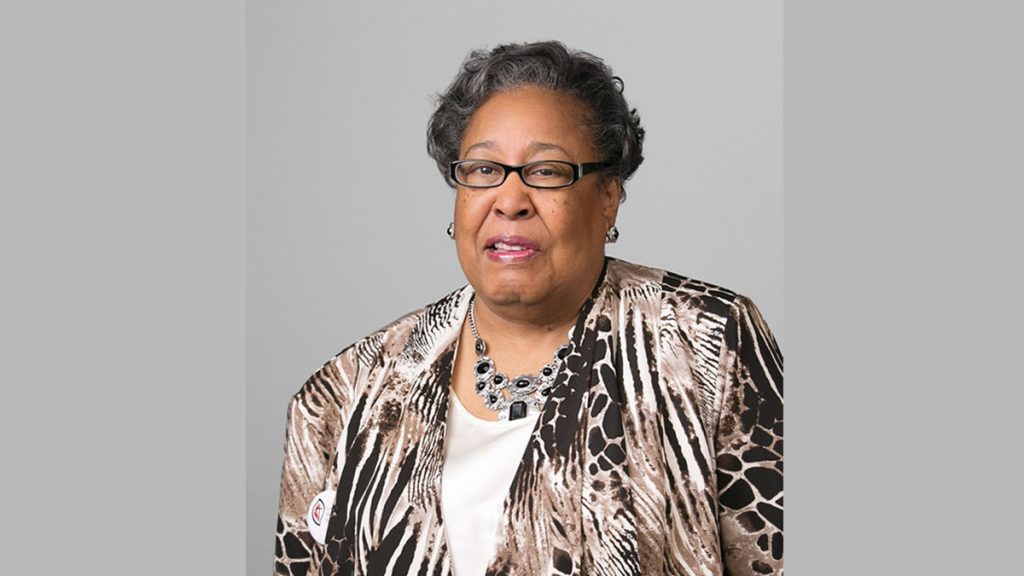
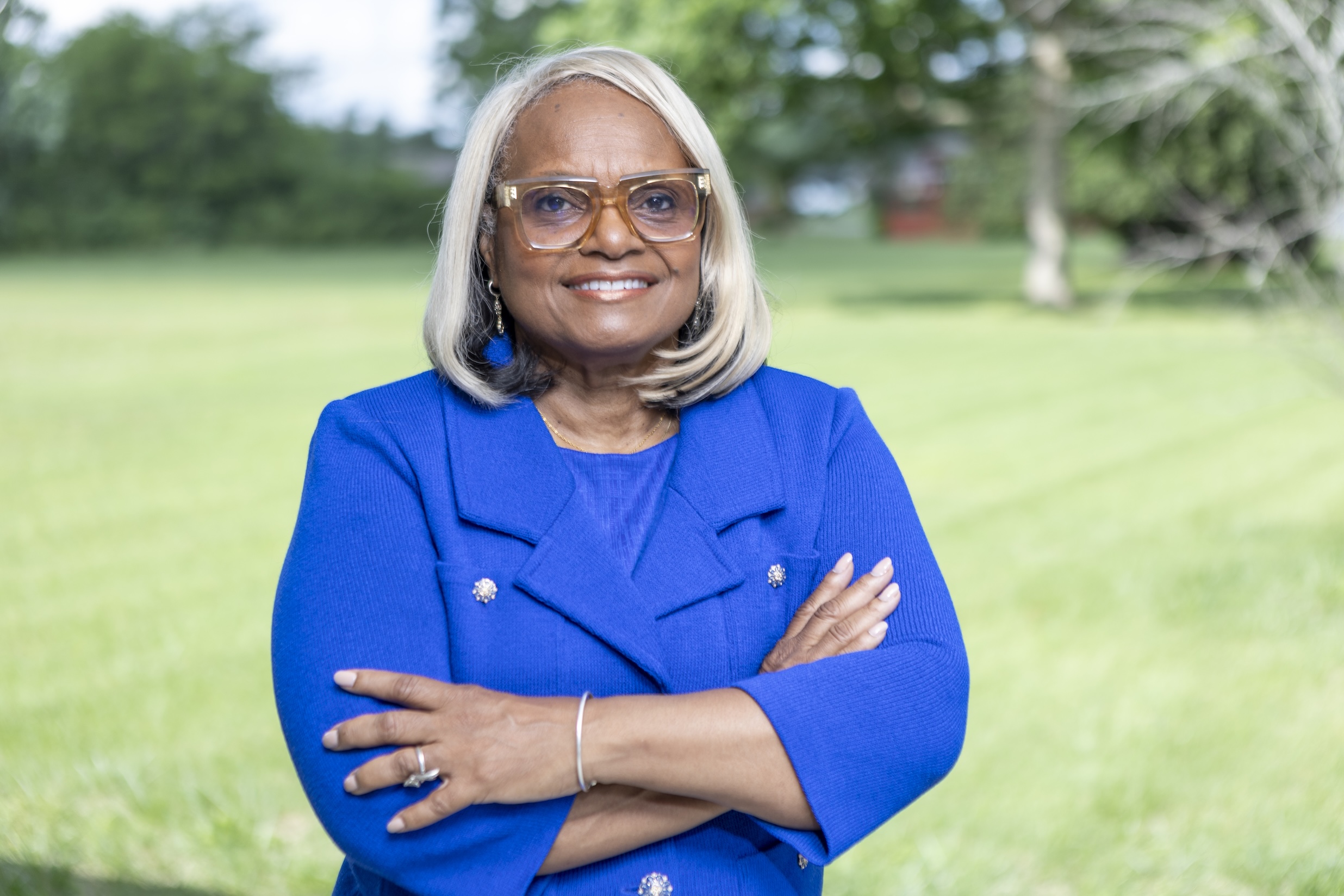
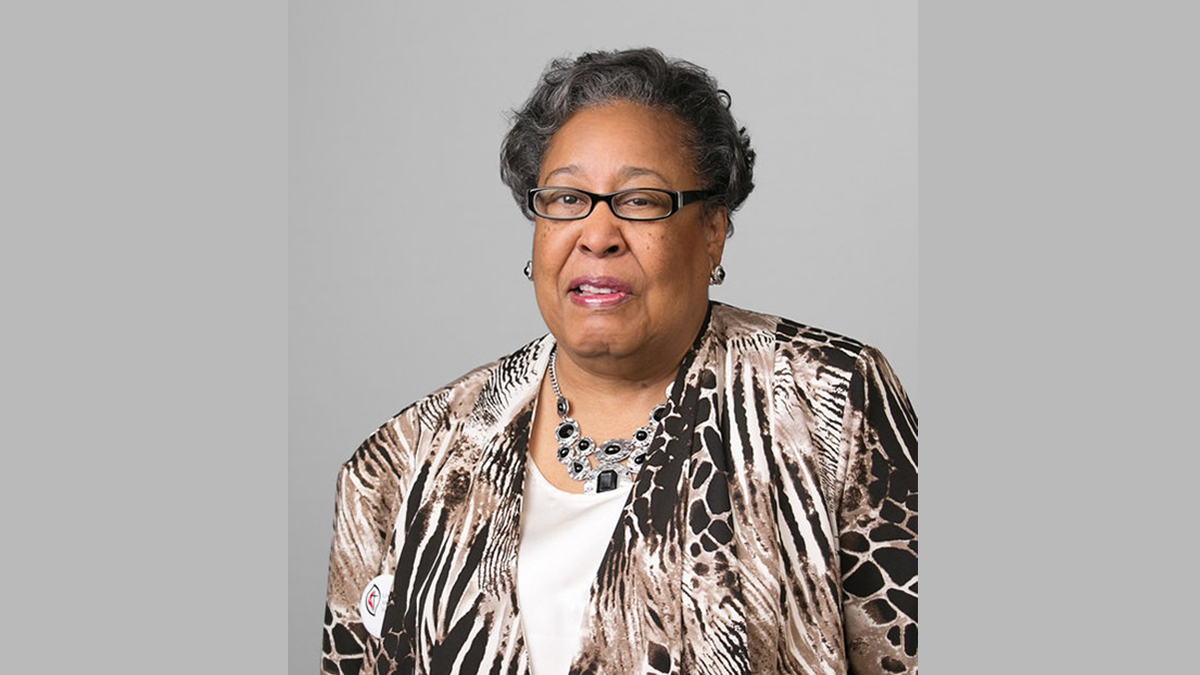
Stephanie Myers, Ph.D. is national co-chair of Black Women for Positive Change, a global organization dedicated to ‘Changing the Culture of Violence in America, and the World.’)