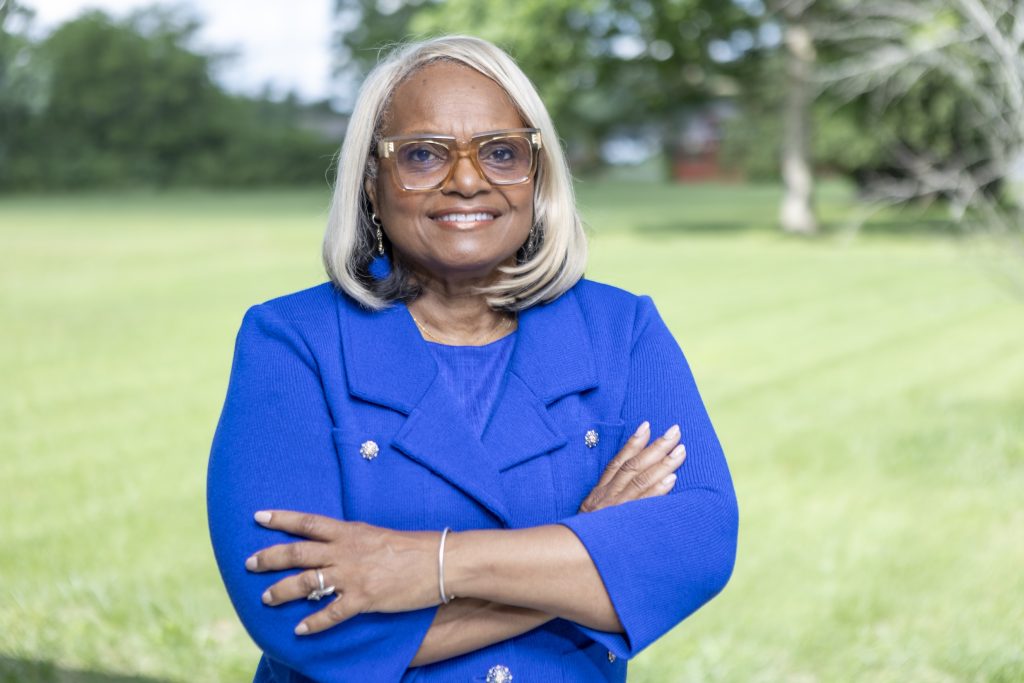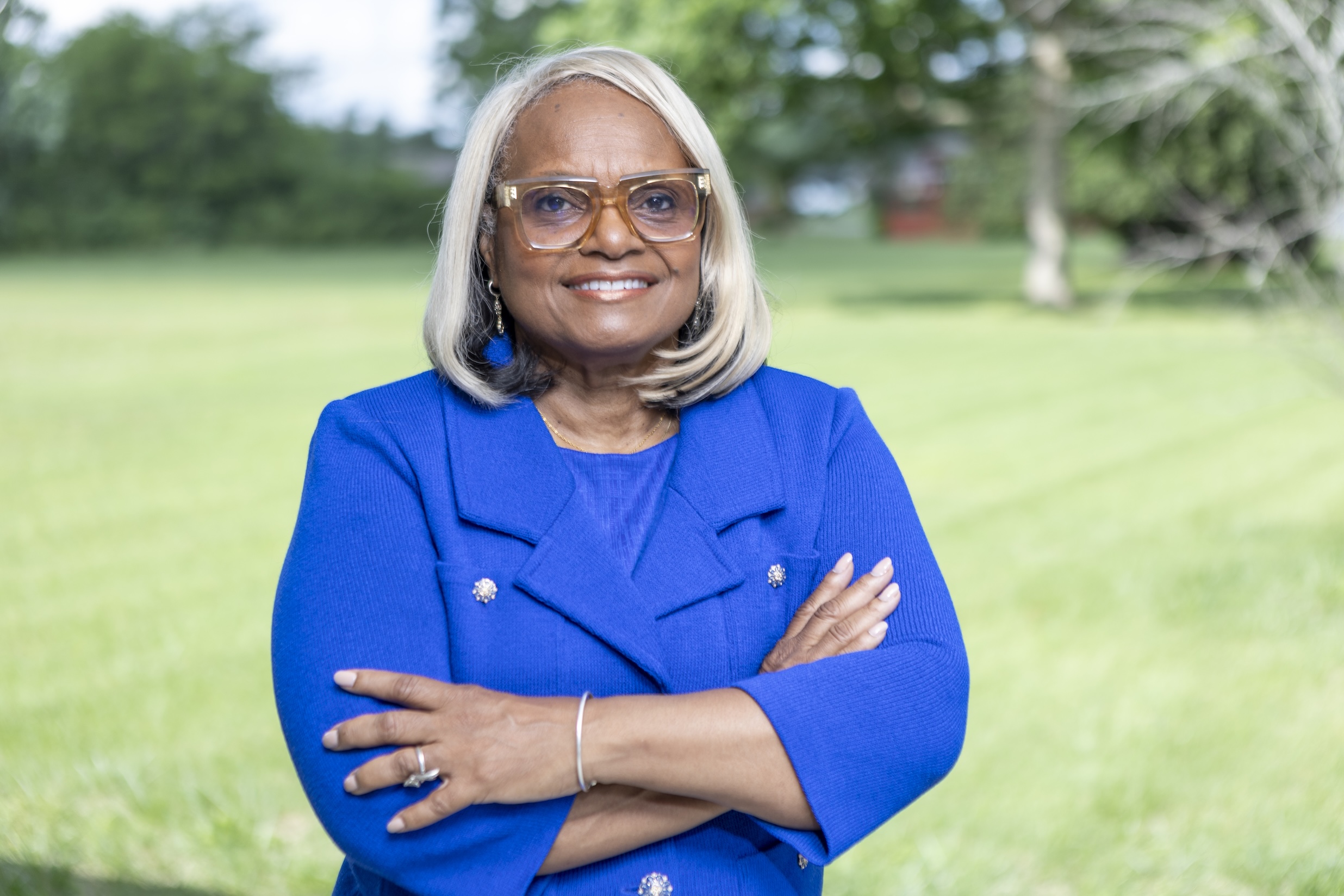

The National Association of Real Estate Brokers (NAREB) has issued an urgent ‘call to action’ to address Black homeownership, which has reached what NAREB President Dr. Courtney Johnson Rose describes as a “state of emergency.” According to the 2024 State of Housing in Black America (SHIBA) report, systemic barriers continue to inhibit Black Americans from building generational wealth through homeownership, which currently sits at a mere 45.7% compared to 74.3% for White households.
“The 2024 SHIBA report confirms that we are in a state of emergency with Black homeownership,” Dr. Rose said. “The SHIBA report underscores that there has been little progress in increasing Black homeownership. The past two years have been tough, but even before 2021, Black homeownership was either falling or stagnant and remains far from its pre-2004 high of nearly 50%.”

The report, meticulously compiled by James H. Carr and Michela Zonta, reveals how economic and institutional disparities affect Black households disproportionately. High mortgage rates implemented to curb inflation have taken a toll across the board. Mortgage originations have declined for Black millennials and Black female-headed households—two key demographics crucial tohomeownership. “When millennials slow their home purchases, it curtails opportunities for inter-generational wealth,” Dr. Rose said. “Their success determines the aggregate potential for future Black homeownership increases.”
The SHIBA report also highlights that Black mortgage applicants face more significant hurdles, experiencing higher denial rates and often being offered high-cost loans more frequently than White applicants. Black neighborhoods face consistent undervaluation in appraisals, a factor that undermines the potential wealth of Black families and limits the returns of homeownership.
“Improvements in employment prospects or minor wage increases are insufficient to narrow the Black-White racial wealth gap significantly,” Dr. Rose said. “The rise in the value of assets more significantly impacts the growth in household wealth than wage increases. Given that White households hold more valuable assets and enjoy a broader range of investments than Black households, the disparity in wealth between these two demographics is anticipated to continue to increase for the foreseeable future.”
In 2023, the report noted that applications and approvals for home loans decreased across all racial categories. Black applicants faced a mortgage denial rate over twice as high as their White counterparts. Applications from Black women, who have historically driven the largest share of Black home purchases, dropped significantly in 2023, reversing a promising trend seen over recent years.
NAREB calls for reform within the mortgage finance system and greater accountability in the appraisal process. “The U.S. housing finance system is in serious need of a major overhaul,” the SHIBA report asserts. Lower-income Black families are often faced with the highest mortgage rates, placing unnecessary financial strain on the most vulnerable.
Among the report’s notable findings, climate vulnerability was emphasized, with 21% of the Black population facing higher exposure to natural disasters like hurricanes and wildfires compared to 11% of White populations. This discrepancy further complicates Black homeownership prospects, as these environmental risks translate into added costs and barriers.
NAREB continues its push for equity through initiatives like the Building Black Wealth Tour and the NAREB Developers Academy, which aim to equip Black families with essential resources. Yet, Dr. Rose stresses that NAREB alone cannot address these issues. “This is a call to action,” she said. “There must be a united, multi-sector response that involves public, private, and non-profit entities implementing practices, policies, and regulations that can finally reverse the trend and boost Black homeownership.”
Dr. Rose’s said her message remains clear: “We need innovative ideas and leadership that can bring about change. Black homeownership must increase if America is to have fair and equitable communities.”