by Lisa Kelly
Sad as it sounds, the care-industry workers who provide essential and basic services to our communities’ most vulnerable members are often among the nation’s lowest-paid and are frequently victimized by wage theft.

Whether by a lack of understanding of federal regulations or by an unscrupulous employers’ design, wage violations are all-too-common in the care industry. Such practices harm workers who can least afford to get shortchanged. When employers violate wage laws, workers can be deprived of earned overtime, benefits and more. In the Southeast alone, the U.S. Department’s Wage and Hour Division recovered $4.1 million for more than 2,000 care workers in fiscal year 2024.
And that’s why the division is actively engaged in education and enforcement efforts to inform employers of their obligations, and educate and protect home care, residential care and nursing care workers of their rights and protections. We cannot ignore this problem, just as the people who care for family and friends cannot ignore them when that care is needed most.
As an aging nation, the need for dedicated care workers will continue to grow. We rely on them for their skills and abilities to show compassion and sometimes provide their clients’ basic needs. We depend on them as caregivers for the people about whom we care so we can meet our obligations to work or care for our lives and those of our other family members. The work they do helps support the foundation of our economy. Yet these workers sometimes struggle to find the peace of mind that comes with knowing they’re being paid fully for all the work they do. They deserve better, and we should demand they get it.
Learn more about upcoming compliance assistance events, request information, ask questions and get resources to understand the laws the division enforces by calling the division’s toll-free helpline at 866-4US-WAGE (487-9243). Free information on wages, hours and related protections is also available at <www.dol.gov/agencies/whd>. To speak with the division confidentially, workers (regardless of where they’re from) can speak with staff in more than 200 languages at 866-4US-WAGE.
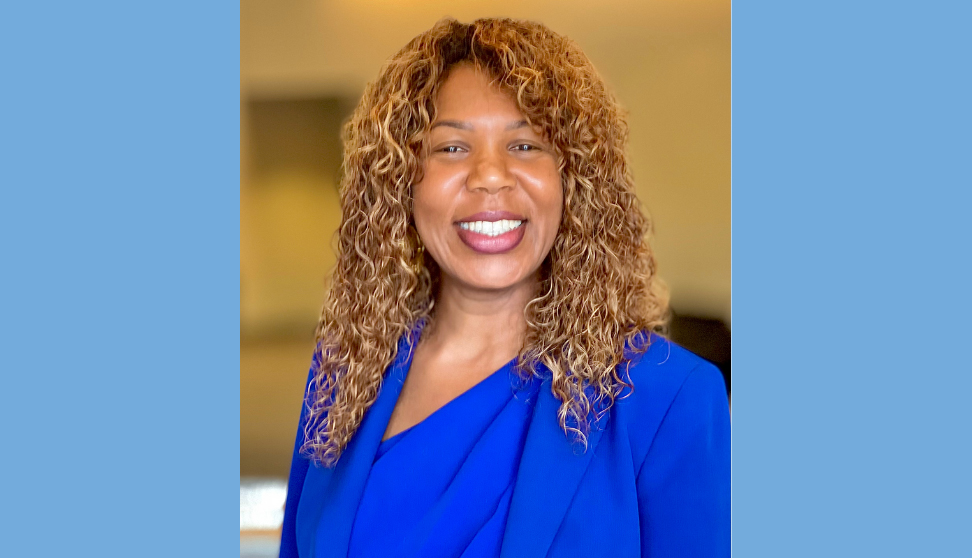
(Lisa Kelly is the Wage and Hour District director in Nashville, Tennessee for the U.S. Department of Labor.)