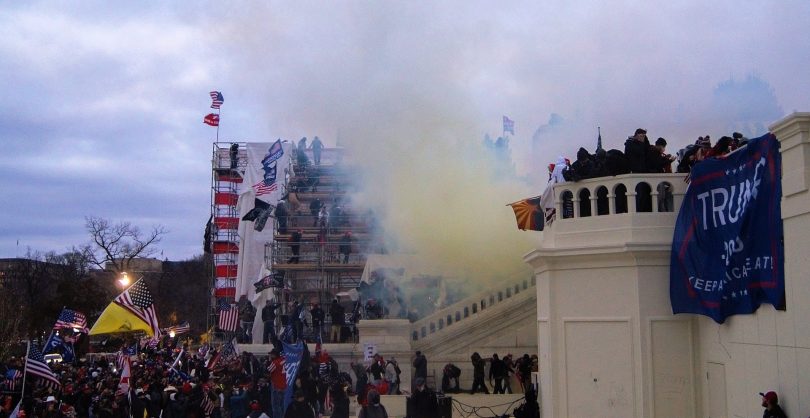
With just hours left in his tenure, President Joe Biden issued a series of preemptive pardons on Monday, aiming to shield numerous public servants from potential prosecutions threatened by President-elect Donald Trump. Among those pardoned were Dr. Anthony Fauci, former Joint Chiefs of Staff Chairman Mark Milley, and various members of the committee that investigated the Jan. 6, 2021, attack on the U.S. Capitol.
Biden’s action was directed towards individuals, including Capitol and D.C. Metropolitan police officers who testified before the committee, legislators such as Sen. Adam Schiff, Rep. Bennie Thompson and former Reps. Liz Cheney and Adam Kinzinger. The president cited the looming threats of politically motivated prosecutions as the driving force behind his decision, asserting that those pardoned “served our nation with honor and distinction and do not deserve to be the targets of unjustified and politically motivated prosecutions.”

In his statement, Biden highlighted Milley’s four-decade career, noting his leadership through “complex global security threats” and his role in strengthening U.S. alliances. Biden lauded Fauci for his critical contributions to managing public health crises including HIV/AIDS, Ebola, and COVID-19.
The preemptive pardons, described by Biden, aim to prevent the “baseless and politically motivated investigations” that could harm the reputations and finances of those targeted. “Even when individuals have done nothing wrong, and in fact have done the right thing, the mere fact of being investigated or prosecuted can irreparably damage reputations and finances,” Biden said.
General Milley said he was grateful. “After 43 years of faithful service in uniform to our nation, protecting and defending the Constitution, I do not wish to spend whatever remaining time the Lord grants me fighting those who unjustly might seek retribution for perceived slights,” Milley said.
Fauci also acknowledged the pardons. “There is absolutely no basis for these threats,” Fauci said. “I have committed no crime, and there are no possible grounds for any allegation or threat of criminal investigation or prosecution of me.”
The unprecedented use of presidential pardon power comes as Biden continues to express concern over what he perceives as potential abuses of power by his successor. As Trump assumes office, he has indicated plans to pardon many involved in the Jan. 6 attack, contrasting Biden’s protective measures for those who investigated it.
“I am eternally grateful to President Joe Biden, not just for this preemptive pardon, but for his leadership and service to this nation, especially over the last four years,” said Capitol Police Officer Harry Dunn. “I wish this pardon weren’t necessary, but unfortunately, the political climate we are in now has made the need for one somewhat of a reality.”