The Joint Center for Political and Economic Studies, widely known as America’s Black think tank, released an issue brief titled “Black Student Parents’ Access to Affordable Child Care Support at Community Colleges.” The 13-page brief examines the limited access to the federal Child Care Access Means Parents in School (CCAMPIS) program among community colleges with at least 40% Black enrollment. It offers legislative recommendations to strengthen the program, particularly as Congress considers reauthorizing the Higher Education Act.
Black college students are disproportionately parents. According to the report, 36% of Black community college students and 40% of Black women in college are raising children. Black single mothers make up 30% of all undergraduate single mothers, with nearly 70% being first-generation college students. Despite these numbers, community colleges with substantial Black student populations are underrepresented in the CCAMPIS program.

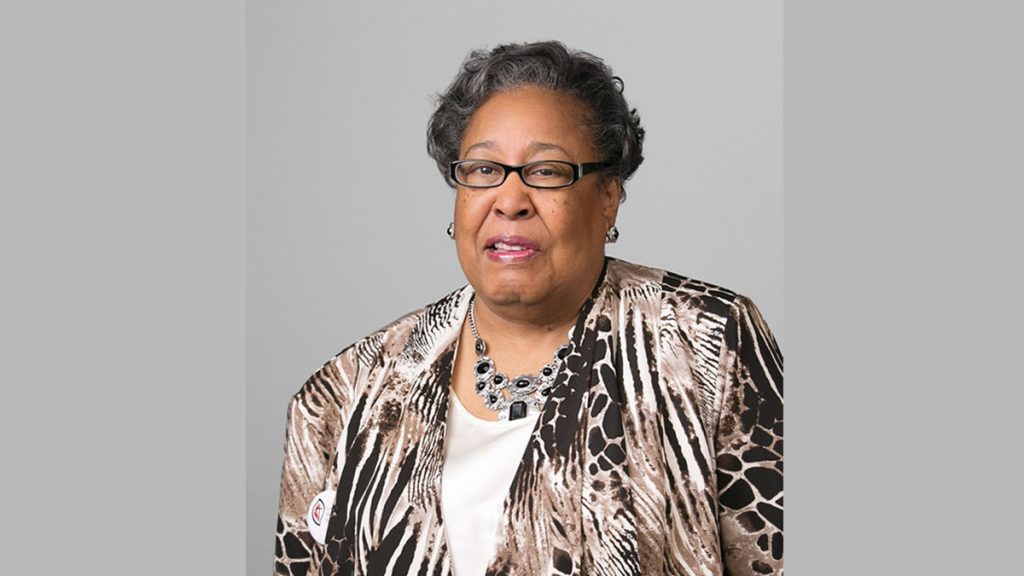
From 2017 to 2022, between five and seven percent of community college CCAMPIS recipients had at least 40% Black enrollment, far below the 13% of community colleges that meet this threshold nationally. “Receiving access to higher education can significantly increase income, skill development, and employment opportunities,” said Justin Nalley, co-author and senior policy analyst at the Joint Center. “But the costs of pursuing a degree and securing childcare remain particularly burdensome for Black student parents.”
The CCAMPIS program provides funding to colleges to subsidize childcare costs for Pell Grant-eligible students, support campus or community-based childcare, and offer student support services such as financial and career counseling. While federal appropriations for the program have grown from $15 million in 2017-18 to $75 million in 2023-24, the Joint Center recommends increasing that funding. The Senate Appropriations Committee has proposed an $80 million budget for the 2025–26 academic year, but some experts suggest that $250 million annually is necessary to meet demand fully.
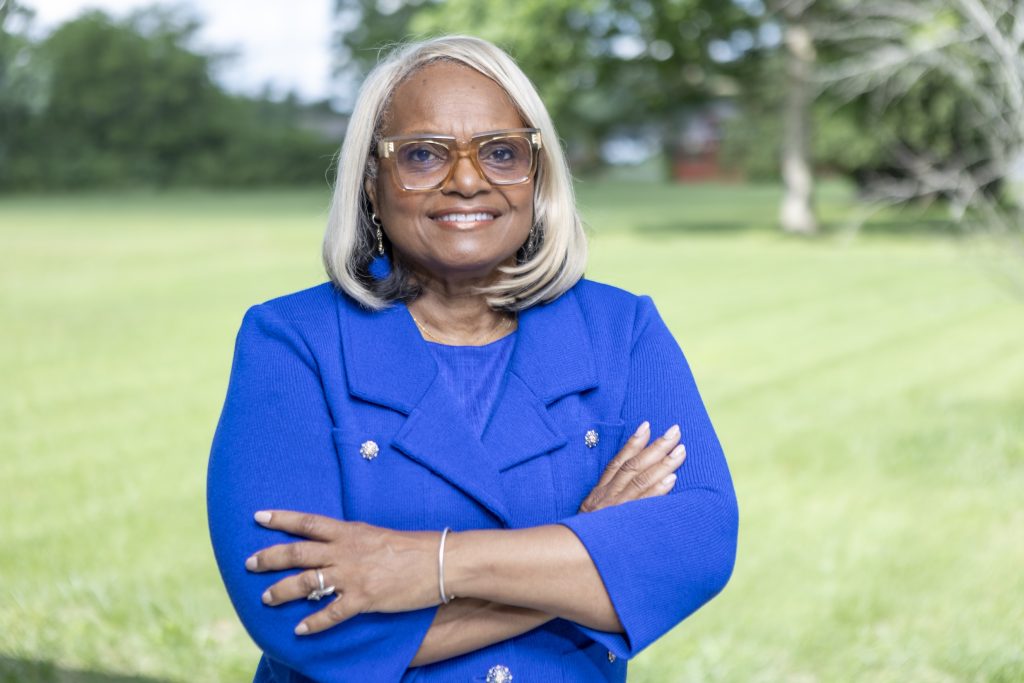
Dr. Gabrielle Smith Finnie, co-author and workforce policy analyst at the Joint Center, said the program can improve educational outcomes. “Black student parents account for 30% of undergraduate student parents, yet they represent only 15% of CCAMPIS participants,” she said. “Strengthening CCAMPIS can enhance retention and completion rates for Black student parents and contribute to overall economic growth.”
The report’s policy recommendations include increasing CCAMPIS appropriations to cover out-of-pocket childcare costs fully, collecting comprehensive data on students’ parenting status, and publicly releasing racially disaggregated performance reports. Another proposal calls for an equity analysis of CCAMPIS awardees to ensure fair distribution of grants to community colleges serving significant Black student populations.
Financial hurdles remain steep. Black student parents borrow an average of $18,100 for college, compared to $13,500 among all students. With median household incomes for Black community college students at $29,021 (less than half that of White students) many parents are forced to choose between education and supporting their families. “On average, a student parent must work 30 to 90 hours a week to cover tuition and childcare costs at public colleges,” Nalley said.
The issue brief also highlights declining access to on-campus childcare, which dropped from 58% of public community colleges in 2004 to 41% in 2019. Without affordable options, Black student parents (particularly fathers, 67% of whom attend schools without on-campus childcare) face added challenges.
As Congress considers reauthorizing the Higher Education Act, advocates stress that now is the time to act. “Improving CCAMPIS is essential for ensuring Black student parents are not left behind,” Finnie said. “These investments in education and childcare are investments in our economy and our future.”
For more information, visit the Joint Center’s website at <jointcenter.org>.