by April Ryan
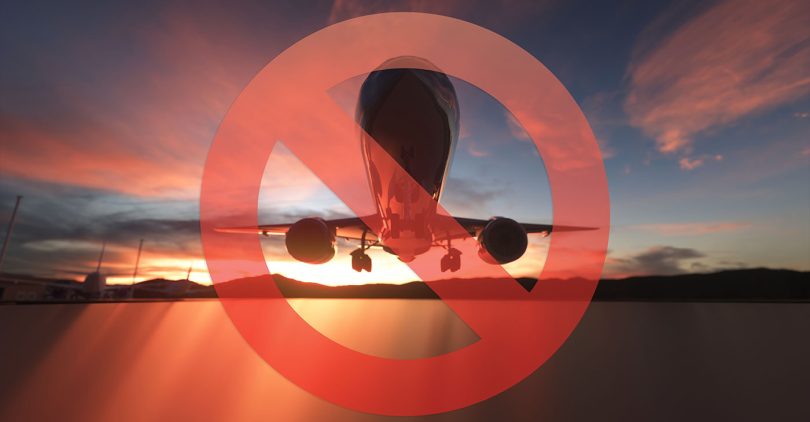
“Another shameful moment for our nation’s foreign policy” is what ranking member of the House Foreign Affairs Committee Greg Meeks calls President Trump’s latest travel ban on 12 countries. President Trump reinstated his first-time travel ban based on national security concerns. Beginning June 9, 2025, citizens of the designated countries are banned from entering the United States.

The entry bans citizens from the following countries: Afghanistan, Myanmar, Chad, Republic of the Congo, Equatorial Guinea, Eritrea, Haiti, Iran, Libya, Somalia, Sudan, and Yemen.
The 12 countries on the travel ban list comprise seven African nations and one Caribbean nation. This ban will impact commerce and possibly diplomatic relations with these countries. Rep. Meeks said: “Trump’s travel ban is discriminatory from the ground up, and ultimately self-defeating. It even betrays our Afghan allies who supported U.S. troops over our 20-year war and were waiting for their visas to enter the United States.” President Trump also signed a ban on international students attending Harvard University, a school he has been battling with over issues such as anti-semitism on campus and discrimination against White, Asian, male, and straight individuals. The Trump administration is also concerned with China’s foreign influence and perceived ‘woke’ ideology. Chioma Chookwoo of American Oversight said: “A quarter of Harvard’s student population is international.”
The latest travel ban has far-reaching implications for higher education in the United States. North Carolina Democratic Rep. Alma Adams told Black Press U.S.A.: “Nationwide, we have more than one million international students who contribute $50 billion to the U.S. economy each year.” In Adam’s home district, she says the University of North Carolina at Charlotte” has 2,000 international students from nearly 100 countries.” The congresswoman, who also is a member of the House Committee on Education, said: “These students are coming to our country to better their education and consistently give more than they receive. Between this latest travel ban, the freeze on student visa processing, and other chilling actions to deter international students, the Trump administration is creating a self-inflicted brain drain that further damages our economy and undermines U.S. influence and soft power.”