Target is grappling with worsening financial and reputational fallout as the national selective buying and public education program launched by the Black Press of America and other national and local leaders continue to erode the retailer’s sales and foot traffic. But a recent meeting that the retailer intended to keep quiet between CEO Brian Cornell and members of the Congressional Black Caucus Diversity Task Force was publicly reported after the Black Press discovered the session, and the CBC later put Target on blast.
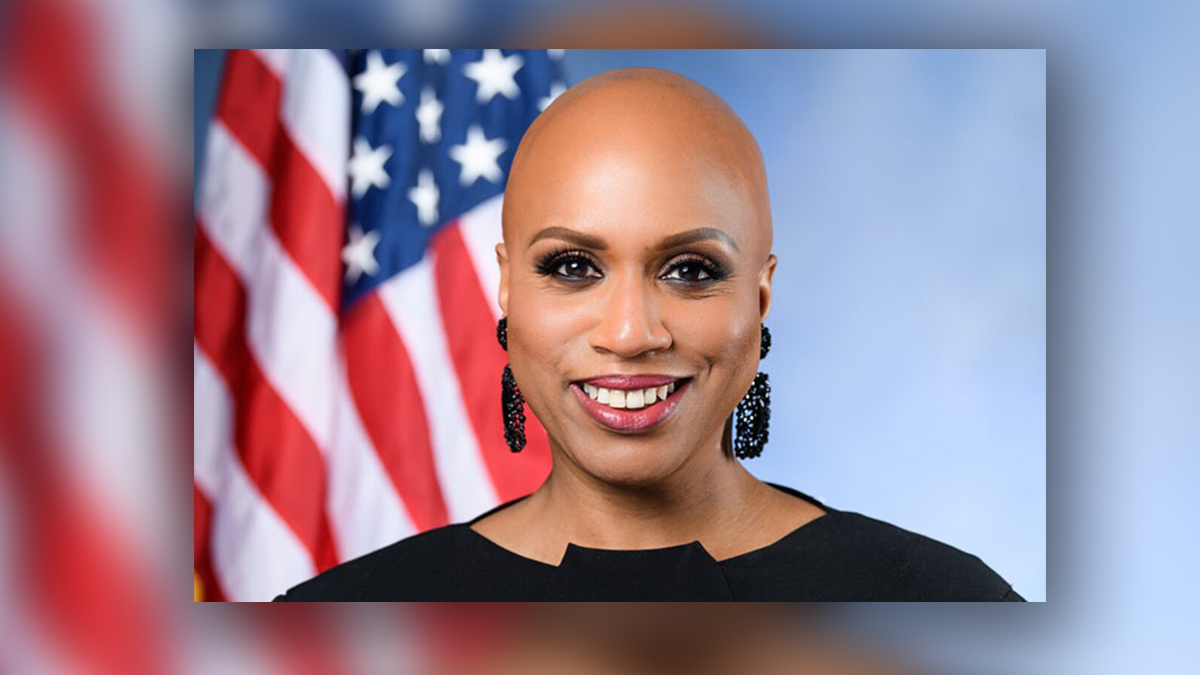
“The Congressional Black Caucus met with the leadership of the Target Corporation on Capitol Hill to directly address deep concerns about the impact of the company’s unconscionable decision to end a number of its diversity, equity, and inclusion efforts,” CBC Chair Yvette Clarke said. “Like many of the coalition leaders and partner organizations that have chosen to boycott their stores across the country, we found that the explanations offered by the leadership of the Target Corporation fell woefully short of what our communities deserve and of the values of inclusion that Target once touted. Black consumers contribute overwhelmingly to our economy and the Target Corporation’s bottom line. Our communities deserve to shop at businesses that publicly share our values without sacrificing our dignity. It is no longer acceptable to deliver promises to our communities in private without also demonstrating those values publicly.”
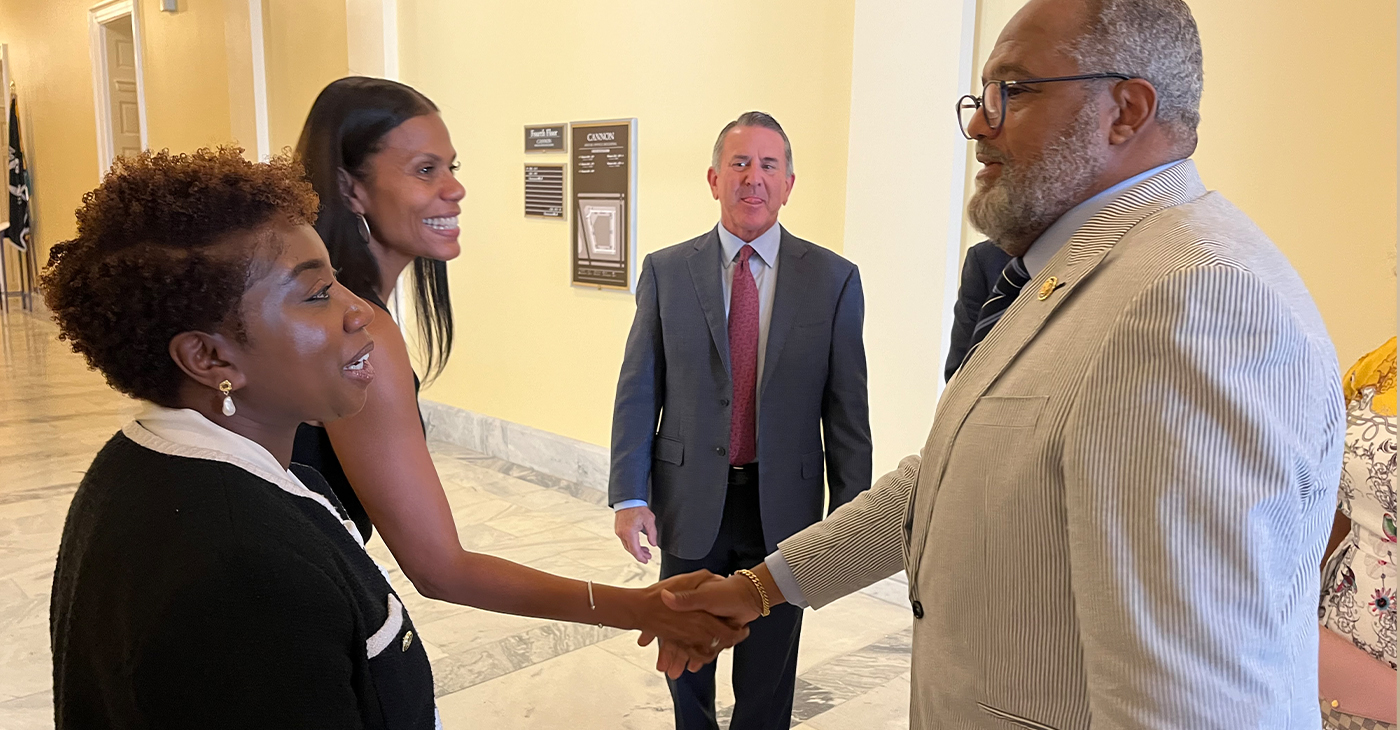
Lauren Burke, Capitol Hill correspondent for Black Press of America, was present when Target CEO Cornell and a contingent of Target officials arrived at the U.S. Capitol last month. “It’s always helpful to have meetings like this and get some candid feedback and continue to evolve our thinking,” Cornell told Burke as he exited the meeting and walked down a long hallway in the Cannon House Office Building. “We look forward to follow-up conversations,” he said. When asked if the issue of the ongoing boycott was discussed, Cornell’s response was, “That was not a big area of focus. We’re focused on running a great business each and every day. Take care of our teams. Take care of the guests who shop with us and do the right things in our communities.”
A national public education campaign on Target, spearheaded by Dr. Benjamin F. Chavis, Jr., president/CEO of the National Newspaper Publishers Association (NNPA), the NNPA’s board of directors, and with other national African American leaders, has combined consumer education efforts with a call for selective buying. The NNPA is a trade association that represents the more than 220 African American-owned newspapers and media companies known as the Black Press of America, the voice of 50 million African Americans across the nation. The coalition has requested that Target restore and expand its stated commitment to do business with local community-owned businesses inclusive of the Black Press of America, and to significantly increase investment in Black-owned businesses and media, Historically Black Colleges and Universities (HBCU), Black-owned Banks, national Black Church denominations, and grassroots and local organizations committed to improving the quality of life of all Americans, and especially those from underserved communities. According to Target’s latest earnings report, net sales for the first quarter of 2025 fell 2.8% to $23.85 billion compared to the same period last year. Comparable store sales dropped 3.8%, and in-store foot traffic slid 5.7%.
Shares of Target have also struggled under the pressure. The company’s stock traded around $103.85 early Wednesday afternoon, down significantly from roughly $145 before the controversy escalated. Analysts note that Target has lost more than $12 billion in market value since the beginning of the year. “We will continue to inform and to mobilize Black consumers in every state in the United States,” Chavis said. “Target today has a profound opportunity to respond with respect and restorative commitment.”