Tennessee officials have announced a partnership with Elon Musk’s the Boring Company to construct a privately funded underground transportation tunnel linking downtown Nashville to the Nashville International Airport (BNA). The proposed ‘Music City Loop’ would span approximately 10 miles beneath Murfreesboro Pike, aiming to reduce surface road congestion and improve commute times between the city center and the airport.
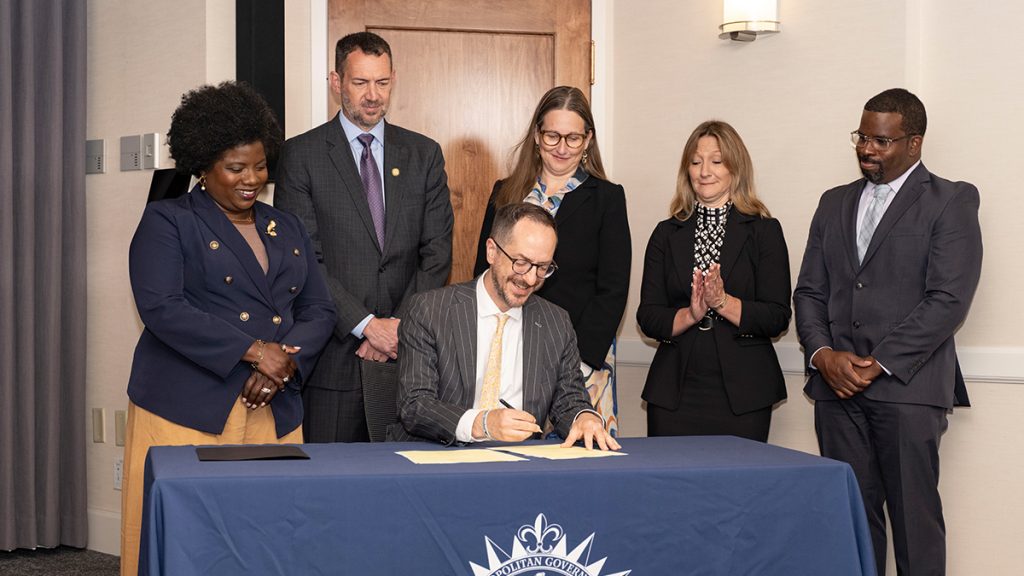
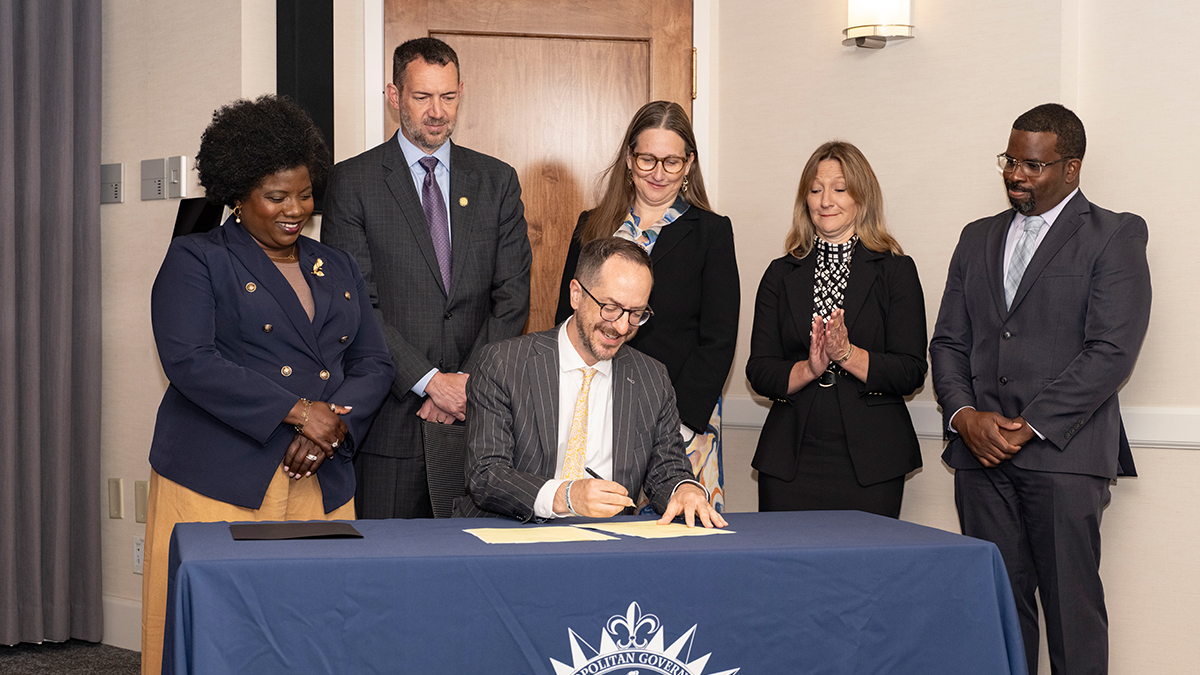
Gov. Bill Lee, joined by officials from the Tennessee Department of Transportation (TDOT), the Nashville International Airport Authority, and business leaders unveiled the plan during a press conference held at BNA on July 28. According to project organizers, the tunnel will be exclusively used by electric vehicles manufactured by Tesla, another Musk-affiliated company.

“This is a forward-thinking project designed to relieve traffic and expand mobility,” said Gov. Lee. “It’s 100% privately funded, meaning there’s no cost to Tennessee taxpayers.”
The project is expected to begin construction this year and could be operational as early as fall 2026. Boring Company CEO Steve Davis said the commute via the tunnel would take eight to ten minutes and operate without disrupting surface streets. The company emphasized that its tunneling method creates minimal noise or vibration and that no road closures are expected.
The launch point for tunnel boring would be a state-owned parking lot near the State Capitol. The Tennessee State Building Commission is reviewing a proposed no-cost lease of about one acre at 637 Rosa Parks Blvd. to the Boring Company through March 2027. State officials said the site was underutilized and identified as suitable for temporary use.
Some state lawmakers have raised questions about the project’s scope, transparency, and long-term impact. Critics argue that public transportation options serving a broader portion of the population may offer a more inclusive solution. They also note that the project does not currently include plans for fare structures, accessibility, or integration with other transit systems.
“The proposal certainly raises questions about public benefit, infrastructure priorities, and the decision-making process,” said Nashville Mayor Freddie O’Connell, who was not present at the announcement. “We look forward to learning more about how this project will impact Metro operations and residents.”
Democratic legislators, including Sen. Heidi Campbell and Rep. Aftyn Behn, expressed concerns that the project focuses on private use and may not adequately address the city’s broader transportation needs. “With more than 20 million travelers moving through BNA annually, public transit options should remain a priority,” Campbell said.
Supporters of the project highlight the state’s $40 billion transportation backlog and say innovative private partnerships could play a role in helping modernize infrastructure without raising taxes or reallocating state funds. Officials also pointed to recent federal recognitions, including a TSA Gold Standard Award for safety, as indications of the project’s viability.
U.S. Department of Transportation Secretary Sean Duffy voiced support for the project, noting that it would undergo necessary permitting and oversight. “This is about innovation and addressing transportation challenges in ways that are efficient and future-focused,” Duffy said.
While a detailed cost breakdown for the project has not been released, state officials reiterated that the Boring Company will bear all financial responsibility. The exact tunnel path has not yet been finalized but is expected to follow major state routes.
The Boring Company has completed three tunnel systems in Las Vegas, including the Vegas Loop and Convention Center Loop, with mixed public reception. The Las Vegas Convention Center Loop, a 1.7-mile tunnel, cost approximately $47 million and operates using Tesla vehicles.
In Tennessee, the Music City Loop marks the state’s first formal collaboration with Musk’s tunneling venture. The Boring Company states that its mission is to reduce urban congestion through layered, underground transportation systems.
The announcement comes as Nashville continues to grapple with transit planning challenges. A previous large-scale public transit proposal, including a tunnel and light rail system put forth by former Mayor Megan Barry in 2017, was rejected by voters. That plan, which included a $900 million tunnel segment, failed to gain public support in a city divided on how best to address long-term mobility.
As planning and construction move forward, state officials say there will be opportunities for public input. Additional stops beyond the downtown-to-airport corridor may be added if the initial route proves successful.
For now, questions remain about the future of public infrastructure partnerships in Tennessee—and what role private companies will play in shaping the state’s transportation landscape.