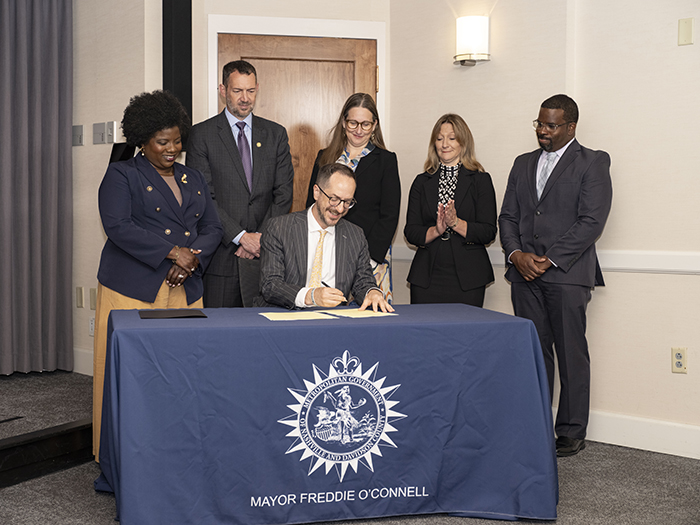
The Metro Council has approved Mayor Freddie O’Connell’s Fiscal Year 2027 operating budget, a spending plan city leaders say makes historic investments in affordable housing, lowers the local grocery tax and continues support for public schools and Metro employees.
The budget, which takes effect July 1, was approved overwhelmingly by the Council and includes what city officials describe as the largest local investment in affordable housing in Nashville’s history. It also reduces the local sales tax on groceries by 22%, a move supporters say will provide relief to residents facing rising costs.
“More housing, better schools, higher employee pay, and tightening our spending in recognition of slowing growth all make a statement about our values,” O’Connell said following the vote. “This budget puts the most money toward our biggest challenge, affordability, by making the largest investment in affordable housing in our city’s history and by putting money back into the pockets of our people through a 22% cut to the local grocery tax.”
The grocery tax reduction is expected to return approximately $9 million to Nashville residents annually. O’Connell said the measure recognizes the financial strain many families continue to experience as inflation drives up the cost of everyday necessities.
“Lowering the grocery tax lets Nashvillians keep some of their hard-earned pay because feeding your family shouldn’t be a luxury,” he said.
Housing remains a central focus of the budget. City officials say Nashville’s affordability challenges are driven largely by rising housing costs, and the FY2027 spending plan significantly expands resources dedicated to addressing the issue.
The budget includes the largest General Fund investment ever made in the Barnes Affordable Housing Trust Fund, a program designed to create and preserve housing for residents with the greatest financial need, including those earning 30% or less of the area’s median income.
In addition, the budget establishes a new Affordable Housing Loan Program aimed at supporting housing developments serving households earning approximately 60% of the area median income. City leaders say the revolving loan program will help fill financing gaps for affordable housing projects while allowing loan repayments to be reinvested in future developments.
The administration also plans to continue funding housing initiatives such as Eviction Right to Counsel, permanent supportive housing, rapid rehousing, home-sharing programs and other anti-displacement efforts.
According to Metro officials, Nashville has created or preserved more than 3,000 affordable housing units since launching its Unified Housing Strategy roughly 16 months ago.
The budget also continues support for Metro Nashville Public Schools. City leaders said the spending plan helps fund teacher pay increases and supports the implementation of new school start times.
Metro employees will also receive salary increases through the full funding of the pay plan approved by the Civil Service Commission. Most employees are expected to receive an average total pay increase of 3.7% through a combination of across-the-board raises and merit increases. The minimum hourly wage for full-time entry-level Metro employees will increase to $22.50 per hour.
Additional investments include a $250,000 increase for the Metro Public Health Department’s Nashville Strong Babies program, which provides support services to families from pregnancy through a child’s first 18 months of life. The funding will help expand the program’s doula services, which are now available countywide.
The budget also continues support for mental and behavioral health services through Metro’s partnership with the Mental Health Cooperative, including crisis response programs such as REACH and Partners-in-Care.
City officials noted that the budget was developed amid slowing revenue growth and broader economic uncertainty. As a result, the spending plan includes measures aimed at maintaining healthy reserves and protecting Metro’s financial stability while continuing to fund essential services.
O’Connell thanked Council members, Vice Mayor Angie Henderson, Budget and Finance Committee Chair Delishia Porterfield Toombs and residents who participated in the budget process.
“This budget makes clear that this city is for all of us,” O’Connell said. “It supports our work to build a city where everyone belongs, can afford to live, and can find opportunity to grow.”