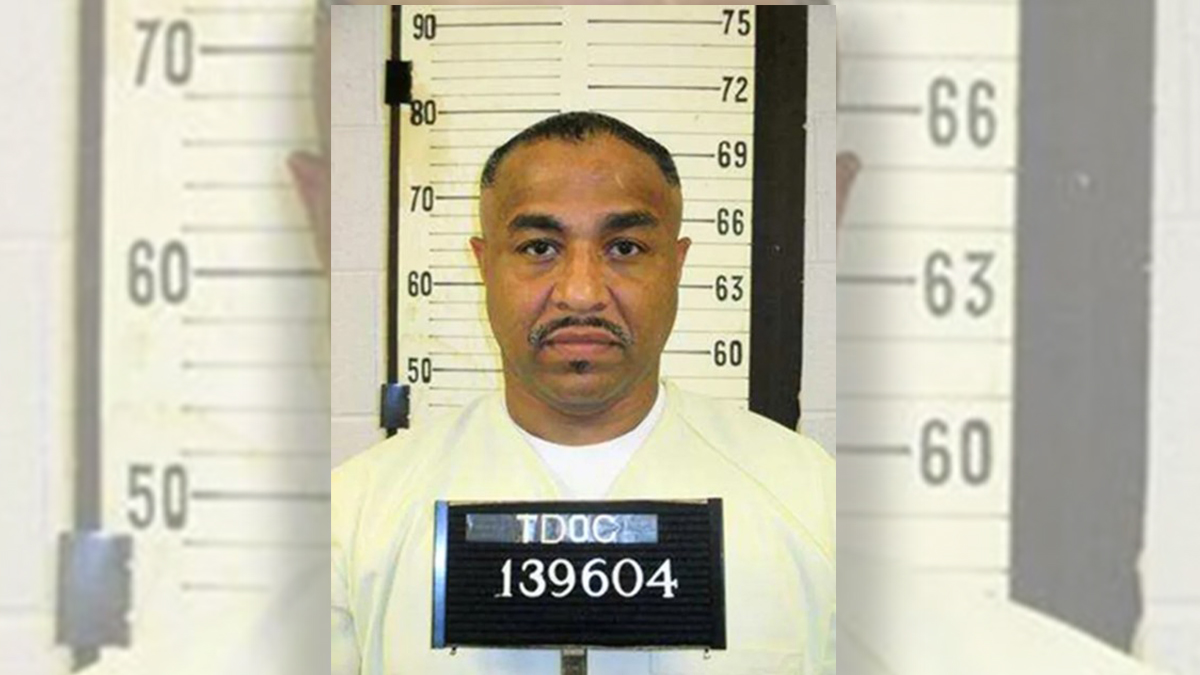
Death row inmate Tony Carruthers received a temporary reprieve from execution after what attorneys and witnesses described as a botched execution attempt inside a Tennessee prison, intensifying national scrutiny over his conviction and renewed questions about whether the state has fully examined evidence that could point to another suspect.
Carruthers, who was scheduled to be executed May 21, was granted a one-year reprieve by Tennessee Gov. Bill Lee after prison officials reportedly spent more than an hour attempting to establish intravenous access for the lethal injection procedure. Legal witnesses said Carruthers groaned in pain during the process before the execution was ultimately halted.

The case has drawn growing attention from innocence advocates, civil rights groups and former death row inmates who argue Tennessee should not proceed with an execution while key fingerprint and DNA evidence remains untested.
Carruthers was convicted in Shelby County in the 1994 kidnapping and killings of Marcellos Anderson, Delois Anderson and Frederick Tucker. Supporters maintain there has never been physical evidence directly tying him to the crime scene.
According to filings from the American Civil Liberties Union, investigators recovered fingerprints and DNA evidence from the crime scene that did not match Carruthers. Attorneys are seeking permission to compare that evidence to another suspect identified years later by Carruthers’ co-defendant, who stated in 2011 that Carruthers was not involved in the killings.
Maria DeLiberato, senior counsel for the ACLU’s Capital Punishment Project, called the failed execution attempt “barbaric” and said the state should fully test the remaining evidence before carrying out any execution.
The case has also sparked criticism over Carruthers representing himself during portions of his capital murder trial after repeated conflicts with court-appointed attorneys. His legal team argues severe mental illness and procedural errors contributed to an unfair trial.
More than 130,000 people have reportedly signed petitions calling for Carruthers’ execution to be halted while additional forensic testing is conducted.
“Before the state carries out an irreversible punishment, it must answer the most basic question: did they get the right person,” said DeLiberato. “There is no justification for barreling toward an execution while DNA evidence that could prove who really committed this crime remains untested.”