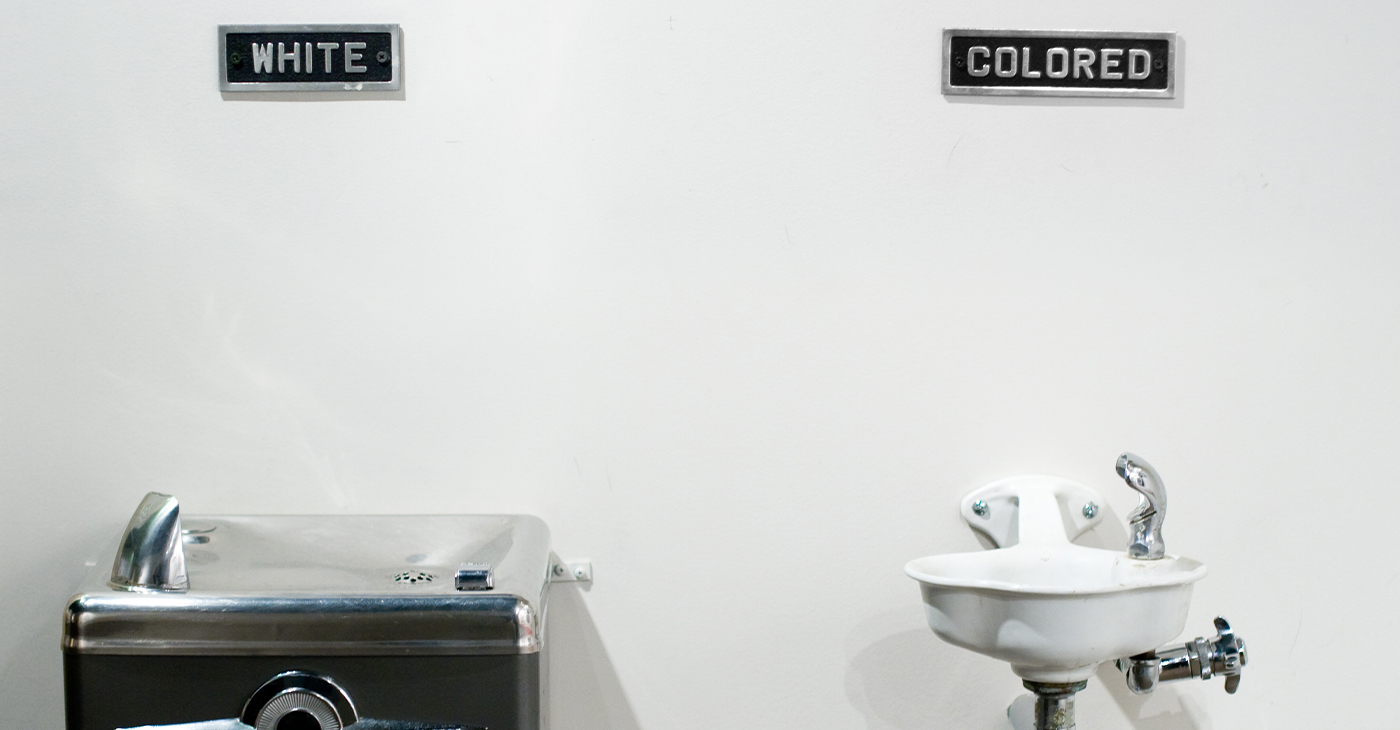
NEW YORK (AP) — ‘No dogs, no Negros, no Mexicans’; ‘Colored served in rear’; ‘For Whites only’
It’s the type of signage that hung from the doors and windows of establishments across much of the American South for many years.

The words, like screaming headlines from Page One of a broadsheet newspaper, were the most visible, daily reminder of the subordinate status of Black people who lived life alongside and yet separate from people who, regardless of class, were considered White.
After the Civil War, and upon the collapse of Reconstruction, the Jim Crow system of public etiquette and laws regulated the free movement of both Black and White people for generations until the civil rights movement began chipping away at legalized racial discrimination.
The Jim Crow system was under girded by beliefs that formerly enslaved Black people and their descendants were inferior to White people in fundamental ways, including intelligence, morality and behavior. Allowing White and Black people to coexist as equals, the system’s supporters believed, might encourage interracial sexual relations and spur the rise of an abominable race that would destroy the racial purity of the nation’s superior White populace.
Spatial segregation first was culturally accepted, then enforced violently or through threat of re-enslavement via incarceration. After the 1896 Supreme Court decision Plessy v. Ferguson established the ‘separate but equal’ doctrine, Jim Crow segregation signs were more statutory than strongly worded warnings.
Ritualized humiliation became constitutional subjugation. Railway cars, buses, water fountains, restrooms, hotels, lunch counters and swimming pools were among a long list of the public facilities segregated by signage. Black people were forced to use substandard facilities. Schools, churches and cemeteries had long been racially divided. By design, it kept many Black men away from White women and stripped Black people of their dignity, sense of citizenship and social and political belonging.
The Civil Rights Act of 1964 ended legalized racial separatism, although many in the American South resisted desegregation after signs were pulled down and placed into museums. Steven Reich, a history professor and author of an encyclopedia on the Jim Crow era, says one lasting impact of legalized segregation remains evident in the modern American workforce.
Segregation divided the working class and compelled White workers to identify more with their employers than with their Black co-workers, Reich says. That continues to stifle opportunities for Black and White workers to organize and work together on common issues, including diversity and inclusion.
(Aaron Morrison writes for the Associated Press. This story was featured in the Los Angeles Wave, an NNPA member publisher, and is part of a recurring series, ‘American Objects,’ marking the 250th anniversary of the United States.)