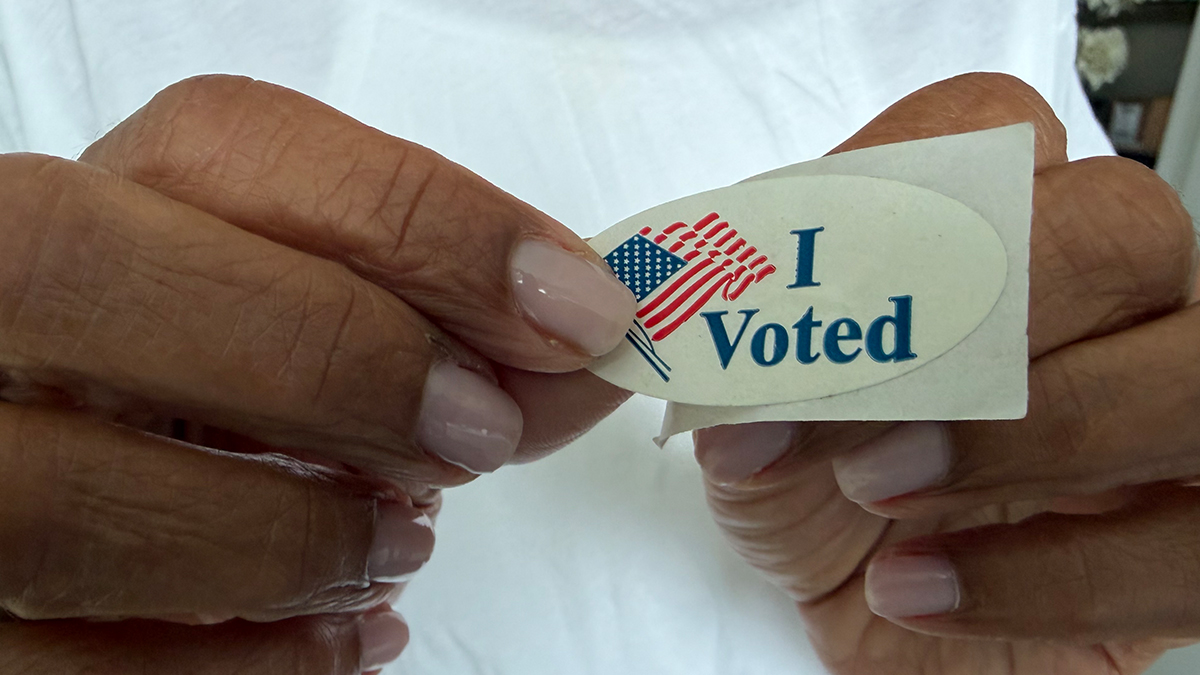
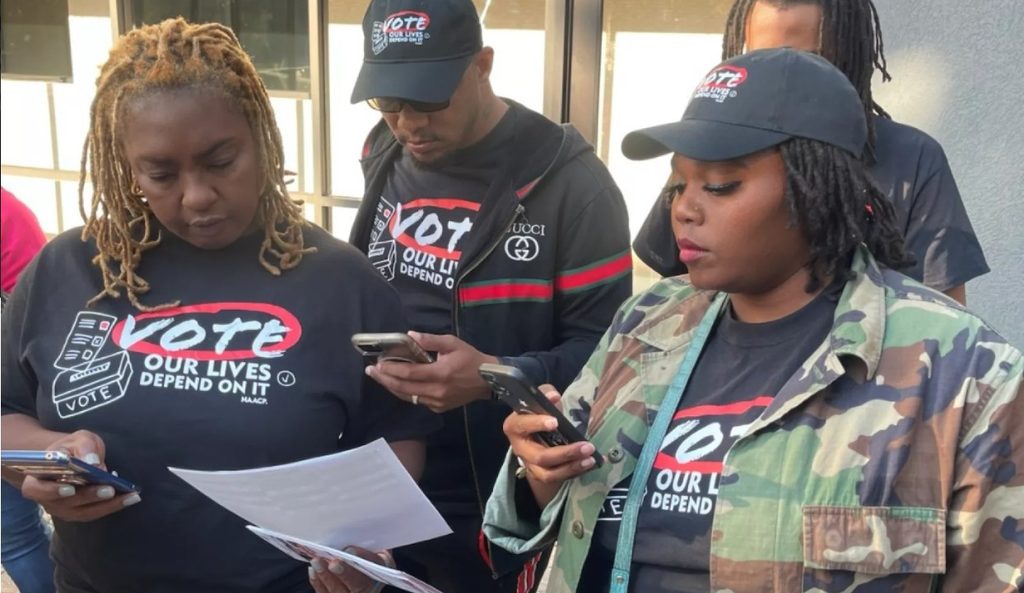
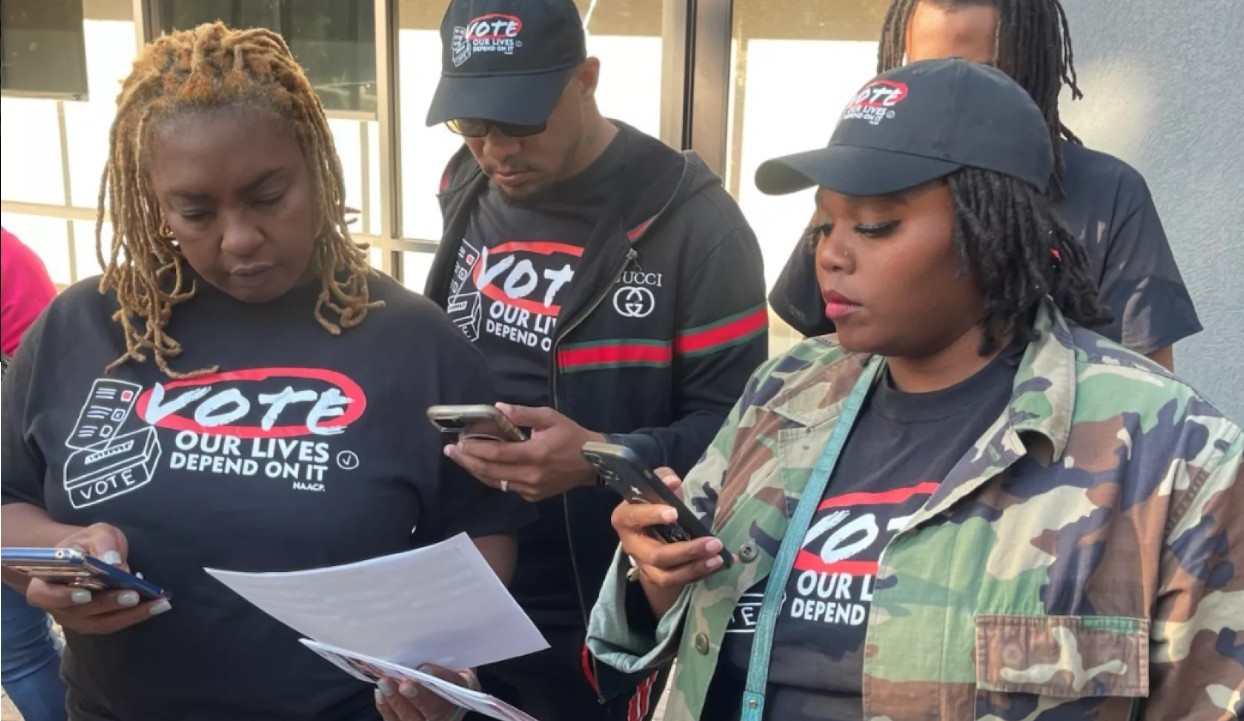
WASHINGTON, D.C. — The NAACP announced July 6 that it will invest $20 million in a nationwide voter mobilization effort ahead of the November 2026 midterm elections, calling it the largest Get Out The Vote (GOTV) campaign the organization has ever undertaken during a midterm election cycle.
The campaign, announced as the nation marks the 250th anniversary of the signing of the Declaration of Independence, will be conducted in partnership with GSSA and is designed to recruit 20,000 volunteers and mobilize an estimated 6.5 million Black voters across 14 states and 33 congressional districts.
NAACP leaders said the initiative reflects what they view as growing challenges to voting rights and increased political engagement leading into the midterm elections.
“At a time when voting rights, civil liberties, immigrant communities, and historically marginalized communities continue to face attacks, this anniversary marks an opportunity to come together and fight for a future that serves all people—a future rooted in justice, democracy, dignity, and our shared humanity,” said Dominik Whitehead, the NAACP’s chief of field, membership growth and unit sustainability.
Whitehead also criticized the Trump administration’s election policies, saying the organization believes recent actions have threatened constitutional protections and voting access. He called the November election an opportunity for voters to shape the nation’s future.
The NAACP said it began laying the groundwork for the campaign more than a year ago by hosting voter engagement town halls in states including Texas, California, North Carolina, New Jersey, Ohio, Georgia, Arizona, Wisconsin, New York and Maryland.
The civil rights organization has also remained active in the courts, filing or joining multiple lawsuits challenging election-related actions by the Trump administration and several states. According to the NAACP, those legal efforts have included challenges to executive orders affecting elections and lawsuits involving congressional and legislative redistricting in states including Tennessee, Missouri and Texas.
The organization also highlighted a recent federal court ruling that blocked the U.S. Postal Service from implementing portions of a Trump administration executive order related to mail voting. In addition, the NAACP said it successfully defended California in litigation involving requests for voter information by the U.S. Department of Justice and has participated in election-related legal proceedings in Georgia, Utah and Michigan.
NAACP President/CEO Derrick Johnson said the organization’s investment reflects what it considers a pivotal moment for American democracy.
“By turning out the vote, we can all help put an end to Donald Trump’s assaults on our communities and the rights we’ve secured through immense struggle, and begin to build a future that actually serves our needs—from having accessible healthcare, affordable housing, and getting a good education,” Johnson said.
“We’re launching this campaign on our nation’s 250th anniversary (and investing more than we’ve ever invested in a midterm cycle) because this is a pivotal moment for our democracy. The future of this country needs to finally serve the people, and not the wealthy at the top who couldn’t care less about those who actually built this nation with blood, sweat, and tears.”
Beyond the 2026 elections, the NAACP said it plans to continue advocating for policies that promote expanded access to healthcare, quality education, environmental protections, economic opportunity and voting rights. The organization is also participating in the Next250 coalition, a national initiative that seeks to encourage civic engagement and public discussion during the nation’s 250th anniversary. Whitehead joined coalition members during a June 27 rally in Washington.
Founded in 1909, the NAACP is the nation’s oldest and largest civil rights organization. The group said its latest voter mobilization effort is intended to increase voter participation while continuing its legal and legislative advocacy on issues affecting Black communities and other historically underrepresented voters ahead of the 2026 midterm elections.