by Bill Dorian
I was born and raised in Nashville. For most of my life, I never imagined living anywhere else.

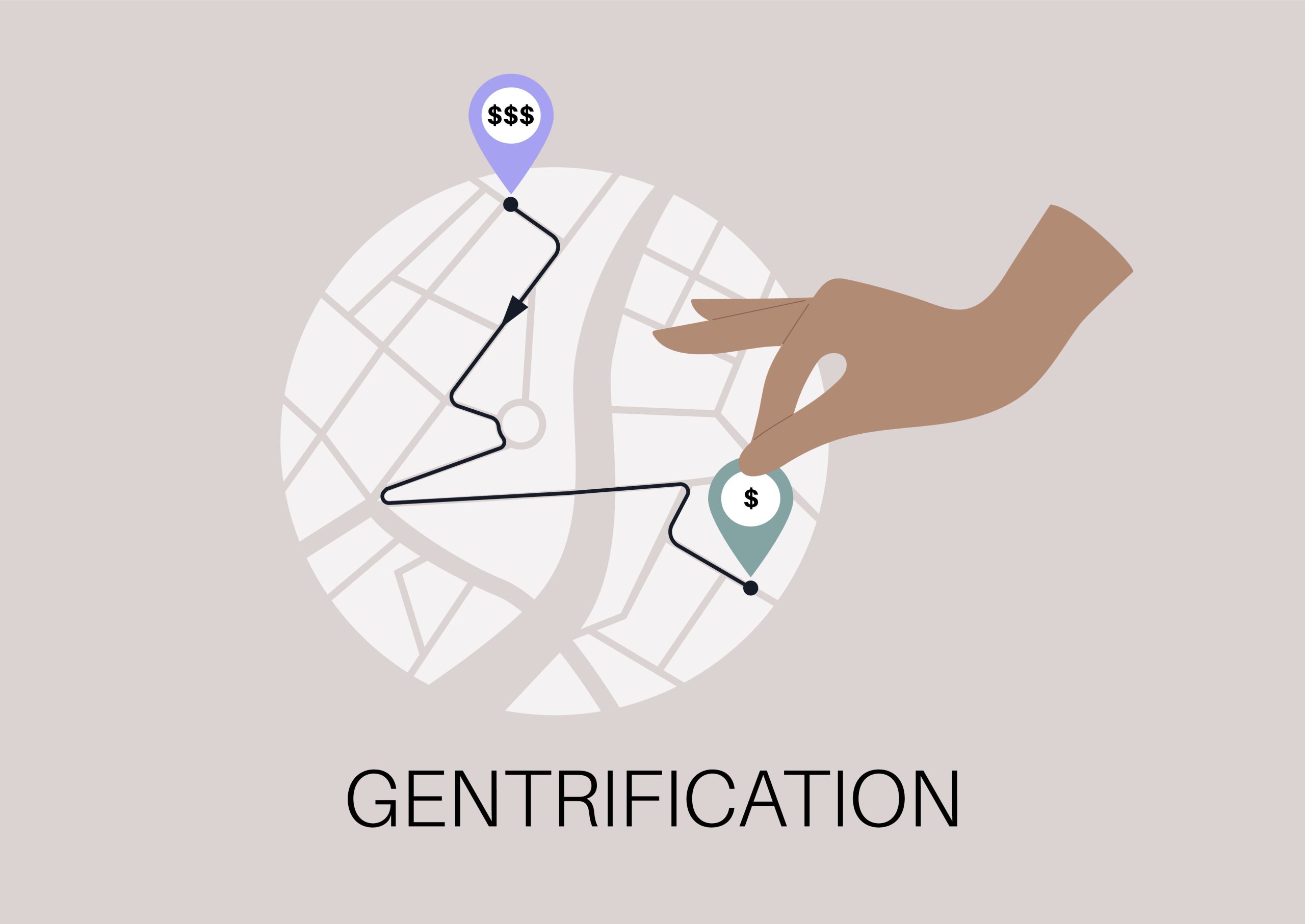
Then gentrification changed everything.
It’s a word that gets tossed around a lot these days, but for many longtime Nashvillians, it’s more than an economic trend. It’s personal. It changes neighborhoods, separates families, and sometimes forces people to leave the only home they’ve ever known.
That happened to me.
I lived in the same Metro Nashville condominium for 24 years. I raised my children there, graded papers during my years as a theater and speech professor at Cumberland University, wrote theater reviews for The Nashville PRIDE, authored 12 plays, and even completed a book while living there.
I often joked that when St. Peter finally came calling, they’d have to carry me out in a pine box.
Instead, I left carrying moving boxes.
Around 2020, credit card debt had become overwhelming. A friend suggested I sell my condo and use the equity to get a fresh financial start.
“Equity?” I laughed. I had paid only about $40,000 for the condo in the early 1990s and had refinanced it twice. I assumed there couldn’t be much value left.
I was wrong.
A Realtor explained that Nashville’s explosive growth had dramatically increased my home’s value. My modest condo was suddenly worth more than twice what I had paid for it.
Selling it allowed me to eliminate my debt, something for which I’ll always be grateful.
But then reality hit.
While my condo had become much more valuable, every other home in Nashville had, too.
I searched neighborhood after neighborhood, hoping to find something affordable. Every search ended the same way. Prices had climbed so high that I could no longer afford to buy another home in the city where I had spent virtually my entire life.
The equity that had rescued me from debt wasn’t enough to keep me in Nashville.
Like thousands of longtime residents, I found myself priced out of my own hometown.
Expanding my search beyond Middle Tennessee, I eventually found a small A-frame cabin in the woods near Crossville, about 130 miles east of Nashville. It wasn’t where I wanted to live, but it was the closest place I could still afford.
My daughter Britt moved with me, and together we began building a new life. The little cabin became home, even though it meant leaving behind the Nashville theater community that had been such a large part of my life for decades.
For a while, things seemed to be working out.
Then the housing market continued its relentless climb.
After several years, we sold the cabin for a modest profit. Once again, rising property values had worked in our favor as sellers.
But once again, they worked against us as buyers.
Even in Crossville, home prices had climbed beyond what we could comfortably afford. The proceeds from selling the cabin weren’t enough to purchase another home in Tennessee.
That’s when I realized something I never thought possible.
If I wanted to own a home again, I would probably have to leave my home state.
I began searching farther and farther away, eventually looking hundreds of miles from Nashville. What started as an attempt to stay close to family, friends, and the city I loved had become a search for somewhere (anywhere) I could still afford to live.
Gentrification had already moved me out of Nashville.
Now it was preparing to move me out of Tennessee.
(Next week: A search for affordable housing leads from Tennessee to New York—and eventually to the Canadian border.)