and eclectic musical style, leaves an enduring legacy in music.
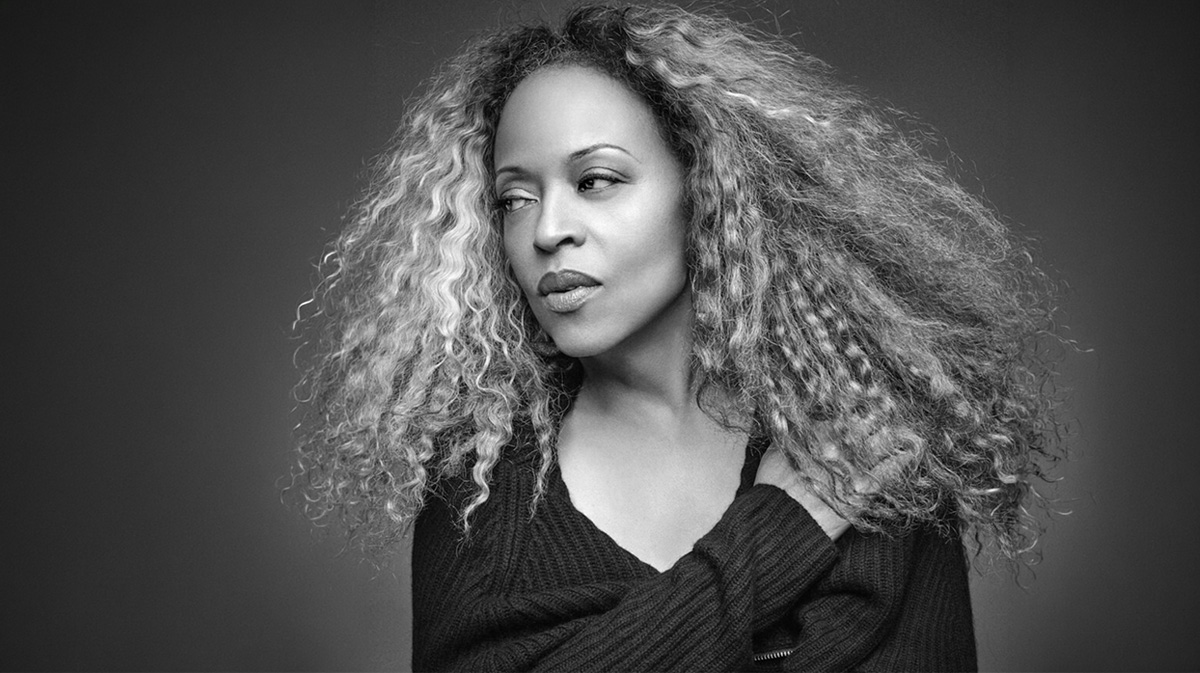
The jazz world is mourning Cassandra Wilson, the Grammy Award-winning singer, songwriter and producer whose unmistakable contralto helped redefine the possibilities of the jazz voice. Wilson died at her home in her native Jackson, Mississippi, at age 70, surrounded by family, close friends and her longtime manager. No cause of death has been publicly announced.
Born Dec. 4, 1955, in Jackson, Wilson grew up in a household where music and education were deeply valued. Her father, Herman B. Fowlkes, was a music teacher, guitarist and bassist with a love for jazz—while her mother, Mary Fowlkes, was an educator whose musical interests included Motown.
Wilson began studying piano at age six and later played clarinet and guitar. Her Mississippi upbringing would remain a defining influence on a career that eventually carried her from the South to stages around the world.
After moving to New York City, Wilson became associated during the 1980s with saxophonist Steve Coleman and the M-Base Collective, a group of musicians exploring new approaches to rhythm, improvisation and composition. The experience helped establish Wilson not simply as a vocalist interpreting standards, but as a musician comfortable working alongside some of jazz’s most adventurous instrumentalists.
Her career entered a defining chapter after she signed with Blue Note Records in the early 1990s. Her 1993 album Blue Light ’Til Dawn blended jazz with acoustic guitar, percussion, blues and other musical traditions, creating a distinctive setting for her deep, expressive voice.
Wilson reached an even larger audience with New Moon Daughter, demonstrating her ability to transform songs from outside the traditional jazz songbook into deeply personal jazz performances. The album earned her a Grammy Award. She later won a second Grammy for Loverly.
At the center of Wilson’s music was her dark, smoky contralto. She used silence, space and restraint as effectively as vocal power, often transforming familiar lyrics through subtle changes in phrasing, rhythm and emotional emphasis.
The blues remained one of the deepest foundations of her artistry. Albums including Belly of the Sun explored Southern musical traditions while connecting blues, folk, jazz and contemporary songwriting.
Mississippi was more than Wilson’s birthplace. It remained an essential part of her musical identity.
Wilson was also celebrated for reimagining the work of other artists. Throughout her career, she interpreted songs associated with Robert Johnson, Joni Mitchell, Bob Dylan, Neil Young, Sting, Van Morrison and Billie Holiday. Rather than simply covering their music, Wilson frequently changed tempos, instrumentation and arrangements to make the songs distinctly her own.
Her connection to Holiday was especially significant. In 2015, Wilson released Coming Forth by Day, an album honoring Holiday on the centennial of the legendary singer’s birth. Rather than imitate Holiday, Wilson used her own musical language to explore the emotion and complexity of the songs associated with her. She also performed a centennial tribute to Holiday at Harlem’s Apollo Theater.
Wilson’s achievements brought some of jazz’s highest honors. Time magazine called her “America’s best singer” in 2001. In 2022, she was named a National Endowment for the Arts Jazz Master, one of the nation’s highest honors for a jazz musician.
She also contributed to Wynton Marsalis’ Blood on the Fields, the landmark work that became the first jazz composition to receive the Pulitzer Prize for Music.
Wilson’s influence, however, extends beyond awards and recordings. She helped broaden expectations of what a contemporary jazz vocalist (particularly a Black woman in jazz) could sing and how that music could sound. Her work moved freely among Delta blues, jazz, folk, country, R&B, rock and popular music without allowing any single genre to define her.
Jackson Mayor John Horhn remembered Wilson as an “extraordinary native daughter” and a “singular musical voice” who carried Mississippi’s sound, spirit and history with her.
It is a fitting description of an artist whose voice was unmistakably her own. Cassandra Wilson carried the South in her music while embracing jazz’s freedom to reinterpret, experiment and reinvent. Her voice may now be silent, but the recordings she leaves behind ensure that its depth, beauty and originality will continue to be heard for generations.