WASHINGTON, D.C. — Encouraging consumers to buy Black is not enough to build lasting Black economic power, according to business leaders and authors who say greater access to capital, corporate contracts, investment and stronger business practices are also needed.
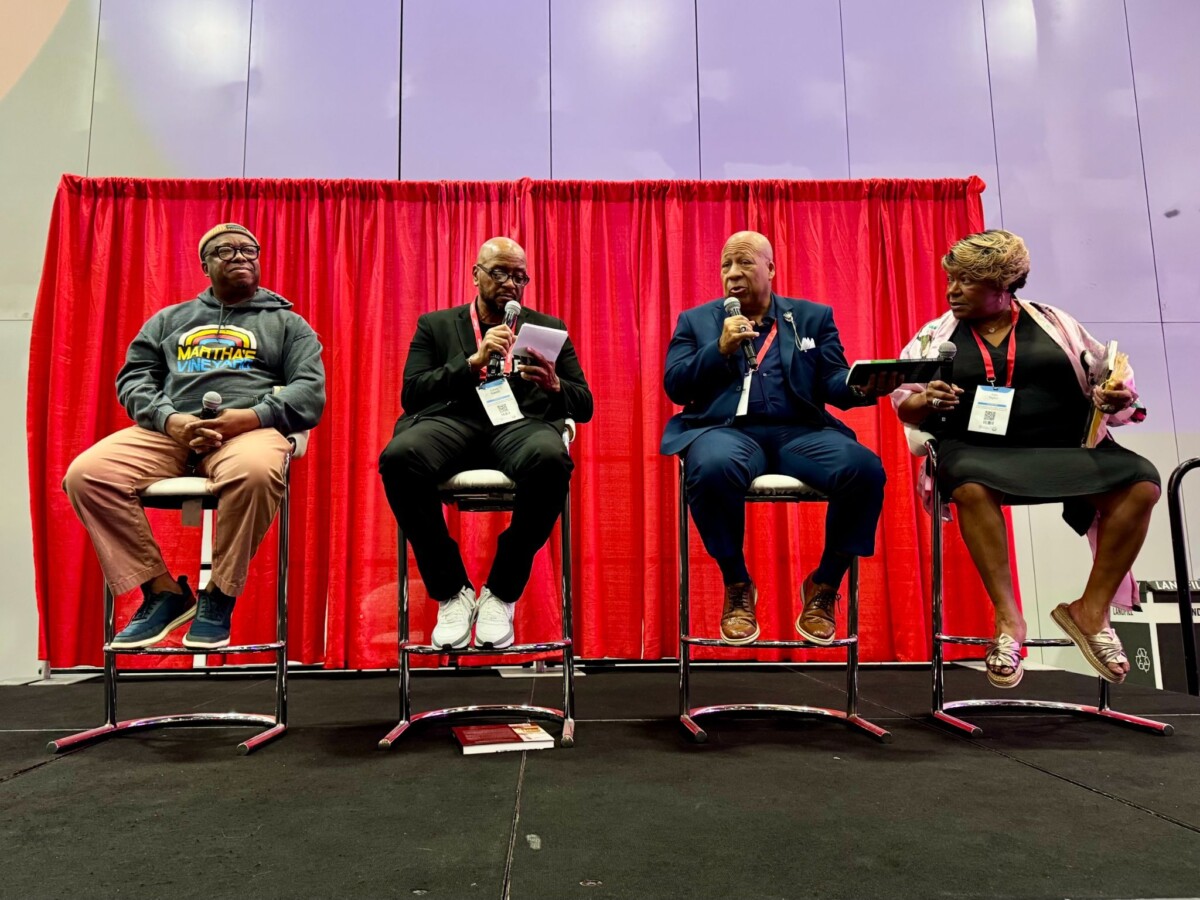
The discussion came during “How to Keep the Black Dollar Bolstering our Communities,” a panel at the Congressional Black Caucus Foundation’s Annual Legislative Conference.
Panelists focused on a familiar question: How can Black consumer spending be converted into stronger businesses, ownership and long-term wealth?
Victor Simmons, author of “The Presence-Driven Leader: Lead With Presence, Not Position,” said one of the biggest obstacles remains unchanged.
“Access to capital. That’s always been the problem,” Simmons said.
About 201,000 Black-owned employer firms operated in the United States in 2023, representing 3.4% of businesses with employees and generating approximately $249 billion in receipts, according to the U.S. Census Bureau.
Simmons said expanding that number requires more than Black consumers deliberately choosing Black-owned businesses. Corporations also should examine which companies gain access to their supply chains and whether financing terms, credit and contracting practices allow smaller Black-owned firms to compete and grow.
“We’ve got to be asking those kind of questions and hold these corporations accountable to making it easier for vendors to be able to get in,” Simmons said.
Author and Emmy Award-winning director Phill Branch turned that same question toward organizations that serve Black communities.
Using the conference itself as an example, Branch asked how much money spent producing major Black events actually reaches Black-owned companies.
“Sometimes that conscious choice means you have smaller events,” Branch said, “but you have smaller events that the money stays targeted and stays within the community.”
The discussion comes against the backdrop of a persistent racial wealth gap. The Federal Reserve’s 2022 Survey of Consumer Finances found median wealth of about $44,900 for Black families compared with $285,000 for white families.
Moderator Calvin Stovall, author of “Hidden Hospitality,” said responsibility for narrowing that divide cannot fall entirely on consumers. He challenged businesses, corporations, banks, policymakers and community organizations to consider their roles in creating a stronger economic ecosystem.
Simmons encouraged Black business owners to collaborate rather than viewing similar companies only as competitors. Cooperation, he said, can give businesses greater bargaining power and help them share opportunities.
Financial education and investing were also emphasized.
Ada Taylor, known as Lady Ada and author of “From the Concrete Reservation to the Crown Jewel: From Ground Zero to Multi-Millionaire,” described teaching young people about investing and recalled a student who used investment proceeds to buy a larger tow truck and expand his business without taking out a loan.
Panelists also said supporting Black-owned businesses should not mean ignoring the fundamentals of running a successful company.
“Black-owned businesses must develop better business practices,” Stovall said.
Consumers should not be expected to tolerate poor service simply because a business is Black-owned, he said. Better customer service and stronger operations can help businesses retain customers and survive longer.
For entrepreneurs seeking financing, Stovall offered another recommendation: Build a capable team before approaching a lender.
“When you go into a bank, make sure you have a team,” he said. “Sometimes we want to do all of the roles in our business, but that isn’t always the best way to do business.”
La Tetra Metts-Owens is a reporter for HUNewsService.com.