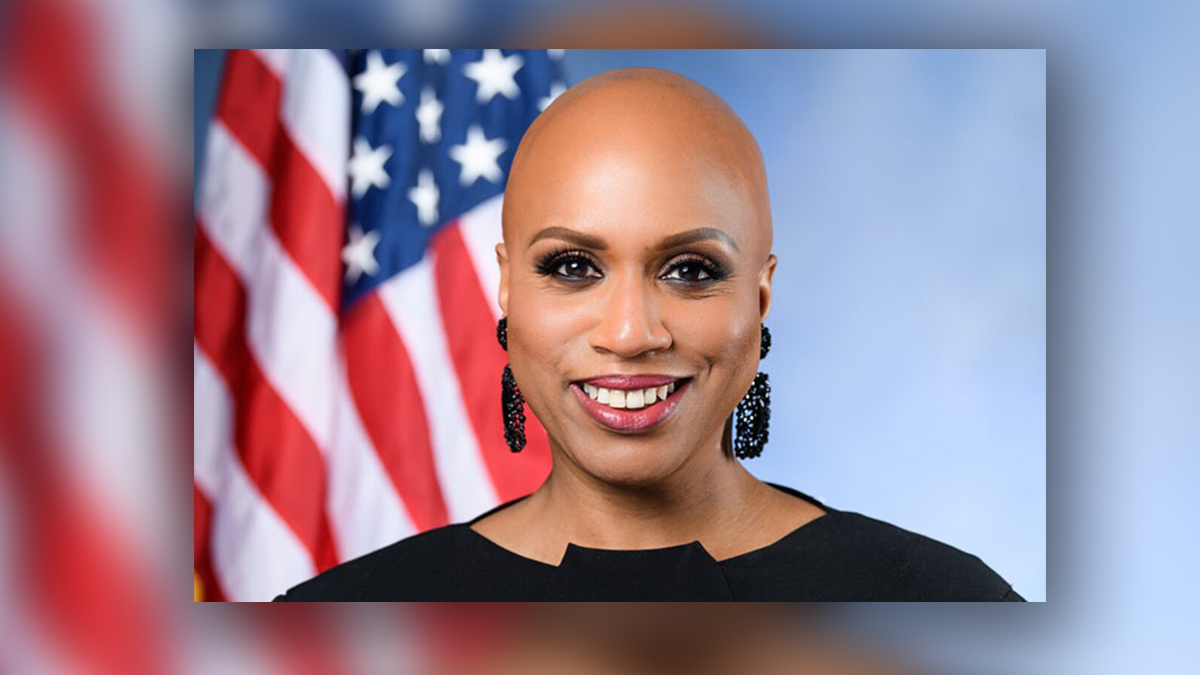
WASHINGTON, D.C. — U.S. Rep. Ayanna Pressley is calling for a federal jobs guarantee as Black workers, particularly Black women, continue to face higher unemployment and greater financial vulnerability when jobs disappear.
Pressley, D-Mass., announced federal job guarantee legislation during the Congressional Black Caucus Foundation’s 55th annual Legislative Conference. The proposal urges the federal government to guarantee employment paying at least $25 an hour.

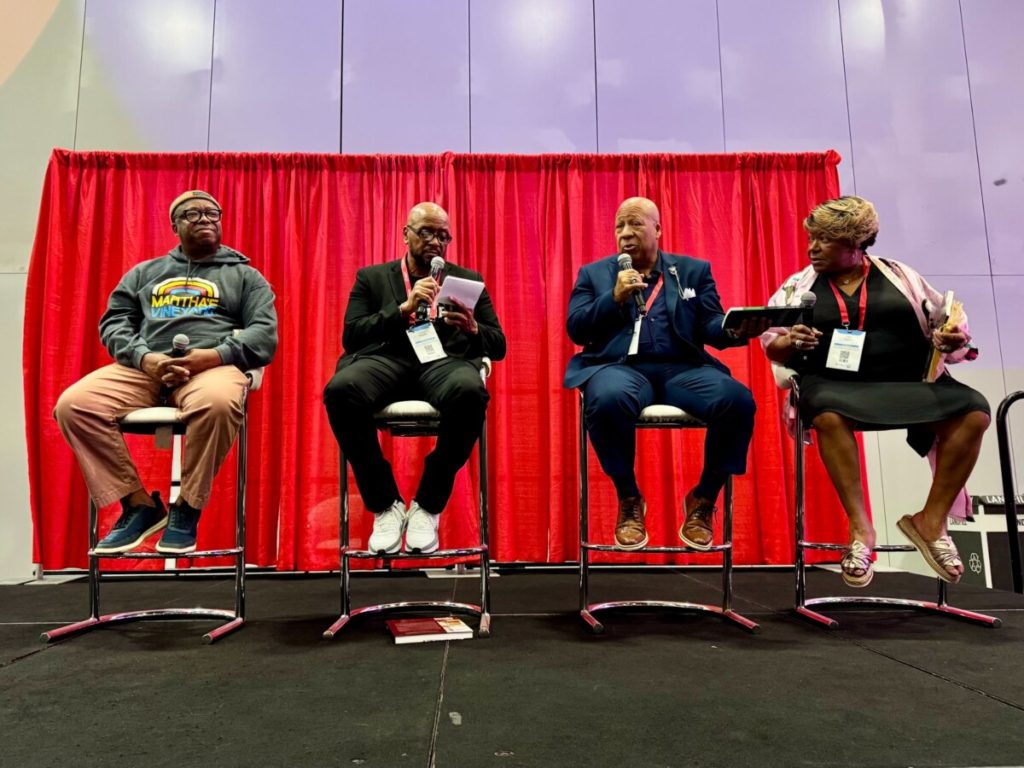
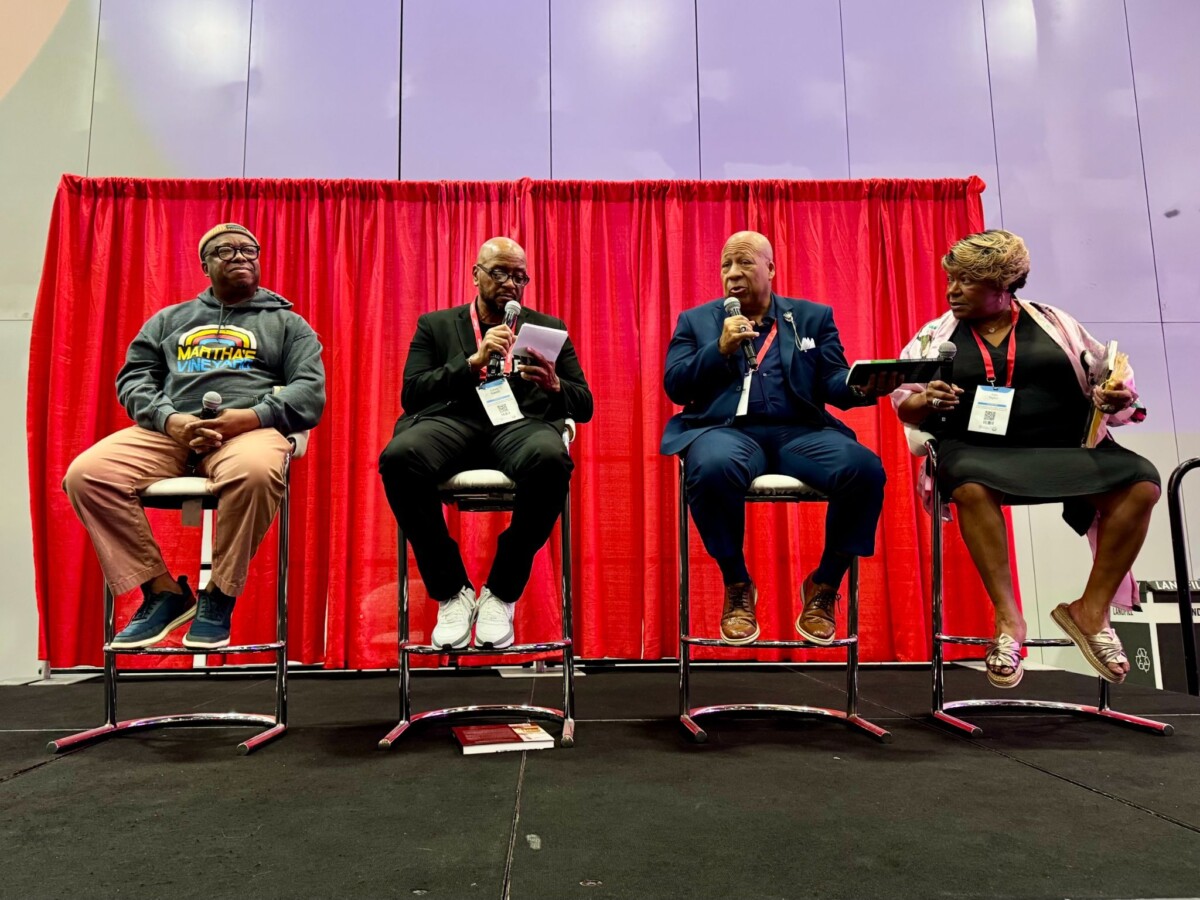
Speaking during a panel titled ‘Black Jobs, Black Women, Black Families, Black Futures: A Pathway to an Inclusive Job Market,’ Pressley said persistent disparities in employment have consequences that reach beyond individual workers.
“Black suffering is so systemic,” Pressley said. “It’s so endemic. It’s so ingrained in the fabric of who we are that for many it is unremarkable.”
Pressley cited unemployment figures showing a 3.7% rate among White workers compared with six percent among African Americans. She also noted that Black women are primary breadwinners in many Black households.
Her proposal draws on a long history of advocacy for full employment, including the work of Coretta Scott King, who championed employment as an economic right. Pressley also called on the Federal Reserve to fulfill its maximum-employment mandate.
Panelists emphasized that the consequences of job loss can be especially severe for Black women and their families.
Ofronama Biu, chief economist of the Maven Collaborative, presented data showing that household income averages about $44,000 when a Black woman is unemployed, compared with $80,000 in households with an unemployed White woman.
Biu said unemployment also affects access to necessities. Health insurance coverage among unemployed Black women falls from 92% to 79%, she said, while rising prices can push families toward short-term installment loans to cover groceries, gasoline and other everyday expenses.
“When Black women suffer, Black children suffer,” said Brittany Packnett Cunningham, vice president and chief strategy officer at the Children’s Defense Fund.
Cunningham noted that Black women frequently perform unpaid work supporting extended families, neighborhoods and community organizations, making the impact of unemployment broader than the loss of a paycheck.
Florida state Rep. Angie Nixon encouraged attendees to strengthen community-based mutual aid networks, pointing to grassroots systems developed during the Civil Rights Movement.
The human impact of unemployment became especially apparent during the question-and-answer session. A woman with a law degree described exhausting her savings while repeatedly being rejected for jobs and asked panelists how workers could remain resilient.
Before the session concluded, Pressley directed a member of her congressional staff to collect the woman’s resume and contact information.
“There is so much shame we carry about things, a shame that is shaped by policies and systems and leaders that have failed us,” Pressley said. “It took great bravery to be candid—and we want to reward that bravery.”
(Aaliyah Clarke is a reporter for <HUNewsService.com>).