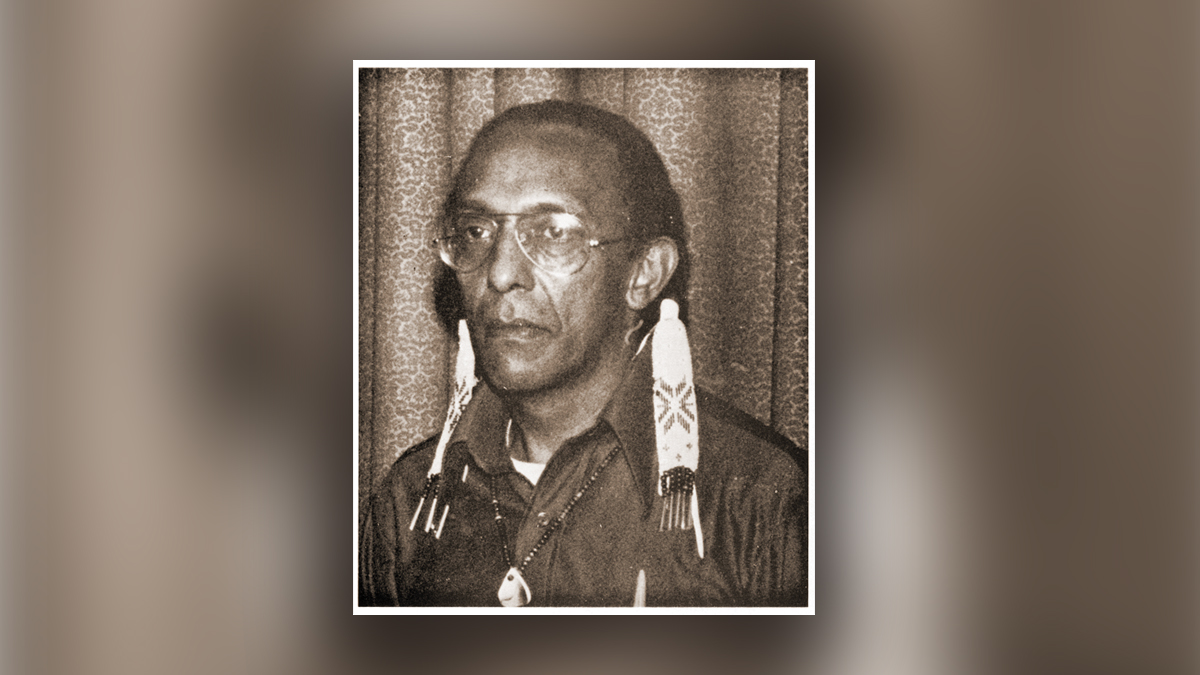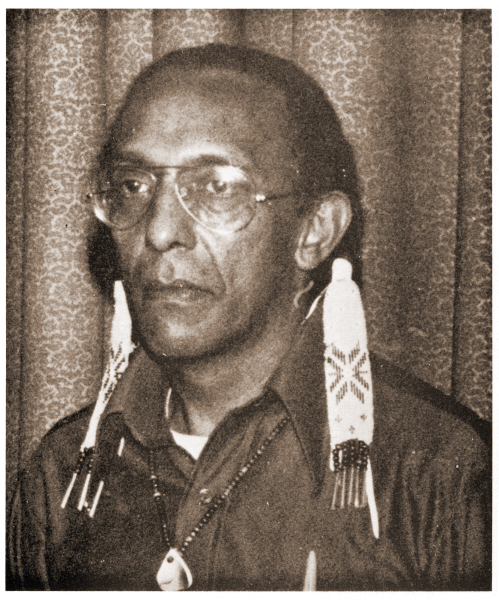
The National Day of Mourning in the United States is an annual protest and day of remembrance held by Native Americans and their allies on the fourth Thursday in November — coinciding with the U.S. Thanksgiving holiday. It was established in 1970 when Wampanoag activist Frank “Wamsutta” James had his speaking invitation rescinded for a Massachusetts Thanksgiving 350 th anniversary event because his speech addressed historical and ongoing atrocities against Native Americans.
National Day of Mourning is centered at Cole’s Hill in Plymouth, Massachusetts, where participants gather at noon for speeches, marches, and community remembrance. NDoM honors Indigenous ancestors, mourns the genocide and land theft following European colonization, challenges Thanksgiving mythology, and highlights ongoing Native struggles.
Many Native people do not celebrate the arrival of the Pilgrims & other European settlers. Thanksgiving Day is a reminder of the genocide of millions of Native people, the theft of Native lands and the erasure of Native cultures. Participants in NDoM honor Indigenous ancestors and Native resilience. It is a day of remembrance and spiritual connection, as well as a protest against the racism and oppression that Indigenous people continue to experience worldwide.
National Day of Mourning will be observed this year on Thursday, November 26, 2026, beginning at 12:00 Noon EST at Cole’s Hill (above Plymouth Rock), Plymouth, Massachusetts. Tune in the Livestream as they continue to create a true awareness of Native peoples and history. Help shatter the untrue image of the Pilgrims, and the unjust system based on white supremacy, settler colonialism, sexism, homophobia and the profit – driven destruction of the Earth that they and other European settlers introduced to these shores.
In 1970 Wampanoag leader Frank “Wamsutta” James refused to deliver a censored, celebratory speech at a Massachusetts banquet marking the 350th anniversary of the Mayflower’s arrival. Instead, he led a gathering of hundreds of Indigenous people and allies on Cole’s Hill in Plymouth on Thanksgiving Day to share an honest account of colonization. Massachusetts officials planned a major state dinner in Plymouth to celebrate 350 years since the Pilgrims landed and invited James, an Aquinnah Wampanoag educator and activist, expecting him to deliver an appreciative tribute to Pilgrim – Wampanoag friendship.
Event planners demanded to review James’s remarks in advance. When they read his draft, they found it too critical and unsuited for a festive celebration, and barred James from giving his speech. They offered him a sanitized version written by a public relations team instead. James refused to read words that erased his people’s history and withdrew from the official ceremony.

James’s original address — now known as “The Suppressed Speech of Wamsutta” — challenged the traditional American myth of the “First Thanksgiving.” He detailed how European explorers kidnapped Indigenous people to sell into slavery before the Pilgrims even arrived, and how settlers later robbed Wampanoag graves and food supplies. James recounted the devastation of European diseases, broken treaties, the 1637 Mystic massacre, and the aftermath of King Philip’s War.
Despite centuries of land theft and forced assimilation, James emphasized Wampanoag resilience and called for a more humane society that respected both people and nature. Rather than stay silent, James organized a counter – demonstration on Thanksgiving Day, November 26, 1970. Hundreds of Native Americans from across the country joined him on Cole’s Hill, standing beside the statue of the Wampanoag leader Ousamequin (Massasoit) overlooking Plymouth Rock. During the protest, participants delivered the uncensored speech, symbolically buried Plymouth Rock in sand, and boarded a replica of the Mayflower to lower its English flag.
Following the 1970 demonstration, James founded the United American Indians of New England (UAINE) to continue the protest every Thanksgiving. In 1998, the town of Plymouth installed a permanent plaque on Cole’s Hill honoring James and the National Day of Mourning. Learn more at: https://www.uaine.org/, and tune into the livestream at: https://www.youtube.com/live/71rahWgFHBs.