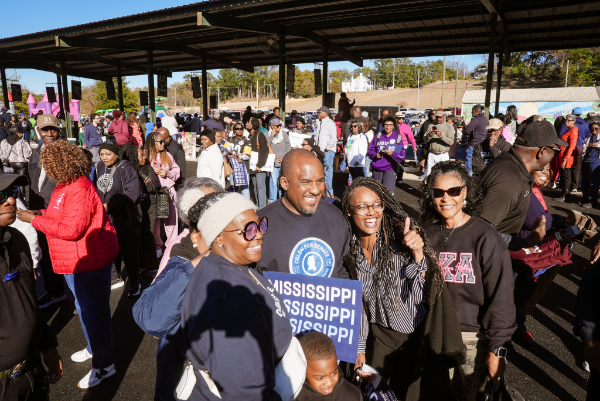
Colom made history by defeating Republican incumbent Cindy Hyde-Smith, becoming the first
Black candidate elected by Mississippi voters to the U.S. Senate and the state’s first Democratic Senate election winner since 1982.
First Black senator elected by Mississippi voters defeats Republican incumbent in race with deep civil rights significance
JACKSON, Miss. – In one of the most significant political upsets of the 2026 midterm elections, Democrat Scott Colom defeated Republican incumbent Cindy Hyde-Smith to become the first Black U.S. senator elected by Mississippi voters and the first Democrat to win a Senate election in the state since 1982.
Colom, 43, a district attorney from Columbus, Mississippi, narrowly defeated Hyde-Smith by approximately 5,000 votes after a prolonged count of absentee and provisional ballots. Hyde-Smith conceded eight days after the November 3 election.
The victory carries extraordinary historical significance in a state whose history includes some of the nation’s most violent struggles over African American voting rights.
Only two Black senators previously represented Mississippi: Hiram Revels and Blanche K. Bruce, both chosen by the state legislature during Reconstruction. Bruce left office in 1881, making Colom the first Black Mississippian to serve in the Senate in nearly 146 years when he takes office in January.
Colom’s victory is also the first by a Black candidate for statewide office in Mississippi since Reconstruction.
“All I did was have the courage to imagine a night like this,” Colom told supporters at a victory celebration at Tougaloo College, the historically Black institution in Jackson. “I had the courage to believe in Mississippi.”

The election also represents an unusual political reversal. In 2023, Hyde-Smith blocked Colom’s nomination to the federal judiciary by President Joe Biden, refusing to return the Senate’s customary approval document known as a blue slip.
Three years later, Colom defeated the same senator who had prevented him from becoming a federal judge.
U.S. Rep. Bennie Thompson, Mississippi’s longtime Democratic congressman, called the victory especially meaningful.
“To see him now elected to the very Senate where his nomination was blocked is especially meaningful and a testament to his perseverance and the trust Mississippians have placed in his leadership,” Thompson said.
Colom’s campaign focused heavily on economic concerns, including rising grocery prices, tariffs, rural hospital closures and healthcare costs. His ‘Mississippi Matters’ message sought to attract working-class voters across racial and political lines.
A campaign advertisement criticizing Hyde-Smith’s response to rising beef prices became a viral sensation. After the incumbent suggested consumers could choose other proteins, Colom’s supporters responded with the message that voters could choose another senator instead.
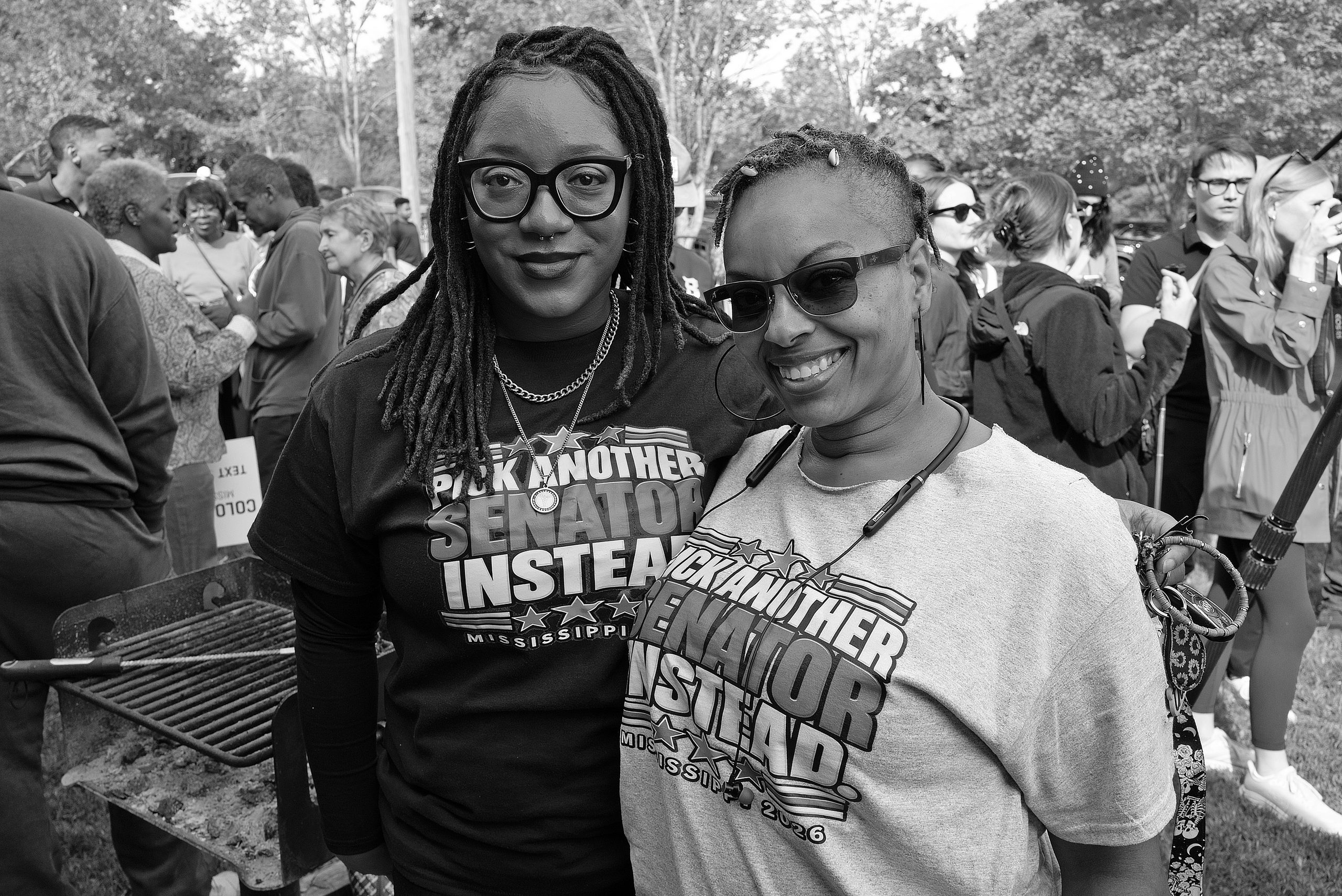
(Photo by Ben Ledbetter / Wikimedia Commons)
His campaign also emphasized personal contact with voters, holding town halls and making appearances throughout Mississippi’s 82 counties.
Black voter mobilization played a significant role. According to the NAACP, its Mississippi organization opened 11 field offices, knocked on more than 150,000 doors across 40 counties, registered more than 17,000 voters and distributed hundreds of thousands of voter outreach messages.
The organization also monitored ballot counting and helped voters resolve problems with provisional ballots.
“Mississippi voters made history because they refused to be intimidated, discouraged, or counted out,” said NAACP President/CEO Derrick Johnson.
The election unfolded amid controversy over Mississippi’s voter registration procedures, including the use of consumer credit data to identify potentially outdated voter addresses. Voting rights advocates raised concerns that eligible voters had been improperly classified as inactive.
Colom’s personal history also reflects Mississippi’s changing political landscape. His mother, Dorothy Colom, became the first Black chancery court judge elected in her district. Colom himself became the first Black district attorney elected in Mississippi’s majority-White 16th Judicial District in 2015.
His election challenges longstanding assumptions about which candidates can win statewide in Mississippi, where Republican candidates have dominated federal elections for decades.
For civil rights advocates, the victory also recalls the sacrifices of Mississippi activists, including Medgar Evers, Fannie Lou Hamer and the Freedom Summer volunteers who fought to secure voting rights for African Americans.
Colom now faces the task of translating his historic election into legislative results, particularly on healthcare, economic opportunity and rural development.
His victory demonstrates that Mississippi’s political landscape, long considered firmly Republican, can produce unexpected results when voter participation and cross-party support converge.