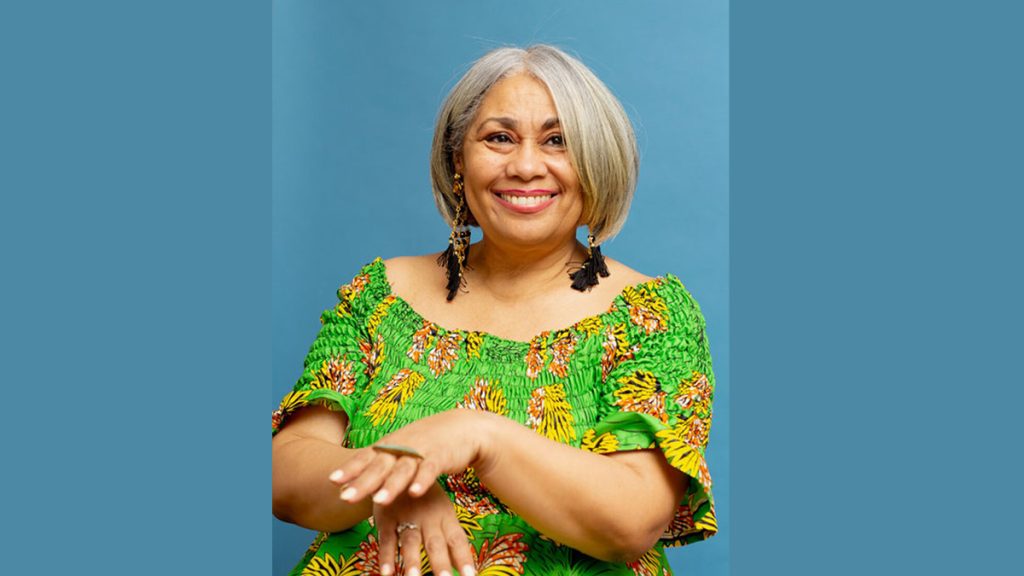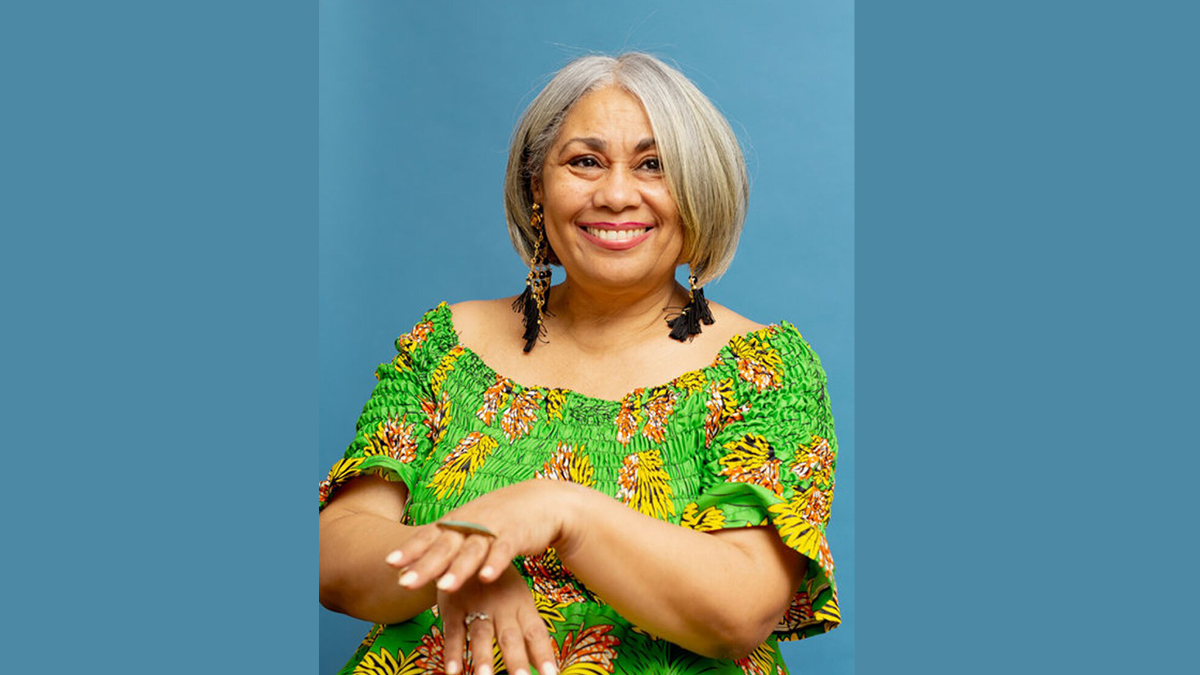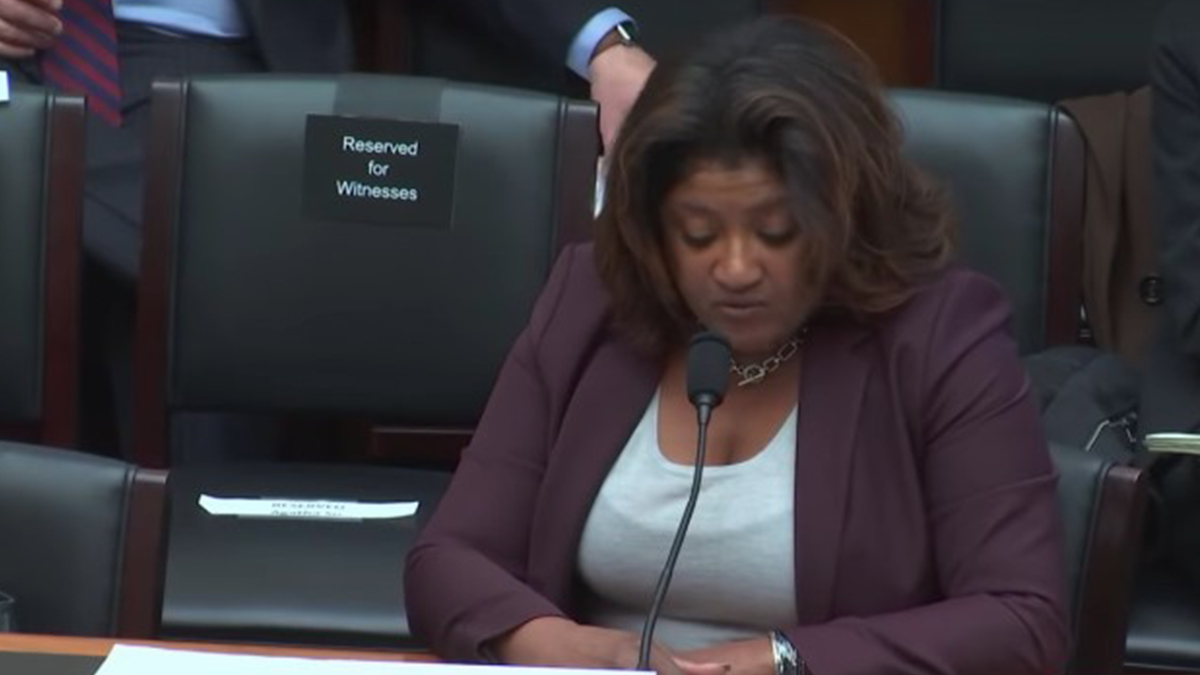

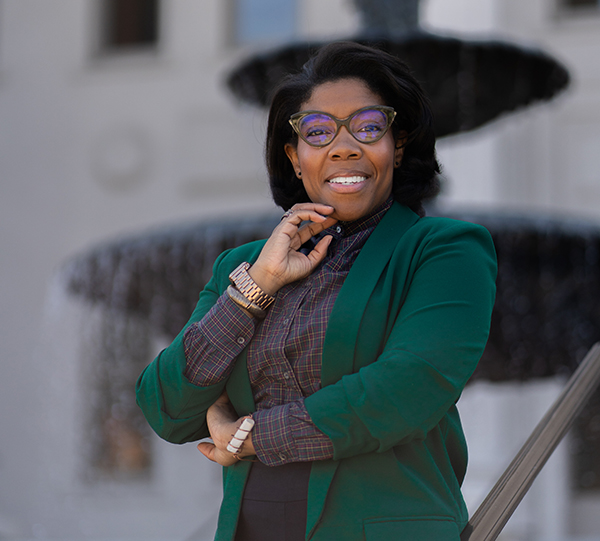
In honor of International Women’s Day, Meharry Medical College hosted ‘Break the Bias,’ a virtual event featuring guest speaker, Kia Jarmon. Jarmon guides leaders, organizations and systems on the pathway of improvement by examining community, culture, crisis and communication.
Jarmon has led numerous efforts addressing affordable housing, health access, youth violence, child abuse prevention, elder law and the environment. She serves as a mentor to dozens of young women informally and through the formal mentoring and internship from the Mentorships Project, which has graduated more than 20 young women.

Jarmon is the director of the MEPR Agency, founder for the Nonprofit Equity Collaborative, co-leader of Nashville’s Lack Philanthropy Initiative and a Collective Impact consultant.
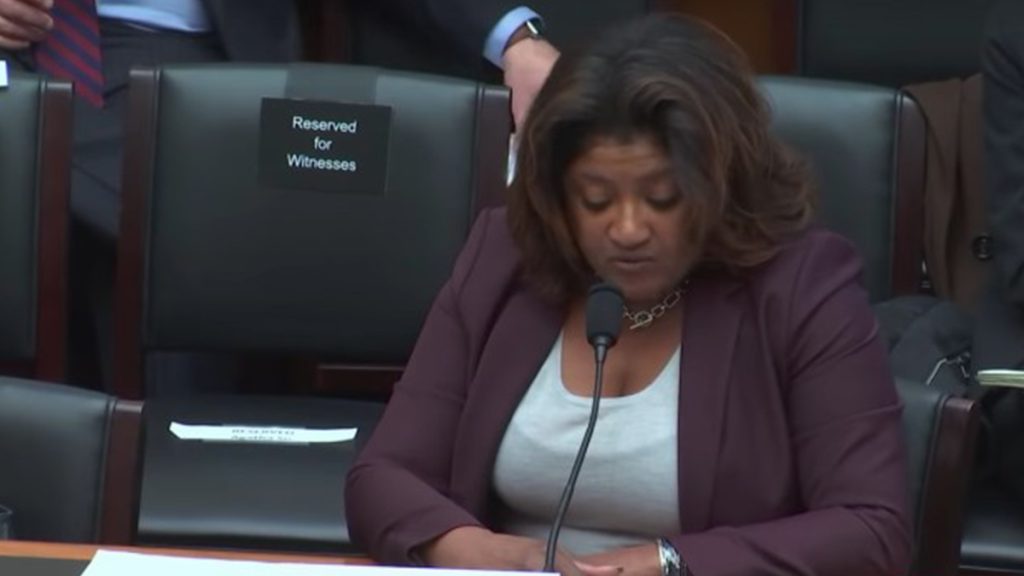
Before Jarmon’s presentation, Veronica Mallett, MD, MM, helped set the stage for the discussion and provide background and terminology for biases that women of color experience in their daily lives.
According to Mallett, 80% of women’s decisions are made unconsciously, driven by the limbic system. The limbic system is the part of the brain involved in our behavioral and emotional responses, especially when it comes to behaviors we need for survival: feeding, reproduction and caring for our young, and fight or flight responses.
“Because of the traditions of not just western society, but a globally male dominated culture, women have attempted to seek equity across the world and face challenges that in some cases are seemingly insurmountable.”
Of the biases discussed, Mallett mentioned:
- Likability Bias – Rooted in age-old expectations. We expect men to be assertive, so when they lead, it feels natural. We expect women to be kind and communal, so when they assert themselves, we like them less.
- Performance Bias – Based on deep-rooted-and-incorrect assumptions about women’s and men’s abilities. We tend to underestimate women’s performance and overestimate men’s. For African American women there is the double-edged sword of underestimation because of gender and race.
- Attribution Bias – Closely linked to performance bias. We see women as less competent that men, we tend to give them less credit for accomplishments and blame them more for mistakes.
- Maternal Bias – Motherhood triggers false assumptions that women are less committed to their careers and even less competent. Women may not want an extra opportunity because they are our parents.
Mallett also discussed micro-aggressions. Micro-aggressions are comments and actions that demean or dismiss someone based on their gender, race, or other aspects of their identity.
“We are also as women and particularly women of color subjected to micro-aggressions,” said Mallett. “These are actions that demean or dismiss someone based on their gender or other aspects of their identities such as race or religion and some groups experience.
“Particularly, Black women understand what a micro-aggression is and they’re more likely to experience it than White women at work. One example is when someone said that ‘Vice President Harris was very articulate.’ She was the attorney general for the state of California, what would you expect her to be?”
During the event, Jarmon discussed how we can address bias within ourselves, organizations and the world, with an emphasis on the role it plays in women’s lives.
“This conversation about bias is really about awareness, but that’s just step one,” said Jarmon.
“We need to become more aware of our biases and how people are actually treated. We’re still excited in some instances to call ourselves ally, rather than undertaking the hard work of changing our actions “
According to Jarmon, because of past learned biases, many feel as though they are helping when they are actually doing the opposite.
“Women can also sometimes be the largest problem for other women.”
Jarmon also called for awareness beyond International Women’s Day or Equal pay day.
“We must also acknowledge our individual and collective biases all year around and call them out within ourselves and within the systems where we have been.”