Homeowners across the United States face an escalating crisis as insurance companies abandon high-risk areas driven by climate change. A newly released Senate Budget Committee report reveals that non-renewal rates for home insurance have surged in coastal regions, wildfire-prone communities, and even inland counties. Rising premiums and insurer withdrawals are creating a financial disaster that threatens national property values and economic stability.
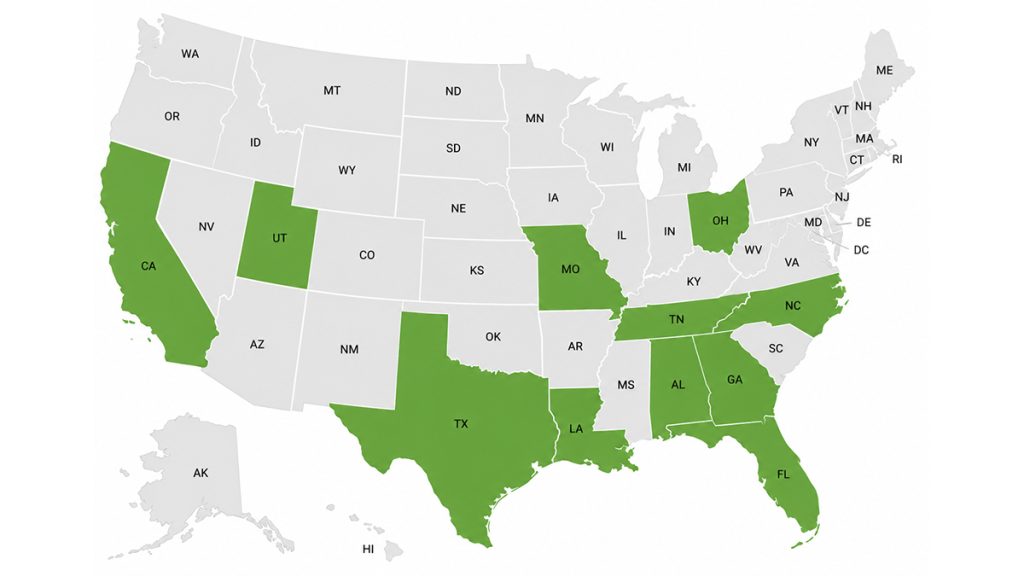
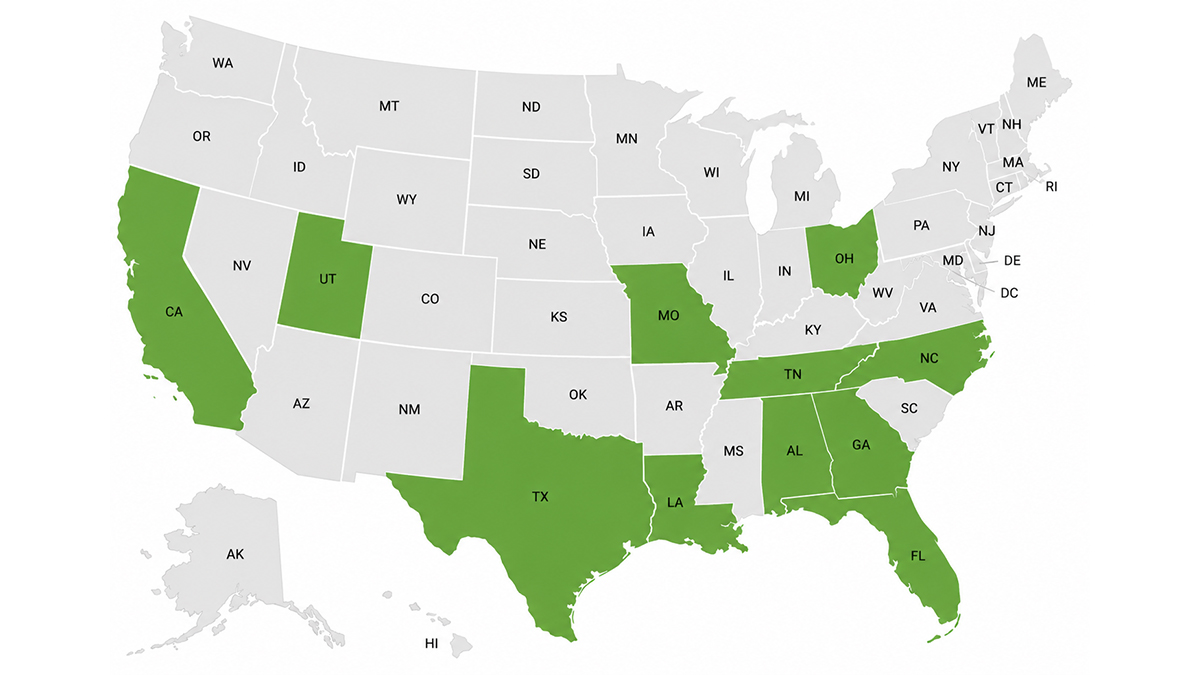
The report, which analyzed data from 23 major insurance companies representing 65% of the homeowners’ insurance market, highlights the widespread nature of the problem. While states such as Florida, Louisiana, California, and Texas often serve as focal points for insurance instability, the crisis is also spreading to less traditionally vulnerable regions. In 2023, states such as North Carolina, New Mexico, Oklahoma, and Hawaii ranked among the highest for non-renewal rates.

Florida recorded the highest average statewide non-renewal rate, but Texas did not break the top 10. The data shows that severe convective storms, wildfires, and hurricanes drive insurers out of markets, leaving millions of homeowners without coverage.
Among the 100 counties with the highest non-renewal rates in 2023, 82 were coastal or wildfire-prone. Counties in North Carolina, New Mexico, the Northern Rockies, and Southern New England are experiencing sharp non-renewal increases. The report also identifies several inland counties, including those in Oklahoma and Montana, where non-renewal rates are rising due to the growing threat of wildfires and severe storms.
In North Carolina, 13 inland counties, including Cumberland, Mecklenburg, and Guilford, were among the top 100 for non-renewal rates in 2023. Despite being away from the coast, the report revealed that these areas continue to suffer from hurricanes and other extreme weather events.
The Senate report warns that the rising wave of non-renewals and premium increases could lead to a nationwide collapse in property values. Home insurance is critical for securing mortgages. Without it, homeowners are left stranded financially, officials stated in the report, which parallels the 2008 financial crisis.
The report notes that “insured losses from natural disasters in the U.S. now routinely approach $100 billion a year, compared to $4.6 billion in 2000.” As insurers retreat from high-risk areas, premiums for those with coverage are climbing rapidly. In counties with the highest climate risks, premiums increased by 22% between 2020 and 2023. Nationally, homeowners have seen their premiums rise by 21% since 2015, outpacing inflation by 40%.
The data reveals that the crisis is spreading. Rhode Island, for example, saw a 280% increase in non-renewal rates between 2018 and 2023. Oklahoma, known more for tornadoes than coastal threats, ranked seventh in 2023 for non-renewals, driven by severe convective storms and wildfires.
Even traditionally stable markets are at risk. Counties in New Jersey, New York, and Montana are also seeing rapid non-renewal increases. As insurers pull back, officials said the ripple effects could destabilize housing markets in once-considered safe areas.
The report clearly depicts an insurance market in danger. Federal Reserve Chair Jerome Powell testified earlier this year that “insurance of various different kinds—housing insurance, but also automobile insurance—has been a significant source of inflation over the last few years.” Treasury Secretary Janet Yellen echoed the concerns, stating that climate-driven losses are causing insurers to raise rates or exit markets entirely.
“Climate change is no longer just an environmental problem. It is a looming economic threat,” the report said.