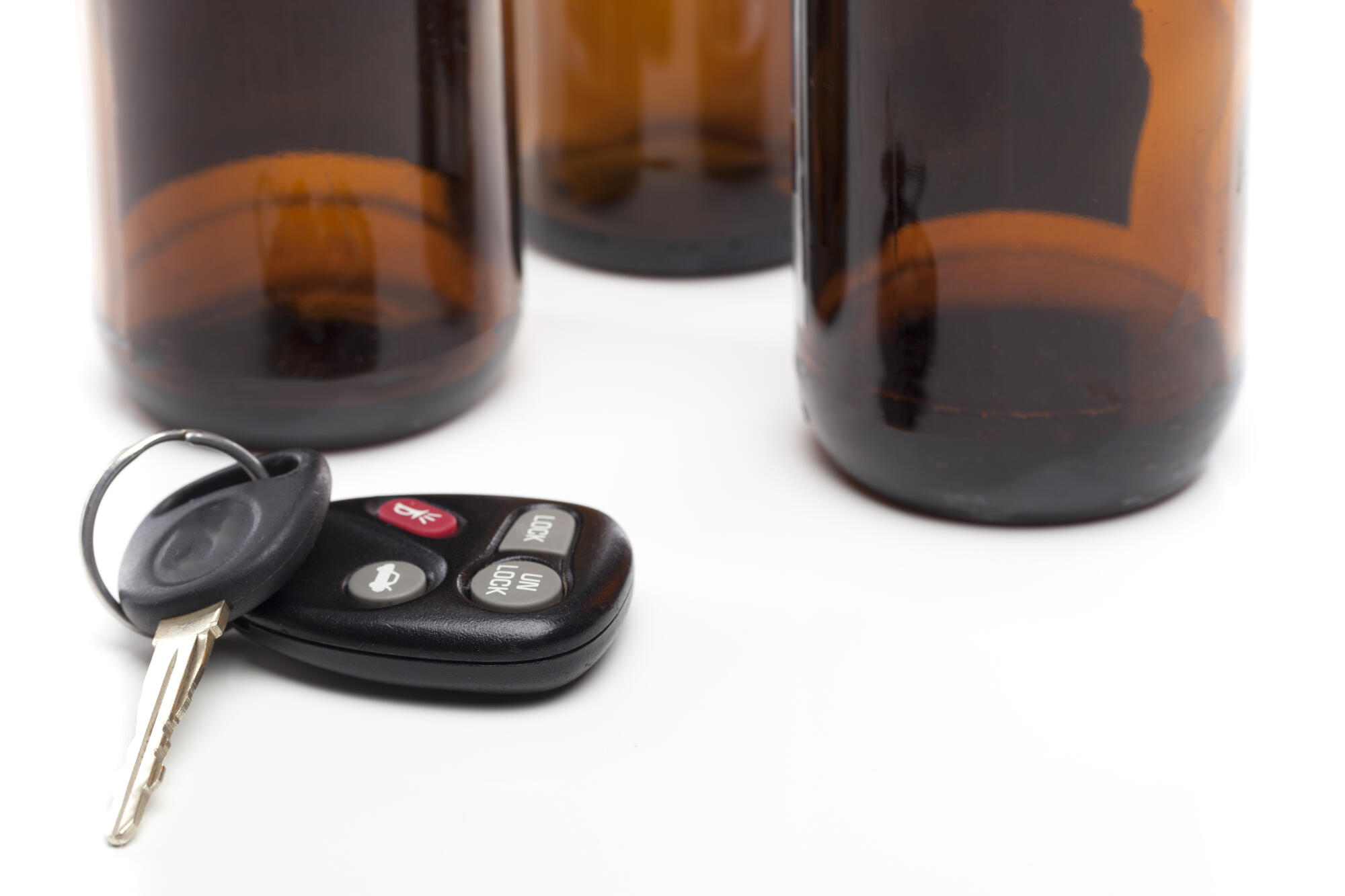
DUI checkpoints (also known as sobriety checkpoints) have long been a visible tool used by law enforcement to deter impaired driving. While their presence on roadways can spark debate, data continues to show that when used consistently and strategically, these checkpoints can reduce alcohol-related crashes and encourage safer decision-making among drivers.
At their core, DUI checkpoints involve officers stopping vehicles at predetermined locations to assess whether drivers may be under the influence of alcohol or other substances. Rather than targeting individuals, officers follow neutral patterns (such as stopping every third vehicle) to ensure fairness and avoid bias. During these brief stops, officers look for common indicators of impairment, including slurred speech, dilated eyes, the smell of alcohol, or the presence of open containers inside the vehicle.

Beyond enforcement, checkpoints serve as a powerful deterrent. Their effectiveness is not solely based on the number of arrests made, but on the number of drivers who choose not to drive impaired in the first place. Public awareness plays a major role in this deterrence. When checkpoints are announced in advance, supported by signage, and conducted with visible patrol vehicles, they send a clear message: impaired driving will not go unnoticed.
Local data supports this approach. In some areas, alcohol-related crashes have declined in the days following checkpoint operations, indicating that their impact extends beyond the immediate timeframe. However, experts note that consistency is key. When checkpoints are used regularly, they help reinforce behavioral change. Without that consistency, drivers may revert to risky habits.
Still, DUI checkpoints are not a stand alone solution. Their effectiveness increases significantly when combined with other traffic safety strategies. Public education campaigns, for example, help inform drivers about the dangers and consequences of impaired driving. Stricter laws and penalties also play a role, reinforcing the seriousness of DUI offenses. Additionally, tools like ignition interlock devices (installed in vehicles to prevent operation by impaired drivers) add another layer of prevention.
Community partnerships further strengthen these efforts. Organizations such as Mothers Against Drunk Driving (MADD) and local advocacy groups often work alongside law enforcement to promote awareness and provide resources. Meanwhile, the rise of ride-sharing services and designated driver programs has made it easier than ever for individuals to avoid getting behind the wheel after drinking.
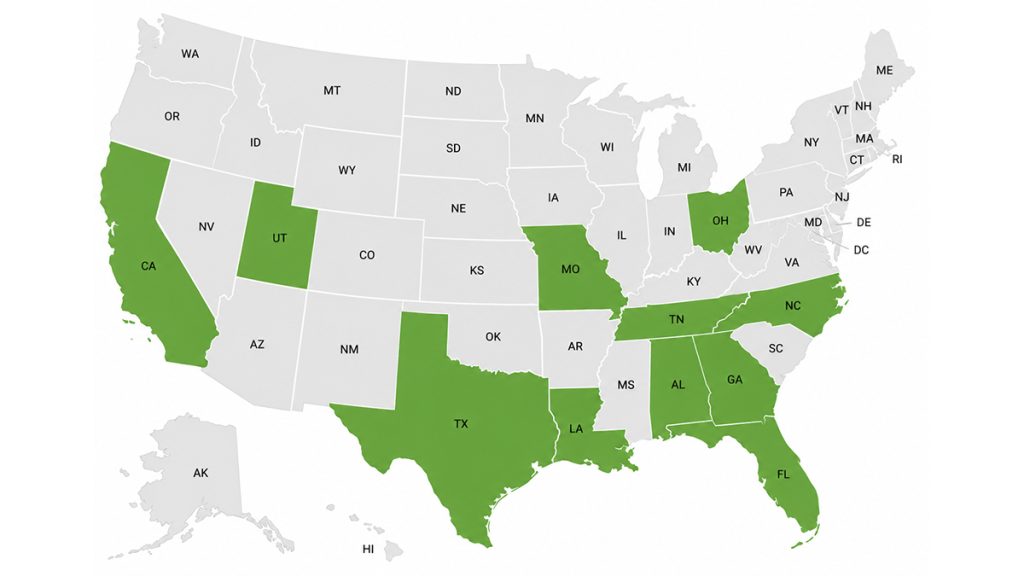
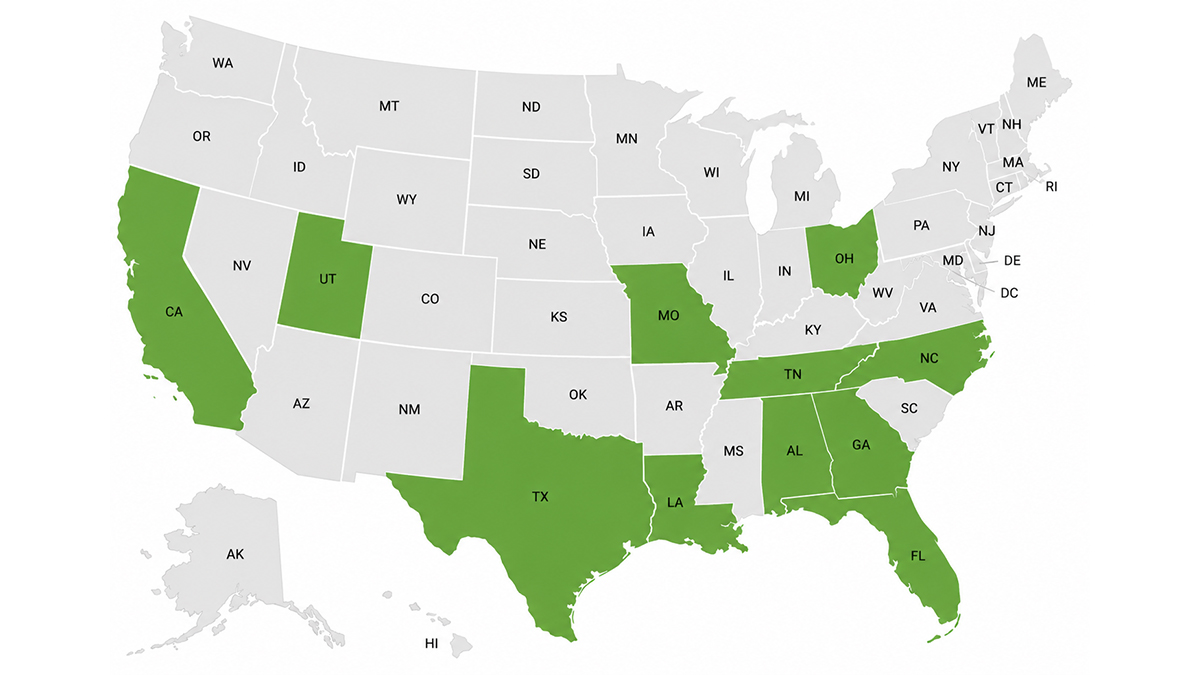
Despite their benefits, DUI checkpoints remain a topic of legal and public debate. Their legality varies by state, with some jurisdictions allowing them under strict guidelines and others prohibiting them altogether. Where they are permitted, law enforcement agencies must adhere to specific requirements, including advance notice, neutral stopping procedures, and measures to ensure driver safety. These safeguards aim to balance public safety with individual rights.
Critics of checkpoints often raise concerns about privacy and inconvenience, arguing that stopping drivers without probable cause may infringe on personal freedoms. Supporters, however, point to the lives saved and injuries prevented as justification for their use. Courts have generally upheld the constitutionality of checkpoints when conducted properly, reinforcing their role as a legitimate law enforcement tool.
Ultimately, the evidence suggests that DUI checkpoints are effective—but only as part of a larger strategy. They work best when paired with education, enforcement, and accessible alternatives to impaired driving. By combining these approaches, communities can create a more comprehensive and sustainable effort to reduce DUI incidents and improve road safety.
As the conversation around DUI prevention continues, one point remains clear: reducing impaired driving requires both visibility and consistency. Checkpoints may not solve the problem alone, but they remain a valuable piece of a broader solution aimed at keeping roads safe for everyone.