NASHVILLE, Tenn. — Metro Social Services released its 17th annual Community Needs Evaluation on April 14, presenting new data that underscores persistent affordability challenges facing African American residents in Davidson County.
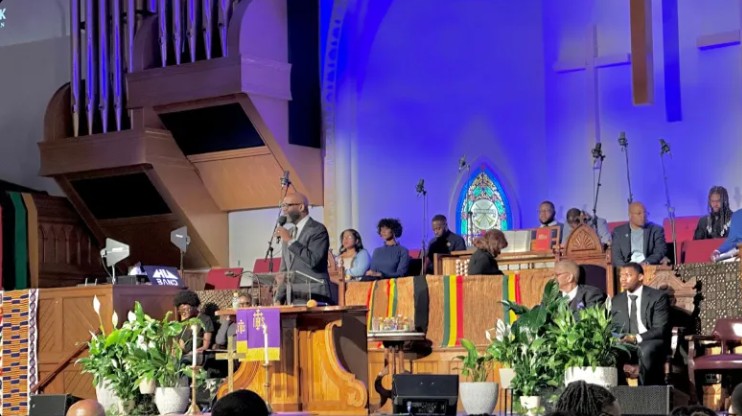
The report, titled “Affordability Challenges for African Americans in Nashville: Enduring Legacies. Emerging Issues,” was unveiled during a morning event at West End Community Church, where community leaders, elected officials, and advocates gathered for a detailed overview of the findings. The program also featured a keynote address from civil rights activist and Vanderbilt University professor Dr. Michael Eric Dyson.

According to the report, while Nashville continues to experience strong economic growth, the benefits are not being shared equally. African American households are disproportionately impacted by rising costs tied to housing, transportation, healthcare, and other essentials.
Metro Social Services Executive Director Renée Pratt said the findings reflect what the agency sees daily.
“We see some of Nashville’s most vulnerable on their toughest days when they haven’t eaten, don’t have a place to call home, and are grappling with other financial barriers,” Pratt said. “Though many suffer the burden of financial challenges, some groups experience a deeper suffering, as our reports show.”
Among the report’s key findings, the overall poverty rate in Nashville stands at 11.9%, representing roughly 83,898 residents. For African Americans, that rate rises to 18%. The report also highlights disparities in employment, noting that African American workers face higher unemployment rates and lower wages compared to their White counterparts, even with similar levels of education.
Housing costs continue to be a major driver of financial strain. Nearly half of all renters in Nashville are considered “cost-burdened,” meaning they spend more than 30% of their income on housing. African American households are disproportionately represented in that group, a trend the report links to both current economic conditions and long-standing structural barriers.
The study also points to broader quality-of-life disparities. Life expectancy for African American residents in Nashville is approximately five years shorter than for White residents, reflecting ongoing gaps in health outcomes and access to resources.
Mayor Freddie O’Connell said the findings should serve as a call to action.
“These findings should challenge all of us to act with urgency and intention,” O’Connell said. “The good news is that our community has tremendous strength, and we are already building momentum—from new transit access in North Nashville to investments in affordable housing and support for minority-owned businesses.”
Researchers spent 11 months analyzing local and national data, identifying both historical and modern factors contributing to the disparities. The report points to issues such as redlining, displacement from urban renewal projects, and current labor market dynamics that continue to shape economic outcomes for African American residents.
Despite the challenges, the report highlights areas of progress, including growth in African American entrepreneurship and increased investment in community-based initiatives. Still, officials say more targeted efforts will be needed to close the gap.
Dr. Dyson closed the event with a keynote address that urged the community to confront systemic inequities and push for meaningful change.
Metro Social Services officials said the report will be used to guide future programming and policy recommendations aimed at improving economic stability and quality of life for Nashville residents.