For generations, Jefferson Street has stood as the cultural, educational and economic heart of Black Nashville. Now, city leaders and community stakeholders say a new planning effort could help shape the corridor’s next chapter—with residents playing a central role in the process.
The Jefferson Street Corridor study has released its draft corridor plan and is launching a new round of community engagement events aimed at gathering public feedback before recommendations are finalized.

The effort is part of Nashville’s voter-approved ‘Choose How You Move’ initiative and focuses on transforming Jefferson Street into what planners call a ‘complete street’—a corridor designed to be safer and more accessible for pedestrians, bicyclists, transit riders and motorists alike.
Upcoming public engagement events include an Open House on May 16 at Hadley Park Community Center, a ‘past–present–future’ panel discussion on May 18 at Pleasant Green Baptist Church, and two virtual open houses scheduled for June 4 and June 9.
Organizers say the study is about more than transportation improvements. For many residents, it is also about restoring connections to a community deeply impacted by decades of displacement, highway construction and economic change.
“Jefferson Street is more than a roadway. It’s part of Nashville’s cultural identity,” one community organizer involved with the engagement effort said. “We want improvements that make the corridor safer and more connected while preserving the history and spirit of the community.”
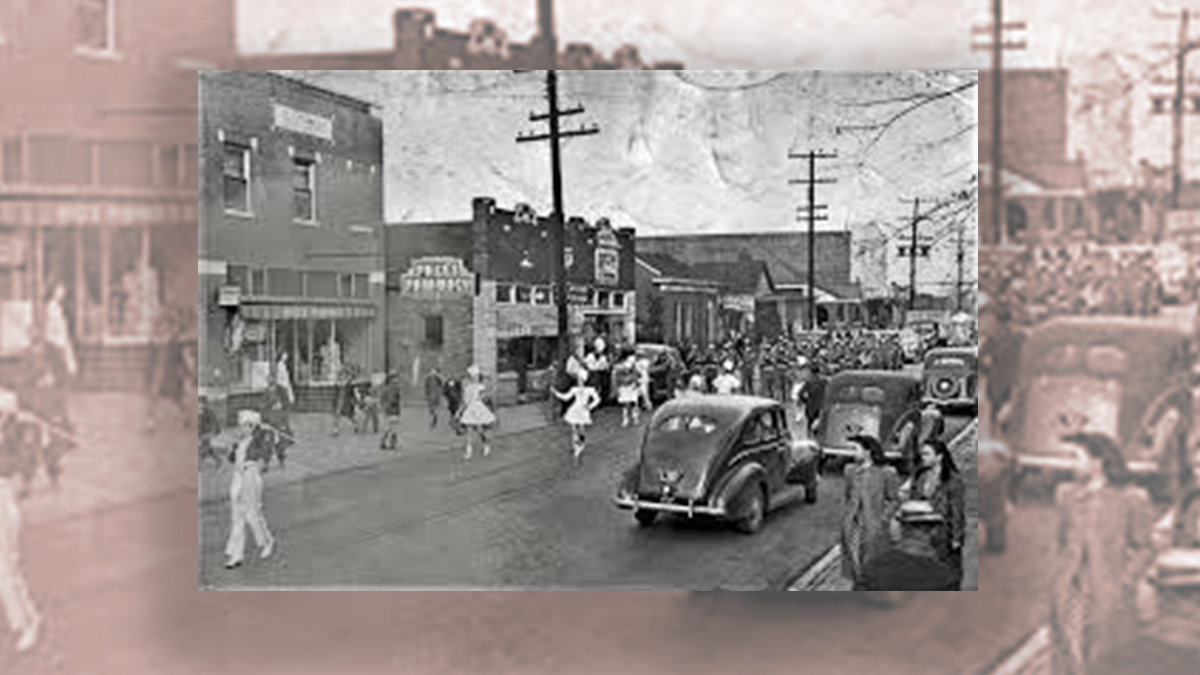
Dating back to the 1860s, Jefferson Street became a center of Black life in Nashville as African Americans who helped construct Fort Gillem (now the site of Jubilee Hall at Fisk University) settled in the surrounding area.
From the 1930s through the mid-1960s, Jefferson Street thrived during what many refer to as its ‘Golden Age.’ The corridor was home to Black-owned businesses, restaurants, entertainment venues and community institutions that served as gathering places during segregation.
Music legends including James Brown, Ray Charles, B.B. King, Jimi Hendrix and Little Richard performed at clubs along the corridor, helping establish Jefferson Street as one of the South’s most important centers of Black music and culture.
That prosperity was dramatically altered in the 1960s with the construction of Interstate 40. Community leaders and historians have long argued the interstate devastated North Nashville neighborhoods and disproportionately targeted Black communities.
According to historical documentation cited in the study, an earlier interstate route would have largely affected White-owned businesses and institutions. However, the final route cut directly through North Nashville and Jefferson Street, resulting in the demolition or relocation of approximately 128 Black-owned businesses—nearly 80% of Nashville’s African American proprietorships at the time.
Nearly 1,400 residents were displaced by the interstate project, which also created barriers between neighborhoods and the city’s historically Black colleges and universities, including Tennessee State University, Meharry Medical College and Fisk University.
The study notes that residents are still dealing with the long-term impacts of those decisions, while also facing modern pressures such as gentrification, the effects of the March 2020 tornado and economic disruptions caused by the COVID-19 pandemic.
Project leaders say the current planning process is intended to ensure the community has a stronger voice this time.
The Jefferson Street Corridor Study includes a 21-member Community Advisory Board made up of residents and stakeholders connected to the corridor. The board participates in meetings throughout the process, helping relay concerns, ideas and priorities from the broader community.
The study area stretches from Rosa L. Parks Boulevard to Ed Temple Boulevard and 28th Avenue North. Jefferson Street has also been identified as part of Nashville’s High-Injury Network under the city’s Vision Zero safety plan due to above-average crash risks.
Officials say the study will examine traffic safety, transit access, pedestrian and bicycle infrastructure, land use, housing, business activity and public spaces while exploring design alternatives for the corridor. One proposed concept still under discussion includes a possible interstate cap over I-40.
The project includes approximately $3 million for the study phase, though construction costs have not yet been determined.
Metro’s Nashville Department of Transportation and Multimodal Infrastructure and the Nashville Planning Department are leading the study alongside consulting firm Kimley-Horn and Associates and a team of planning and engagement specialists.
Organizers say the ultimate goal is to create a safer, more connected corridor while honoring the historic character and legacy of Jefferson Street.
Community members are encouraged to attend upcoming meetings, review the draft corridor plan and share feedback before recommendations move forward.