CHICAGO, Ill. — Thousands gathered on Chicago’s South Side June 18 to celebrate the opening of the Obama Presidential Center, a project years in the making that supporters say is unlike any presidential library or museum ever created.
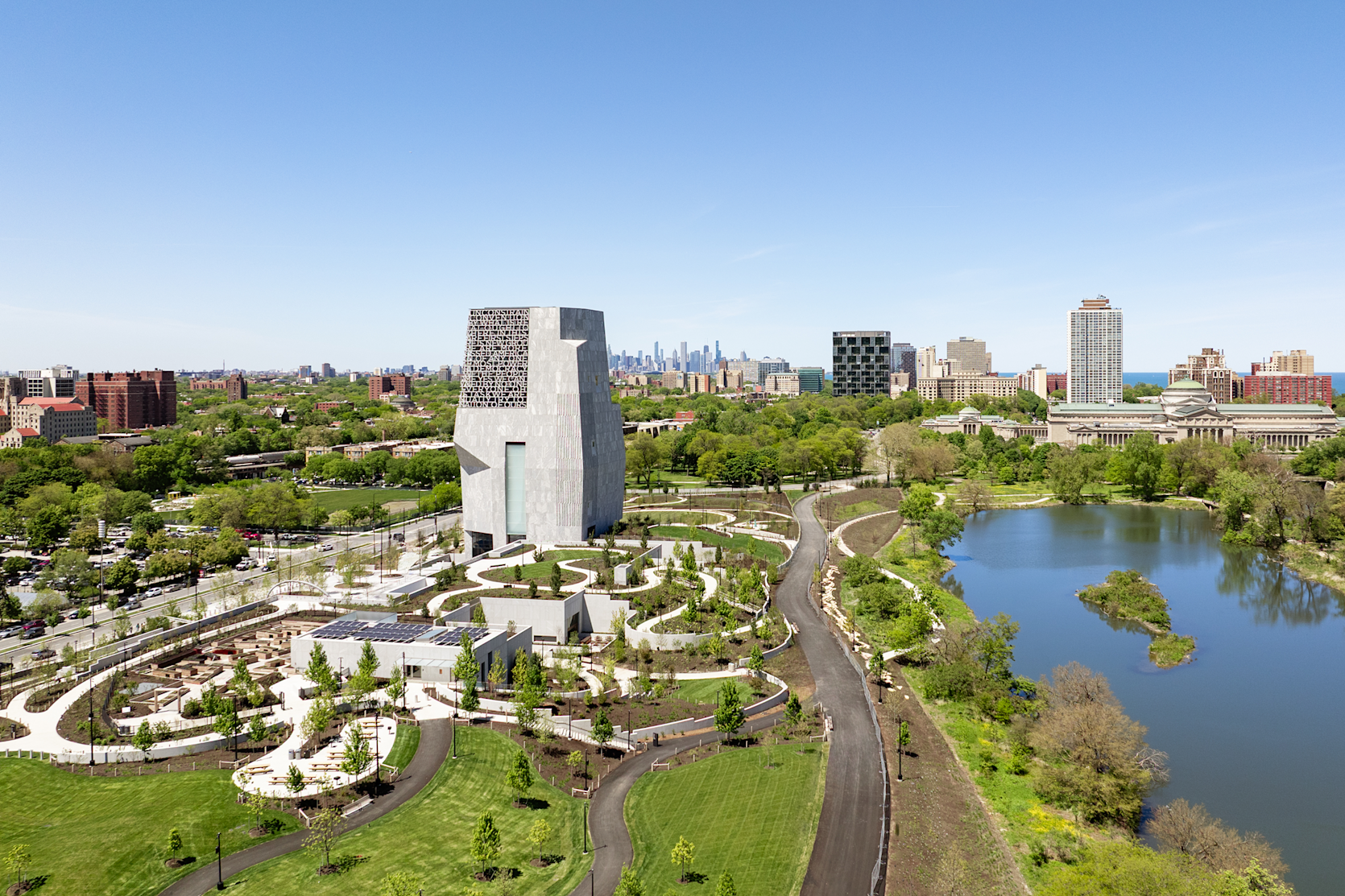
Located on a 19.3-acre campus in historic Jackson Park, the Obama Presidential Center officially opened to the public on Juneteenth, June 19, following a star-studded dedication ceremony attended by former presidents, world leaders, artists, community activists and more than 6,000 invited guests. The campus is expected to attract more than 700,000 visitors annually while serving as a cultural, educational and community hub for residents and visitors alike.

While presidential libraries traditionally focus on preserving records and artifacts, the Obama Presidential Center was designed to be something broader: a living civic campus dedicated to inspiring public service, community involvement and leadership for future generations. The center includes a museum, a Chicago Public Library branch, community gathering spaces, athletic facilities, gardens, public art installations and expansive outdoor spaces that are open free of charge to the public.
During the dedication ceremony, former President Barack Obama emphasized that the center’s purpose extends beyond documenting his administration.
“The exhibits here focus not just on policies, but on the shared values that make democracy possible,” Obama said.
That philosophy is reflected throughout the campus, which encourages visitors not only to learn about history but also to consider their own role in shaping the future. Exhibits explore the Obama presidency alongside social movements, civic participation and the power of ordinary people to create change. Visitors can walk through a replica of the Oval Office, explore interactive exhibits, visit the library, attend performances and community events, or simply enjoy the campus’s public green spaces.
The emotional centerpiece of the ceremony came when former First Lady Michelle Obama reflected on the journey that brought the couple from Chicago’s South Side to the White House and back again.
“You told me all those years ago that you couldn’t promise me the world, but you could promise me an interesting life,” she said while addressing her husband. “And of course you outdid yourself and managed to give me both.”
The heartfelt remark drew a standing ovation and reportedly brought the former president to tears.
For many attendees, the moment captured the spirit of the day—a celebration not only of a presidency but of perseverance, public service and the belief that ordinary people can make an extraordinary impact.
The center’s location carries special significance. Chicago’s South Side played a defining role in both Barack and Michelle Obama’s lives. Before entering national politics, Obama worked as a community organizer in Chicago, while Michelle Obama was born and raised on the South Side. The couple has long spoken about the area’s influence on their values and commitment to public service.
The center also represents a major investment in the surrounding community. In addition to creating jobs and attracting tourism, supporters believe it will serve as an educational resource and gathering place for generations to come. The campus features more than two dozen public art installations, a regulation-size basketball court known as Home Court, the John Lewis Plaza, gardens honoring influential women, and spaces designed specifically for youth programming and leadership development.
The opening ceremony reflected the broad influence of the Obama legacy. Former Presidents Bill Clinton, George W. Bush and Joe Biden joined former first ladies Hillary Clinton, Laura Bush and Jill Biden on stage, while performers including Stevie Wonder, Jennifer Hudson, Common, John Legend, Bruce Springsteen and Bono participated in the celebration.
Ultimately, the Obama Presidential Center stands apart from traditional presidential institutions because its focus is not solely on preserving the past. Instead, it seeks to inspire future generations to become active participants in democracy and community life.
As visitors begin exploring the new campus, the center serves as a reminder of one of Obama’s enduring messages: Meaningful change is possible when ordinary people come together in pursuit of a common purpose.