
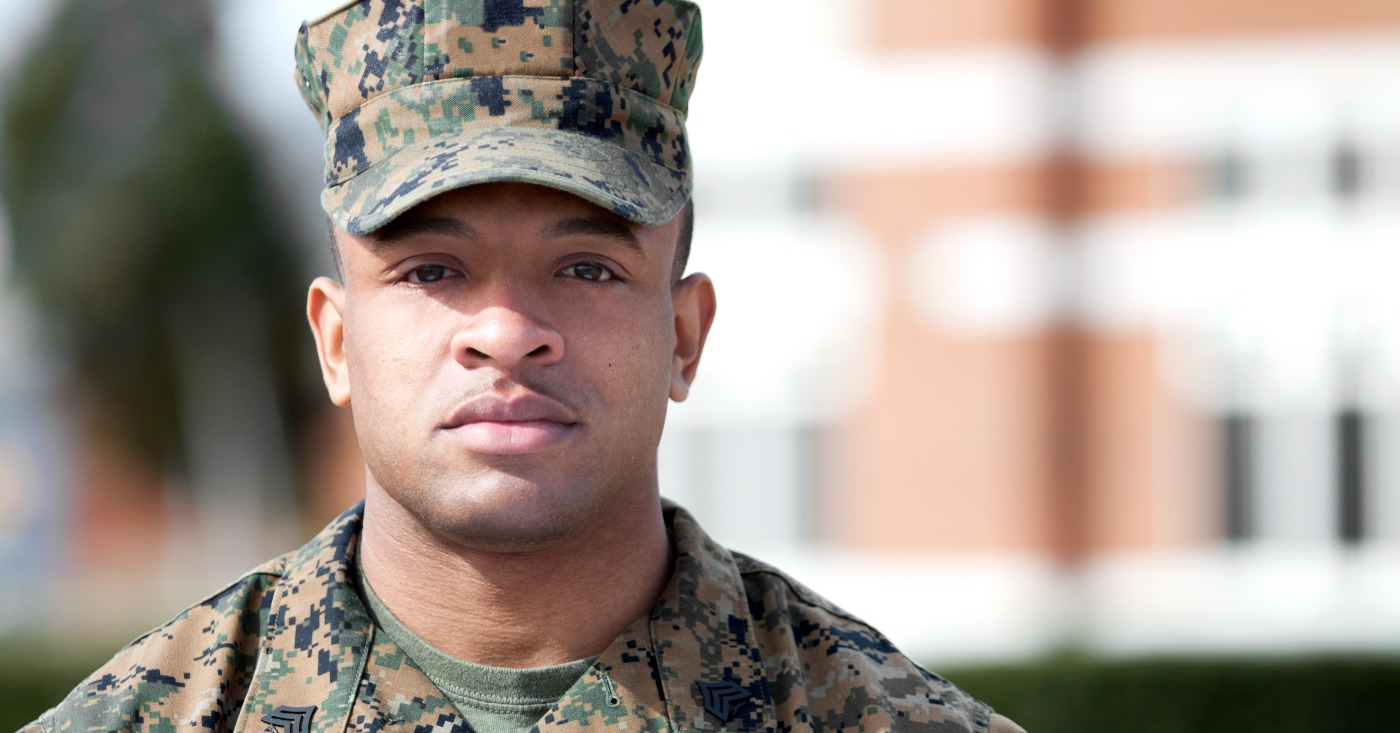
I graduated from Marine Corps boot camp a couple weeks before September 11, 2001. I had no idea how profoundly 9/11 would change the trajectory of my life.
I went on to deploy to Iraq and Afghanistan. Between deployments, I worked at the Wounded Warrior Battalion in San Diego, supporting Marines as they rebuilt their lives. What I did not understand was how deeply I was absorbing their grief and losses.
That became clearer when I later deployed to Afghanistan during one of the deadliest periods of the war for Marines. I purposefully stopped counting the flag-draped coffins as they were loaded onto planes to return home, swallowing my grief so I could return to the mission.
I became paralyzed watching young Marines go outside the base, thinking about their families and whether they would see them again. I began hallucinating that wounded Marines I cared for were walking toward me in the war zone. I now recognize that, alongside my own PTSD, I was carrying secondary PTSD from caring for wounded Marines.
With every loss, I swallowed what I felt just to keep functioning. I kept moving forward, until everything I buried became impossible to ignore.
I did not recognize what was happening until five years after returning home. I sought help. Therapy helped me feel less alone, but my symptoms continued to affect my life and relationships.
My experience is not unique. 870,000 veterans receiving VA health care were diagnosed with PTSD in 2024. Since 9/11, nearly 150,000 veterans have died by suicide. Many continue searching for relief after available treatments have failed.
That is why veterans are cautiously hopeful about psychedelic treatments.
Studies of psilocybin for treatment-resistant depression show significant reductions in depressive symptoms, with up to one-third of patients achieving remission in some trials. Research involving veterans with PTSD found that 75% were in remission one month after psilocybin treatment.
I followed the research before pursuing psilocybin treatment myself. During that experience, I was finally able to access the grief I spent decades burying. It did not erase what happened or the memories of the Marines I lost. It changed my relationship with those memories. They no longer controlled my life.
I reconnected to the self I had lost and was able to feel joy and love again.
Psychedelic medicines are not a cure-all. But veterans pursuing them are not looking for shortcuts. Many have spent years doing everything the medical system asked while continuing to search for relief.
Our government is beginning to recognize the potential of new approaches.
This year, President Trump signed an executive order to accelerate research and reduce barriers to psychedelic treatments for serious mental illness. VA is conducting clinical trials of MDMA for PTSD and psilocybin for depression. In July, FDA finalized guidance for clinical trials involving psychedelic drugs.
If these treatments receive FDA approval, the healthcare system must be ready to deliver them responsibly — through DEA action, clear safeguards, and VA facilities prepared to provide care.
Our country asks a great deal of those who serve. If evidence demonstrates that these treatments are safe and effective, veterans should not wait years longer because Washington failed to prepare for success.
(Juliana Mercer is a Marine Corps veteran and executive director of Healing Breakthrough. A version of this column was published in Stars and Stripes.)