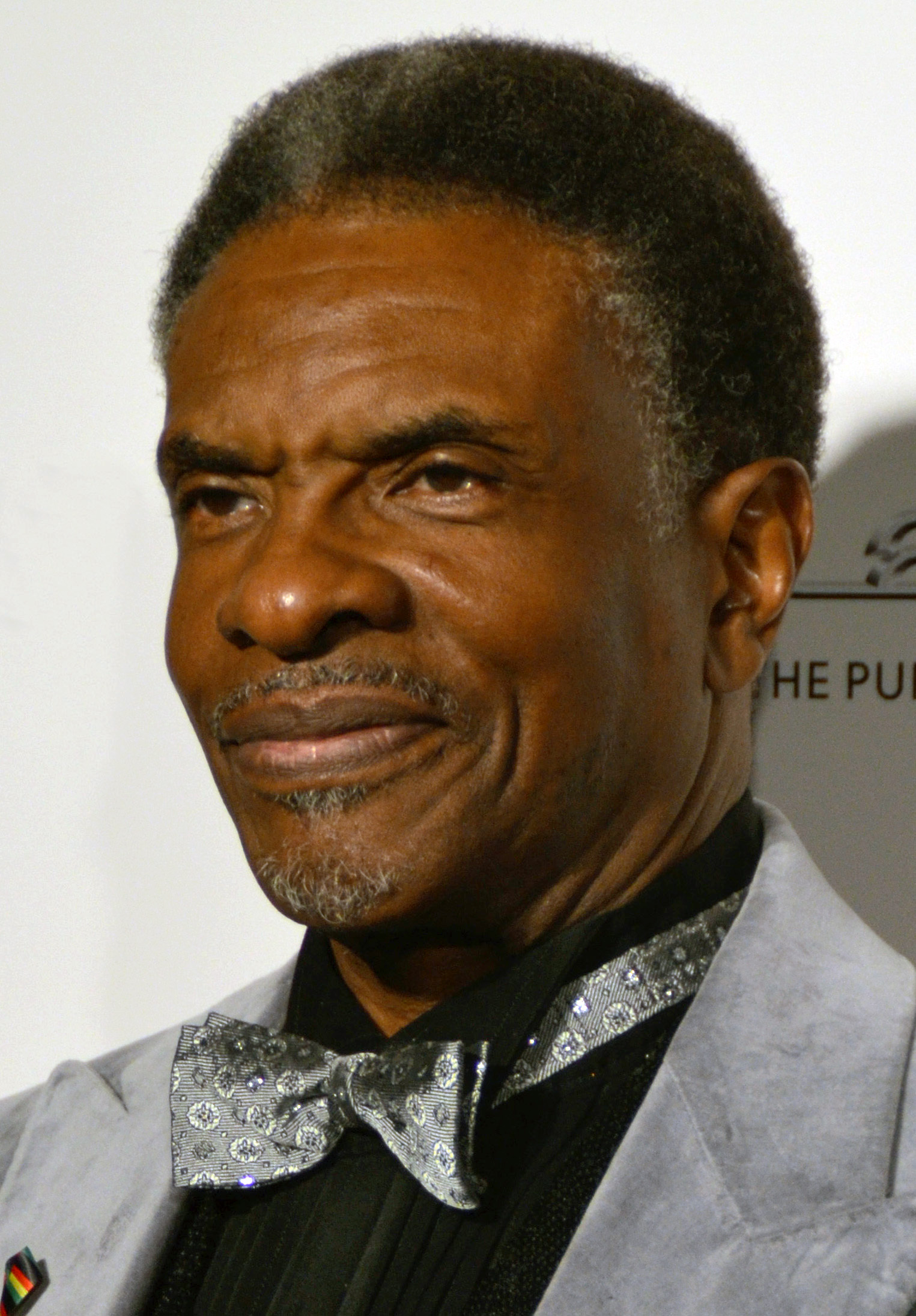
Crime and Punishment in America is a four – part series, directed by Lynn Novick, that tells the story of criminal justice in America from the colonial era to today, and explores how for more than 250 years, Americans have wrestled with the problem of crime, the purpose of punishment and the meaning of justice. Executive produced by Ken Burns and Sam Pollard, this series explores arguments Americans have had over the meaning of justice for more than 250 years. Narrated by Keith David, Samuel L. Jackson leads a distinguished voice cast.
The series will air over four consecutive nights, beginning Monday, November 16, at 7:00 CST on PBS, locally on PBS Nashville, Channel 8.1 over the air; check your local listings. A House of Repentance (Beginnings to 1880) airs Monday; The Criminal Type (1880-1929) airs Tuesday; Public Enemies (1929-1969); and the finale Tough On Crime (1970-Onward) airs Thursday. After each initial 7 p.m. broadcast, it will repeat each evening at 9 p.m. and again at midnight. It is also available on the PBS App and PBS.org across iOS, Android, Roku, Apple TV, Amazon Fire TV, and Smart TVs.
To address the problem of crime in their new nation, Americans developed a new system of punishment. Instead of being whipped, shamed, or executed in the public square, which was thought of as ineffective and cruel, people who broke the law would be locked away in prisons and penitentiaries, where they were expected to repent, and return to society reformed.
A sweeping look at the American criminal justice system, from the origins of prisons and policing to our continued fascination with crime, the film traces the contours of our imperfect system and how it influences nearly all parts of our society: the media, economics and politics. Through the voices and testimony of those who have committed crimes, experienced incarceration, enforced the law, or lost loved ones to violence, the series explores the cost of America’s choices and the enduring tension between crime and punishment, vengeance and mercy, justice and redemption.
The primary voice actors and narrators for the series include: Keith David (Narrator), Samuel L. Jackson, LaTanya Richardson Jackson, Laura Linney, Bobby Cannavale, David Hyde Pierce, Matthew Rhys, Michael Stuhlbarg, Corey Stoll, BD Wong, Bill Camp, Hugh Dancy, and Jon Proudstar. Additional voice talent includes Betsy Aidem, Kiowa Gordon, Michael Greyeyes, Harry Lennix, Josh Lucas, Clarence Maclin, Elizabeth Marvel, Yuji Okumoto, Dave Quay, Jay O. Sanders, Chaske Spencer, Juson Williams, and Damian Young.
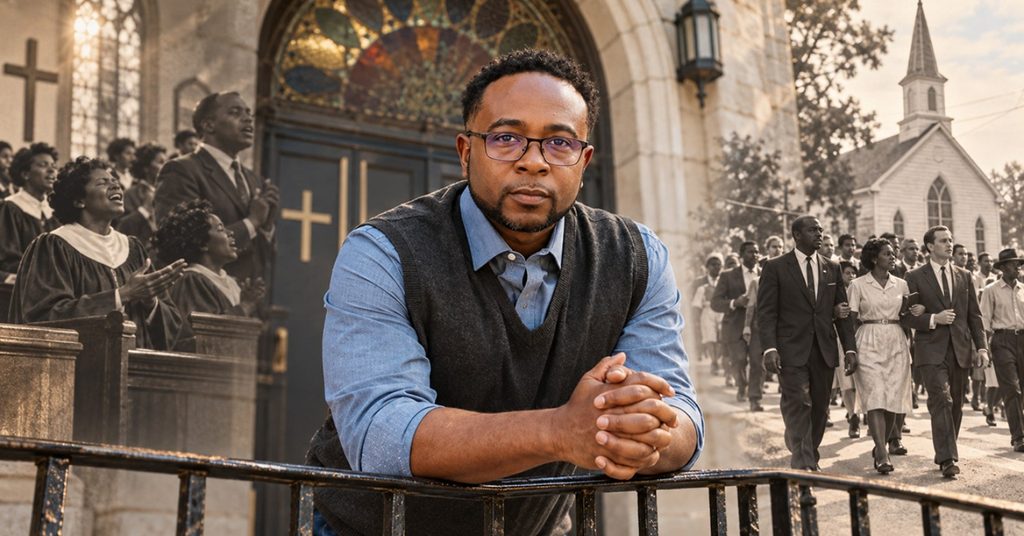
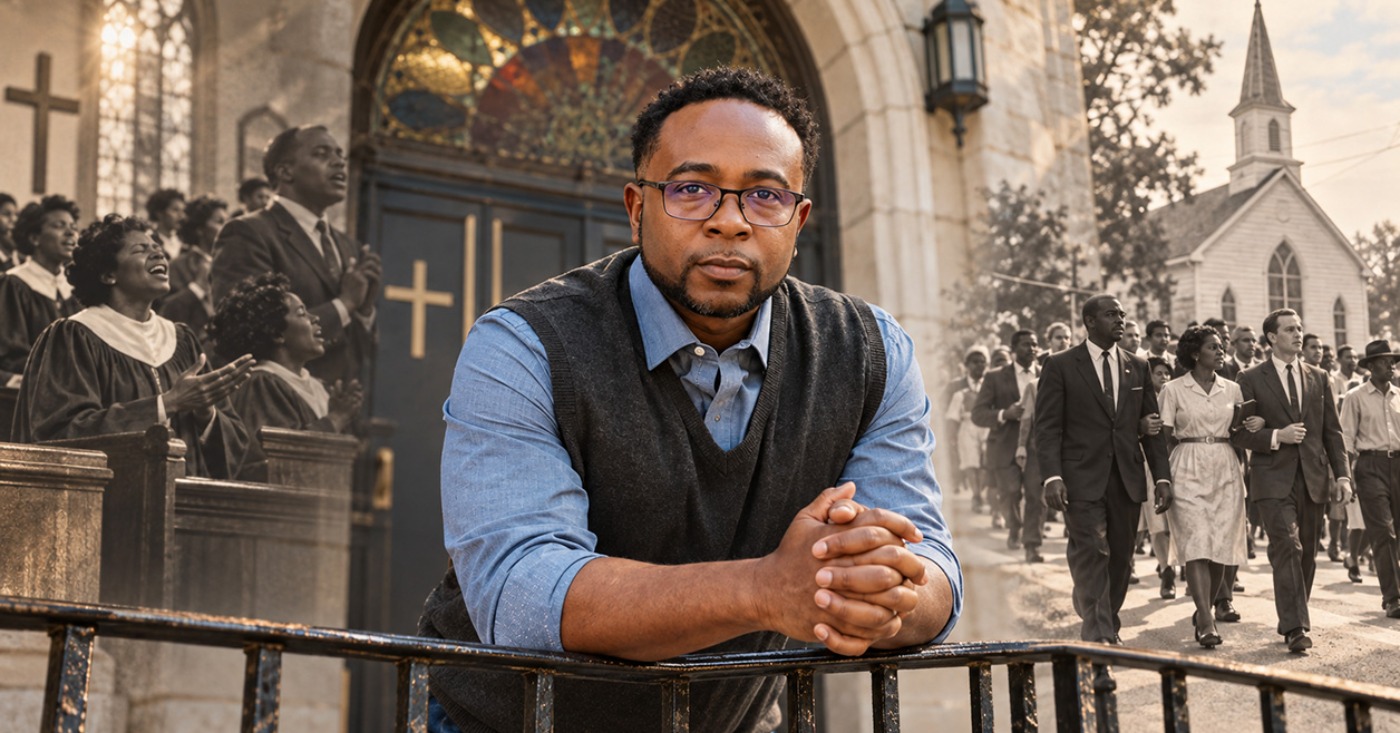
Go online at the PBS Nashville website anytime to watch A Slice of the Community, hosted by Jerome Moore. His episode “Does Criminal Punishment Keep Us Safe?” was taped on October 15, inspired by the PBS documentary Crime and Punishment in America. Jerome Moore joins Rahim Buford, Dr. James Pratt and Preston Shipp for a powerful conversation about crime, punishment, accountability, rehabilitation and redemption. They examine whether America’s approach to punishment truly keeps victims and communities safe.

Also coming soon to PBS Nashville is Stages of Nashville: Making a Performing Arts City, premiering Monday November 23 at 9:00 p.m. CST. Long before Nashville became known as Music City, the city was building another kind of cultural legacy; one shaped by theater, dance, opera, symphony, and the people who believed Nashville could become a major performing arts city. People like Martha Ingram, who believed the arts belonged to everyone, and she spent her life making sure Nashville had the stages, the institutions, and the support to make that true.
From the earliest theaters and performance spaces to the growth of struggling arts organizations, Stages of Nashville explores the people and pivotal moments that helped transform Nashville’s cultural landscape. At the center of the story is the creation of the Tennessee Performing Arts Center, a bold civic undertaking that brought together artists, philanthropists, business leaders and government officials to establish a permanent home for the performing arts in the heart of Nashville.
But building a performing arts city takes more than constructing a stage. It requires vision, investment, and a sustained commitment to making the arts accessible to the community. Stages of Nashville examines the artists, visionaries and civic leaders who helped shape that legacy, and the continuing work to sustain and expand it for future generations.