by Urban Journal News staff
NASHVILLE, Tenn. — Nashville small business owners now have an opportunity to secure financial assistance through two newly established incentive programs designed to preserve longtime neighborhood businesses, strengthen the local workforce and encourage economic development throughout Davidson County.
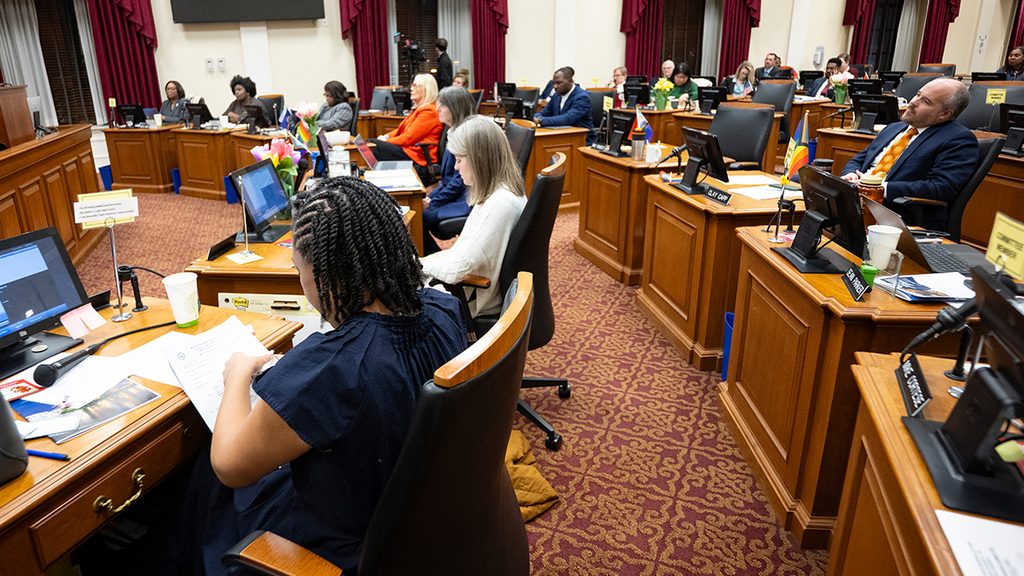
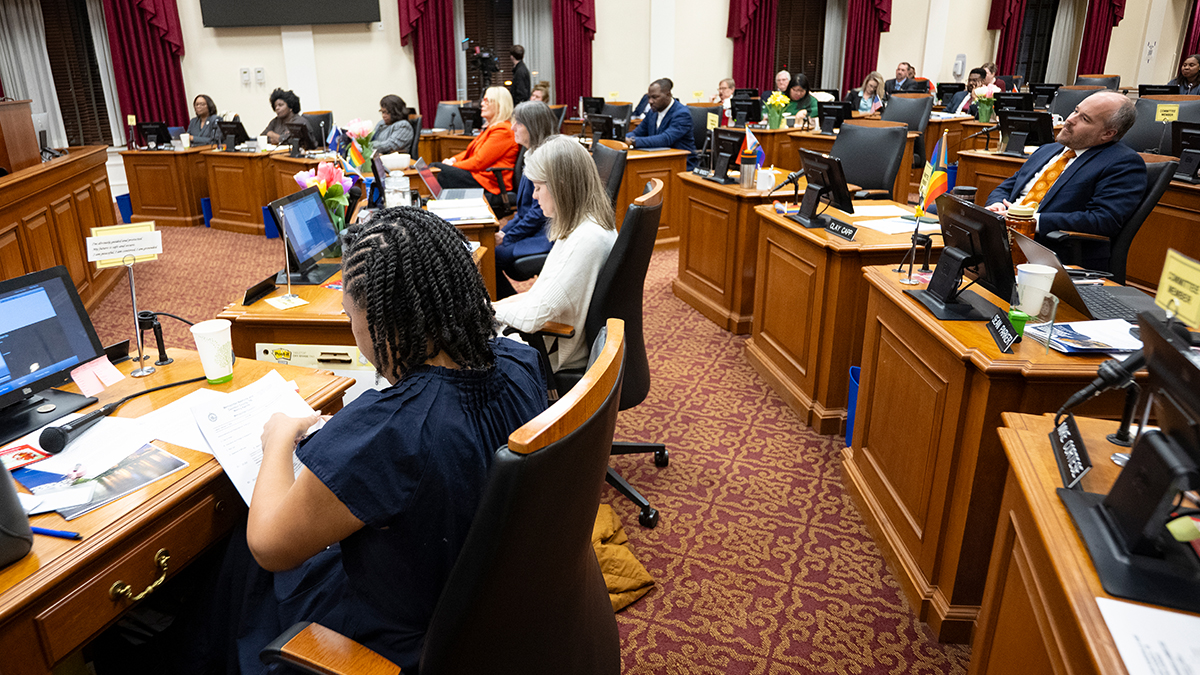
Mayor Freddie O’Connell announced that applications are open for the Legacy Business Program and Workforce Advancement Incentive, two initiatives approved by the Metro Council in October. The programs are part of a broader effort to help locally owned businesses remain competitive amid rising operating costs, neighborhood redevelopment and changing economic conditions.
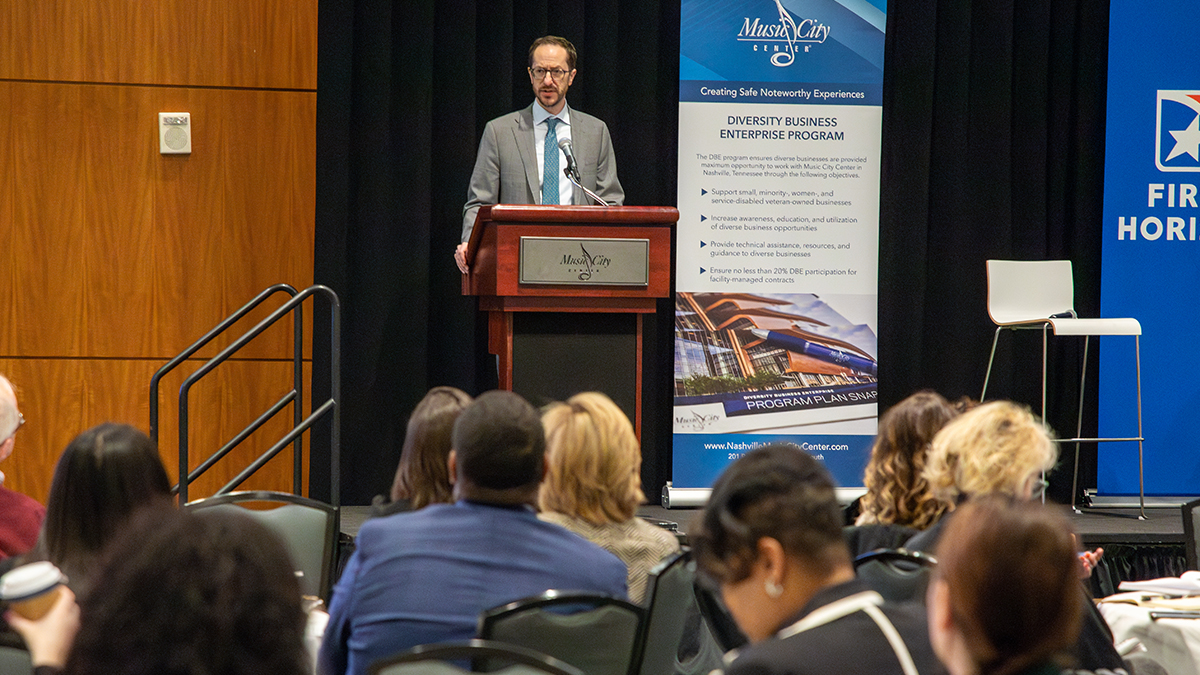
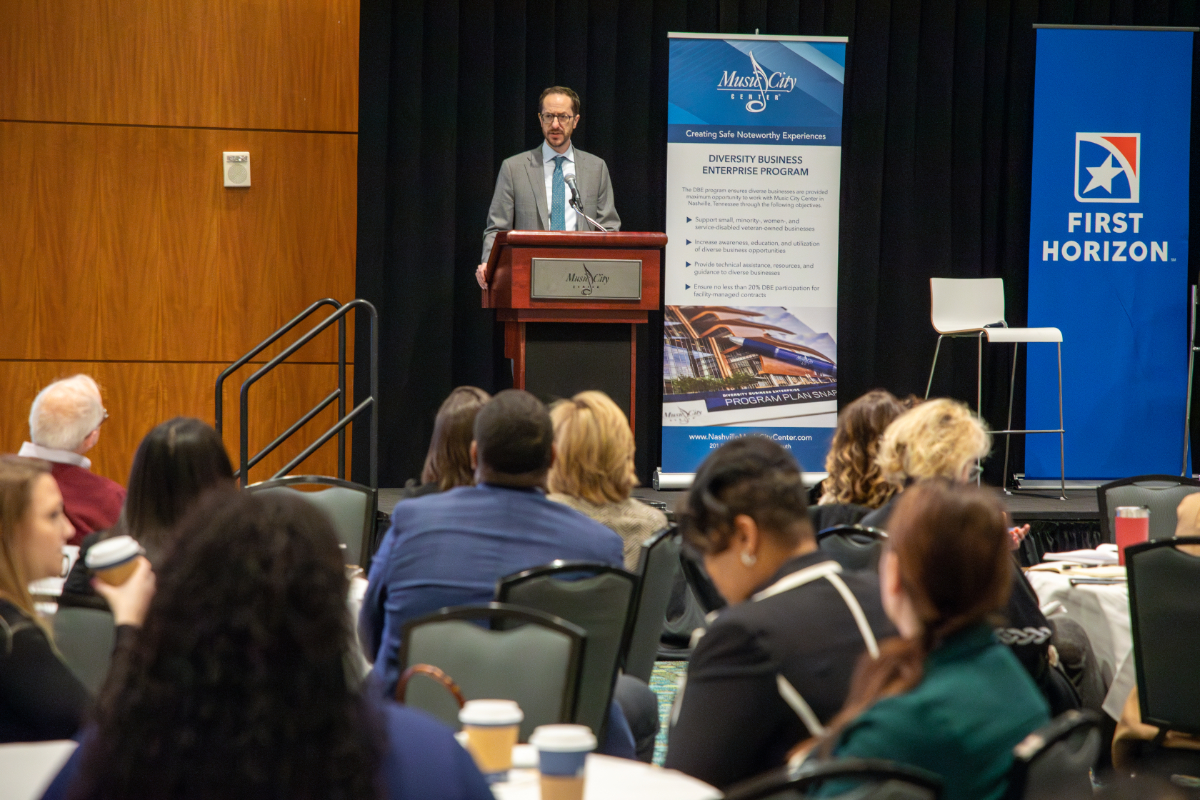
“Since we announced these programs, we’ve received immense interest in the Legacy Business Program and other new incentives,” O’Connell said. “These programs offer us a way to support the people who take the risk of building something special here in Nashville.”
The incentives are administered through the Mayor’s Office of Economic and Community Development and are available to eligible businesses with fewer than 100 employees worldwide and a physical location in Davidson County.
The Legacy Business Program is intended to preserve businesses that have operated in Nashville for at least 10 years and become important parts of their neighborhoods.

These businesses often serve as gathering places, provide employment opportunities and contribute to the cultural identity of their communities. In historically Black neighborhoods, where long time establishments have faced increasing pressure from redevelopment and rising property values, such assistance could help preserve businesses that have served generations of residents.
The program will provide grants for improvements that help businesses remain financially sustainable. Eligible uses include modernizing operations, reducing expenses, developing long-term business plans, strengthening resilience and investing in marketing.
More than $300,000 has been allocated for the program’s first-year pilot, with additional contributions expected to increase available funding.
Interested businesses have a 30-day application window to seek assistance. Initial grant recipients are expected to be notified in February 2027.
A second initiative, the Workforce Advancement Incentive Program, will provide grants of up to $10,000 to help small businesses recruit, train and retain employees.
The funding can support continuing education and workforce development programs that lead to professional certifications, including training offered by accredited organizations and qualifying business-led programs.
City officials say the initiative is designed to help businesses invest in their employees while creating opportunities for workers to develop new skills and advance their careers.
The Metro Council also approved significant changes to Nashville’s existing Property Investment Incentive Program, expanding eligibility and the types of improvements that qualify for financial assistance.
Previously, the program was limited to exterior improvements and commercial properties valued below $1 million. Under the expanded guidelines, commercial buildings valued at up to $2 million are eligible, and businesses may now seek assistance for interior improvements as well.
The program provides matching grants covering 50% of eligible construction or rehabilitation expenses, up to a maximum reimbursement of $50,000.
For example, an eligible business investing $60,000 in qualifying improvements could receive a $30,000 reimbursement, reducing its out-of-pocket investment to $30,000.
The expanded program could be particularly beneficial to small businesses operating in older commercial buildings that need renovations to remain attractive, functional and competitive.
The legislation establishing the new incentives was approved by the Metro Council on October 6, reflecting growing attention to the challenges facing Nashville’s small business community.
Following the vote, Mayor O’Connell emphasized the importance of protecting the businesses that contribute to the city’s identity.
“Nashville’s legacy businesses are more than places. They’re part of what makes this city home,” O’Connell said. “These programs help make sure we remain their home, too—and give the people who power them the tools to invest, grow, and build for the future.”
The programs come as Nashville continues to experience significant growth and redevelopment, creating opportunities for new businesses while increasing financial pressures on some long standing establishments.
City officials hope the incentives will encourage investment in neighborhood commercial corridors, support job creation and help preserve the local businesses that give Nashville its distinctive character.
Business owners interested in applying or reviewing eligibility requirements can visit <www.nashville.gov/smallbusiness> for additional information and application materials.