Gentrification in East Nashville has been gradually occurring for decades. Gentrification emerges when pockets of capital in deteriorating urban neighborhoods threaten to displace long-term residents. Yet a grassroots movement in an East Nashville neighborhood seeks to halt the destruction and displacement of its buildings and neighbors.
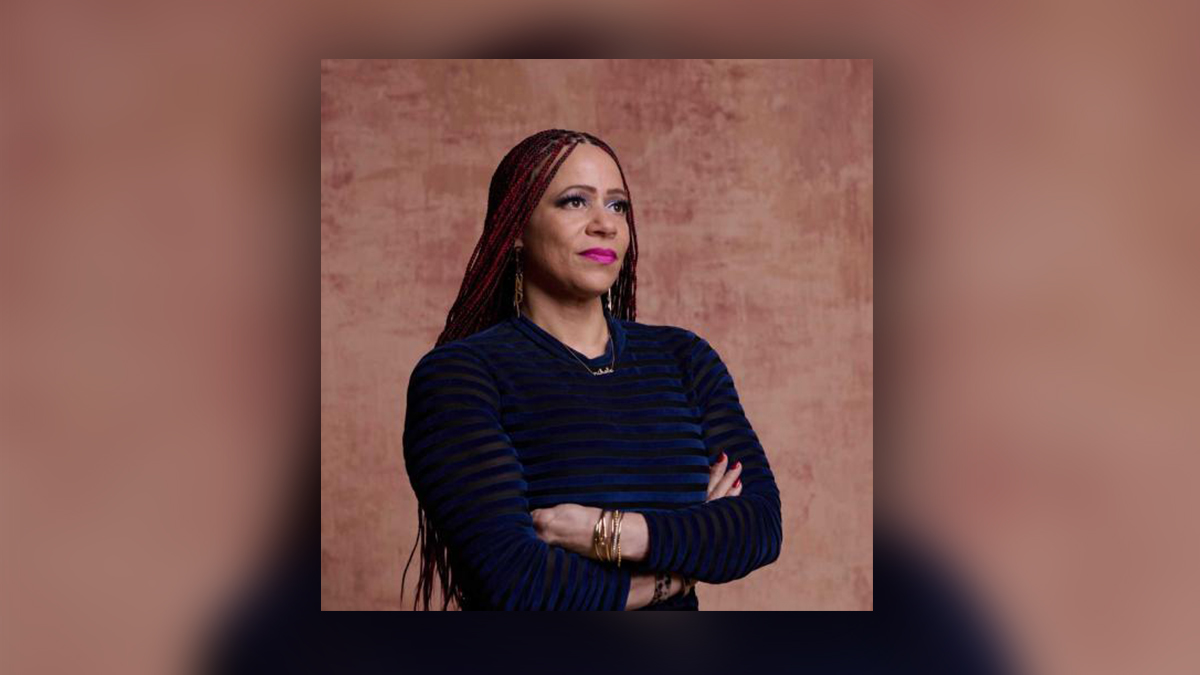
At the dim but cozy music venue, Douglas Corner Cafe, musicians in the group Shelby Bottom String Band tuned their guitars and warmed up their vocals during sound check. Nell Levin, a fiddle player and songwriter for the Shelby Bottom String Band, also is an activist who uses her music as a political platform.

“I’m somebody who believes very much in melding art and activism,” Levin said as the band rehearsed on stage. “I feel like art, music, can be very powerful when it comes to social change. You know music has the capacity of touching people’s heartstrings, and that oftentimes is much more powerful than all the policy stuff.”
Levin, who has served as the executive director of the Tennessee Alliance for Progress for fourteen years and is on the executive committee for Nashville Organized for Action and Hope, received a THRIVE arts grant from the Metro government. She wrote the song and produced a music video for “The Displacement Blues,” a ditty exposing gentrification and displacement in East Nashville. The song’s lyrics reveal a close-knit community in flux: “There were jams at twilight on my street, those banjos and fiddles sure sounded sweet. I used to love this old town, but now I can’t keep up with what’s going down,” she said.
While Levin acknowledges the positives of gentrification, she also is aware of how it negatively impacts the area.
“It’s great that gentrification is coming into my neighborhood, which is Lockland Springs, and it’s really coming into my neighborhood. I’ve got five coffee houses I can walk to now, I’ve got a bunch of restaurants, the value of my house has gone up a whole bunch,” Levin observed. “That’s all great, but there are people that were in the neighborhood that aren’t there anymore. They have been displaced as a neighborhood changes, as the demographics of the neighborhood changes.”
Levin noted the negative consequences of Lockland Springs’ gentrification in ‘The Displacement Blues’: “Eviction notice on my door, there’s a wrecking crew I can’t ignore/ Going to smash my home, down to the ground, you know I can’t keep up, with what’s going down,” the lyrics read.
The displacement of residents from Lockland Springs has trickled down to the District 5 community of Cleveland Park.
“That neighborhood is being affected by what’s going on in Lockland Springs because people are leaving our neighborhood and looking for places where they can live. And over there, housing is still somewhat affordable,” Levin said. “But it’s rapidly disappearing because the developers are coming in. You know, they see cheap houses they can tear down and build two on the lot. That neighborhood is really in turmoil right now.”
Levin organized a grassroots meeting to discuss a community plan for the residents of District 5 at the Cleveland Park Community Center. Over 40 people signed in for the meeting, including a resident who has lived in the area since the 1954.
Residents in attendance discussed numerous answers to gentrification, including accessory dwelling units, cheaper, smaller, detached apartments built behind a house that also add income for the landowner. Dane Forlines, a neighborhood resident and policy consultant, believes they can prevent migration to other communities.
“I know a lot of people, my neighbors, that are looking for housing in the area. They can’t find a place they can afford, so they end up going to a farther flung area like Madison or Antioch, or somewhere like that,” Forlines said. “So if they can find those accessory units with an affordable rent, they can stay in the neighborhood.”
Levin’s song and advocacy work has ignited a grassroots effort to address the issue of gentrification in East Nashville. Her work is an example of music intertwining with the city in, well, Music City.