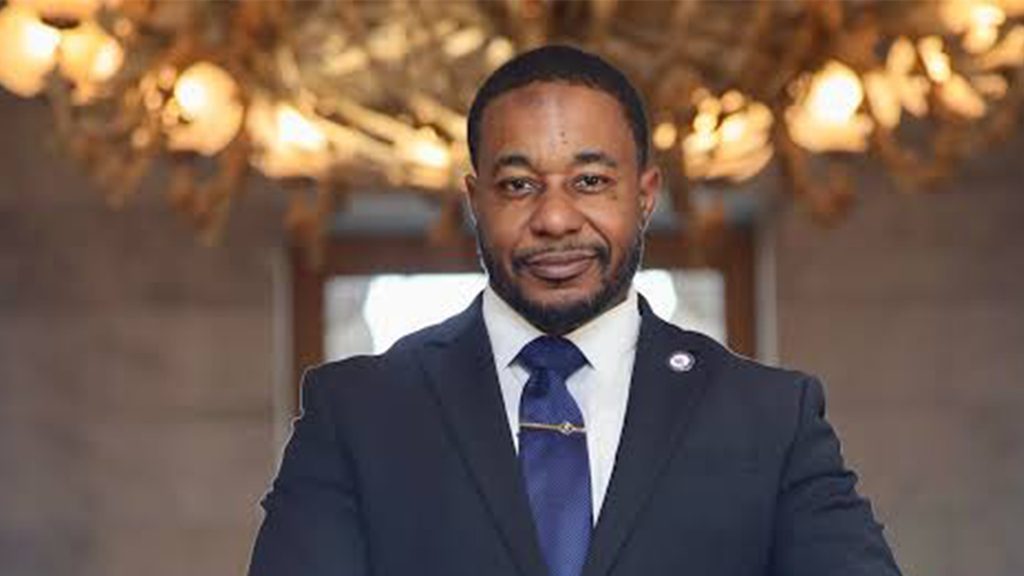
Nick Cocchi would like to be the sheriff of Hampden County, an Eastern Massachusetts county of half a million people.
Springfield, Massachusetts, a city that is about 22% African American, is the county seat. Eastern Massachusetts (and indeed, much of New England) is experiencing the devastating fallout from the heroin and opioid abuse epidemic. The Centers for Disease Control and Prevention say that deaths from heroin overdoses have quadrupled in the past decade, and that heroin use has doubled among Whites. Thus, it is entirely appropriate that Mr. Cocchi’s candidate website includes a page that talks about opioid abuse in Hampden County.
Far less appropriate, and indeed, repugnant, was a statement that Cocchi made when he testified at a November hearing before the Massachusetts Joint Committee on Mental Health and Substance Abuse. According to Victoria Kim, a writer for The Fix, a newspaper that reports on addiction and recovery issues, : “What was once the heroin junkie in the dark inner-city back alley has now become brother, sister, mom, dad, son and daughter. It’s hit suburbia U.S.A.”
Should the issue of addiction be treated more compassionately and humanely now that it has “hit suburbia U.S.A.?” Wasn’t that “heroin junkie in the dark inner-city back alley” somebody’s brother, sister, mother, dad, son or daughter? This is why it is so important to lift up the Black Lives Matter movement. Cocchi has, implicitly, said that he values the person in suburbia U.S.A. more than the person in the inner city. And his characterization of the inner-city drug abuser as someone in a back alley reeks of his biases.
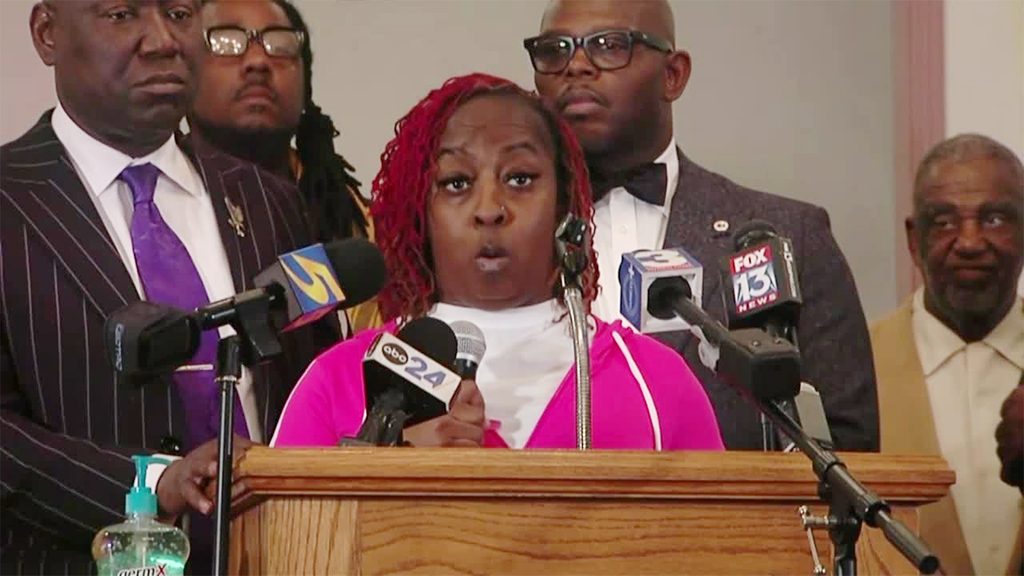
Bishop Talbert Swan II, the president of the Springfield NAACP and pastor of Spirit of Hope Church of God in Christ, strongly objected to the racially coded language that Cocchi used to talk about the problem of addiction. He is not the only person who has noticed the increasingly humane way addiction is being managed as the epidemic devastates the White community, in contrast to the way addiction has been managed in the past (consider the language around the crack epidemic) or even now, when African Americans are addicts. Even Cocchi’s use of is term ‘junkie’ lacks humanity. To call someone a ‘junkie’ is far less humane than calling them an addict.
Before voters support Cocchi in his quest for sheriff, they might push him to get some sensitivity training. They might also ask if he would treat the inner city addict differently than he would treat one from a Hampden suburb. The larger question, though, is why is there such sudden empathy for addicts–an empathy that was utterly lacking when the increase in crack addiction devastated the African American community and when zero tolerance policies and mandatory drug sentencing placed people who were seriously ill behind bars for decades? Addiction, after all, is more an illness than a crime.

In Gloucester, a city about 40 miles north from Boston, heroin and opioid addicts who voluntarily turn themselves in at the police station are provided with treatment services, and not charged with any crime. The program has gotten national attention. Some addicts from outside Massachusetts have come to Gloucester because they can’t find affordable drug treatment where they live. Imagine that there were such a program for crack addicts when the inhumane “war on drugs” was little more than a war on Black people.Even as I applaud the new empathy toward addicts, I mourn the years that so many have spent behind bars, denied of the kinds of ‘innovative’ treatment options available in Gloucester.
Irreparable damage was done to the African American community, especially the inner city community, because of the draconian and racist ‘War on Drugs.’ Now, because the face of addiction has changed, so has public policy, and treatment options are preferred to incarceration options. Even as today’s addicts are being treated more humanely, where is the compassion for the addicts of two decades ago, many remaining incarcerated? are a step in the right direction toward repairing individual lives. Is there a step our nation might take to repair the lives of these individuals and their communities?
(Julianne Malveaux is an author, economist and founder of Economic Education. Her latest book Are We Better Off? Race, Obama and Public Policy is available to order at <www.juliannemalveaux.com>.)