Historic election sends five Black governors to office and gives Democrats control of Congress
Democrats scored sweeping victories in Tuesday’s midterm elections, capturing control of both chambers of Congress, winning governorships in several Republican-held states and making history with the election of five Black governors who will serve simultaneously for the first time in American history.
The November 3 elections delivered a major setback to President Donald Trump and the Republican Party, reflecting voter concerns about rising living costs, inflation, foreign policy and the direction of the country.
Democrats gained more than two dozen seats in the U.S. House of Representatives and flipped at least seven Republican-held Senate seats, securing majorities in both chambers.
The shift will significantly change the balance of power in Washington during the final two years of Trump’s presidency. Democrats will gain control of congressional committees, legislative priorities and oversight investigations, giving them greater authority to examine administration policies and challenge presidential initiatives.
House Minority Leader Hakeem Jeffries of New York is positioned to become the first Black Speaker of the House in American history when the new Congress convenes in January.
Beyond the congressional victories, the election produced an unprecedented milestone in Black political representation.
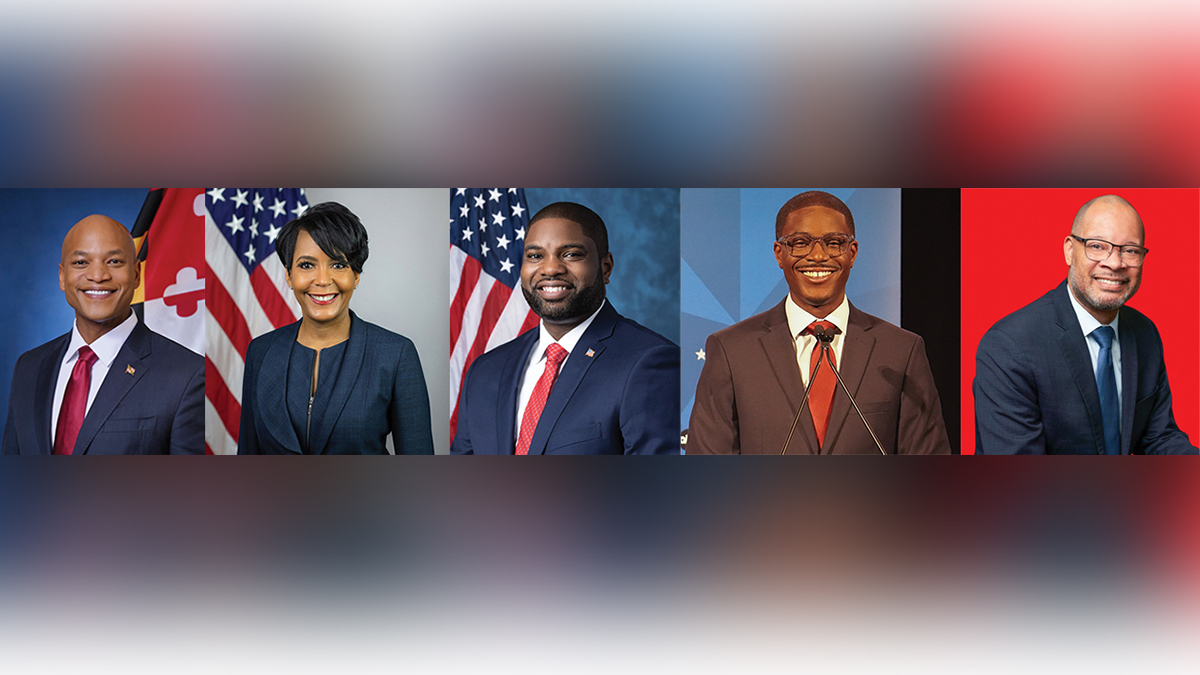
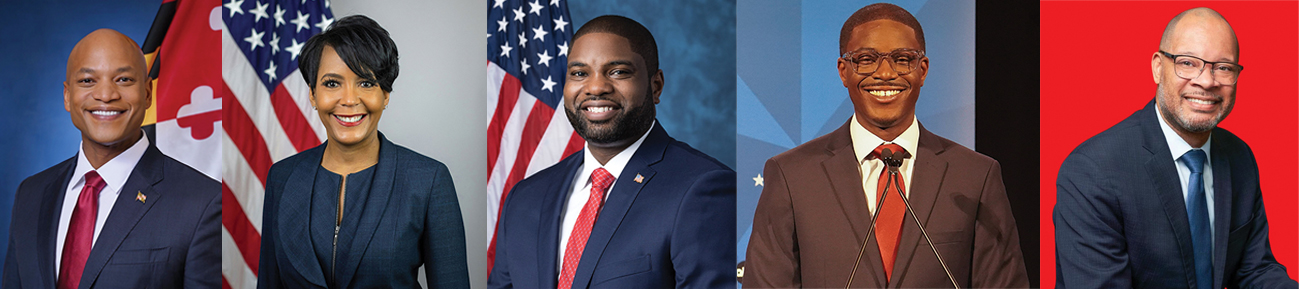
For the first time, five Black governors will serve simultaneously, a remarkable development in a nation where only three Black Americans had previously won election to govern a state.
In Georgia, former Atlanta Mayor Keisha Lance Bottoms became the first Black woman elected governor in United States history. Her victory also returned the governor’s office to Democratic control.
In Maryland, Gov. Wes Moore won reelection, continuing his tenure as the state’s first Black governor.
Florida voters elected Republican U.S. Rep. Byron Donalds, making him the state’s first Black governor. His victory demonstrated that the historic gains in Black gubernatorial representation crossed party lines.
In Wisconsin, Milwaukee County Executive David Crowley became the state’s first Black governor, while Nevada Attorney General Aaron Ford defeated the Republican incumbent to become Nevada’s first Black governor.
The victories represent a dramatic expansion of Black representation in state executive leadership. Before this election, L. Douglas Wilder of Virginia, Deval Patrick of Massachusetts and Moore were the only Black Americans elected governor by voters.
Other Black governors have served after succeeding to office, including P.B.S. Pinchback in Louisiana during Reconstruction and David Paterson in New York.
The election also produced other historic firsts.
In Texas, Democrat Gina Hinojosa defeated Republican Gov. Greg Abbott, becoming the state’s first Latina governor and its first Democratic governor since Ann Richards left office in 1995.
Former U.S. Interior Secretary Deb Haaland won the New Mexico governor’s race, becoming the first Native American woman elected governor of a state.
Democrats Amy Acton in Ohio and Rob Sand in Iowa also captured governorships previously held by Republicans.
In the Senate, Michigan Democrat Abdul El-Sayed became the first Muslim elected to the chamber. Illinois Democrat Juliana Stratton’s victory will bring the number of Black women serving simultaneously in the Senate to a record three, joining Angela Alsobrooks of Maryland and Lisa Blunt Rochester of Delaware.
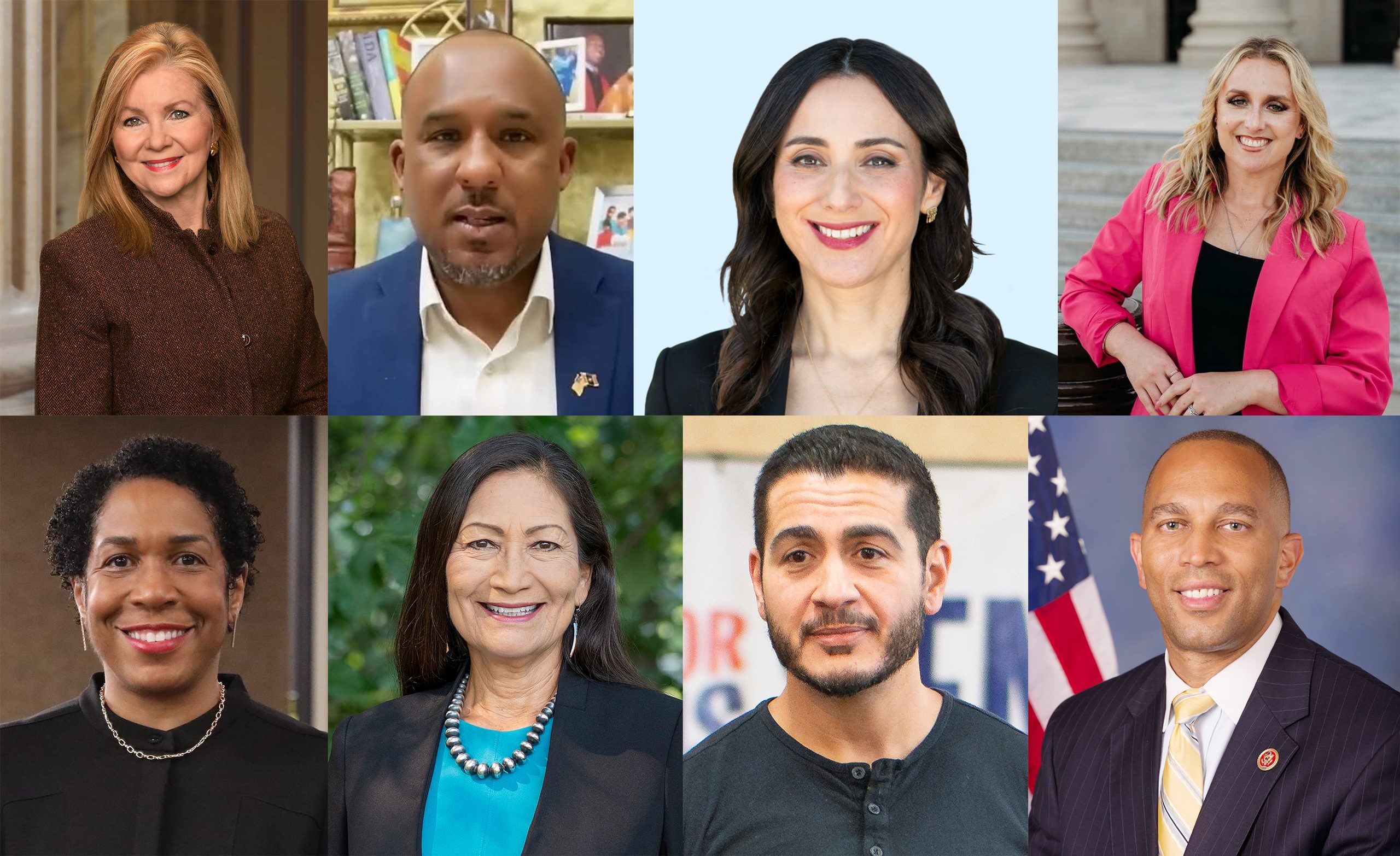
Despite the Democratic gains nationally, Republicans maintained their dominance in Tennessee’s statewide elections.
Republican U.S. Sen. Marsha Blackburn was elected Tennessee’s first female governor, while Republican Bill Hagerty won another term in the U.S. Senate.
Blackburn’s election will create a Senate vacancy when she leaves her current office to become governor. Her successor will be selected under Tennessee’s procedures for filling a vacant U.S. Senate seat.
However, Democrats made a notable breakthrough in Tennessee’s congressional delegation.
In the 4th Congressional District, Democrat Victoria Broderick emerged with a narrow lead over longtime Republican incumbent Scott DesJarlais in unofficial election returns, putting a reliably Republican seat within Democratic reach.
The exceptionally close contest highlighted the competitive nature of an election in which Democrats made gains even in districts that had strongly favored Republicans. DesJarlais has represented the district since 2011.
The election followed a controversial redrawing of Tennessee’s congressional districts earlier this year, which divided portions of Shelby County among several districts and eliminated the previously Democratic-held Memphis congressional seat.
In the newly configured 9th Congressional District, Republican state Sen. Brent Taylor held a narrow advantage over Democratic state Rep. Justin J. Pearson, one of the lawmakers nationally recognized as part of the Tennessee Three.
Pearson carried Shelby County by a substantial margin but faced stronger Republican support in the district’s more rural counties.
Following the election, Pearson emphasized the importance of counting every ballot and continuing to organize throughout the district.
“At this point, we want everybody’s ballots to be counted,” Pearson said.
He also expressed optimism about the relationships developed during the campaign.
“We’re making inroads, we’re building relationships and connections that are going to outlast a single campaign,” Pearson said.
Republicans also prevailed in closely contested congressional races elsewhere in Tennessee. Johnny Garrett defeated Democrat Mike Croley in the 6th District, while incumbent Matt Van Epps defeated Democrat Darden Copeland in the 7th District.
Democrats retained several Nashville-area legislative seats, including victories by Justin Jones, John Ray Clemmons, Mark Proctor and Shaundelle Brooks.
Tennessee voters also approved three proposed amendments to the state Constitution.
Nationally, the results marked a substantial shift in political power, with Democrats benefiting from voter dissatisfaction over economic conditions and administration policies.
Associated Press voter polling identified concerns about the cost of living, inflation, the war with Iran and government corruption among the issues influencing voters.
Although Republicans will retain control of the White House, Democratic majorities in Congress will provide new opportunities for legislative oversight and negotiations over federal spending, immigration, health care and other national priorities.
For Black Americans, the election carries additional historical significance.
Five Black governors serving simultaneously, three Black women in the U.S. Senate and the prospect of the first Black Speaker of the House represent a level of political representation that would have been unimaginable for much of the country’s history.
The new Congress and incoming governors will take office in January, beginning a new chapter in American politics following one of the most consequential midterm elections in recent years.