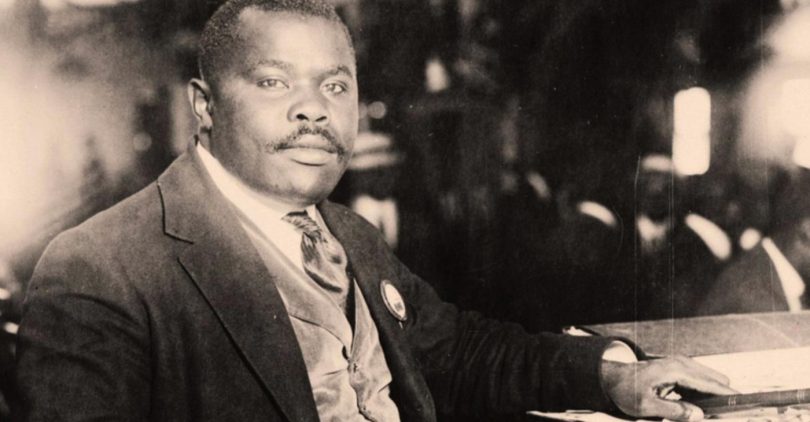
In one of his final acts in office, President Joe Biden posthumously pardoned Marcus Mosiah Garvey, Jr., a seminal figure in the civil rights movement whose advocacy for Black nationalism and self-reliance left an indelible mark on leaders like Malcolm X and movements across the Black diaspora.
Born on August 17, 1887, in Saint Ann’s Bay, Jamaica, Garvey was the son of a stonemason and a domestic servant. His journey to becoming a leader began after traveling to Latin America and studying in London, where he was influenced by Pan-African nationalism.

Garvey founded the Universal Negro Improvement Association (UNIA) in 1914, advocating for Black nationalism through African history and cultural celebration. His ambitious efforts included the establishment of the Black Star Line, a Black-owned passenger line designed to facilitate the ‘back to Africa’ movement, and various economic enterprises like restaurants and shopping centers to foster Black economic independence. Despite facing relentless criticism and legal challenges, including a controversial mail fraud conviction in 1923 that many believe was politically motivated, Garvey’s vision and tenacity spurred a global movement.
Biden’s broad act of clemency also included others like Don Scott, the current Speaker of the Virginia House of Delegates, who transformed a past drug conviction into a catalyst for advocacy in criminal justice reform. Ravi Ragbir, an immigrant rights activist; Kemba Smith Pradia, a former drug offense convict turned prison reform advocate; and Darryl Chambers, a Delawarean who now studies and writes about gun violence prevention, were also granted clemency.
Garvey’s legacy, though marred by controversies, including his interactions with White supremacists and criticism from Black leaders like W.E.B. Du Bois, has continued to inspire countless individuals within the Nation of Islam, the Black Power movement, and the Rastafari movement. Many, including most Congressional Black Caucus members, said Garvey’s posthumous pardon serves not only as a correction of historical injustices but also as a powerful affirmation of his enduring influence on Black empowerment and self-determination.
The White House proclaimed that Biden’s term has been distinguished by a robust commitment to civil rights. Officials said the commitment is evident in significant legislative achievements and proactive executive actions to foster racial equity. His administration pursued an ambitious equity agenda through legislation like the American Rescue Plan and executive orders to dismantle systemic barriers.
Administration officials noted that, as Biden prepares to leave office, his record on equity and justice, marked by these recent pardons, is further proof of his unwavering dedication to building a more inclusive America. They said Garvey’s pardon not only rectifies a historical wrong but also powerfully reaffirms his enduring legacy—a legacy that continues to inspire a movement for dignity and self-determination among Black communities worldwide.