

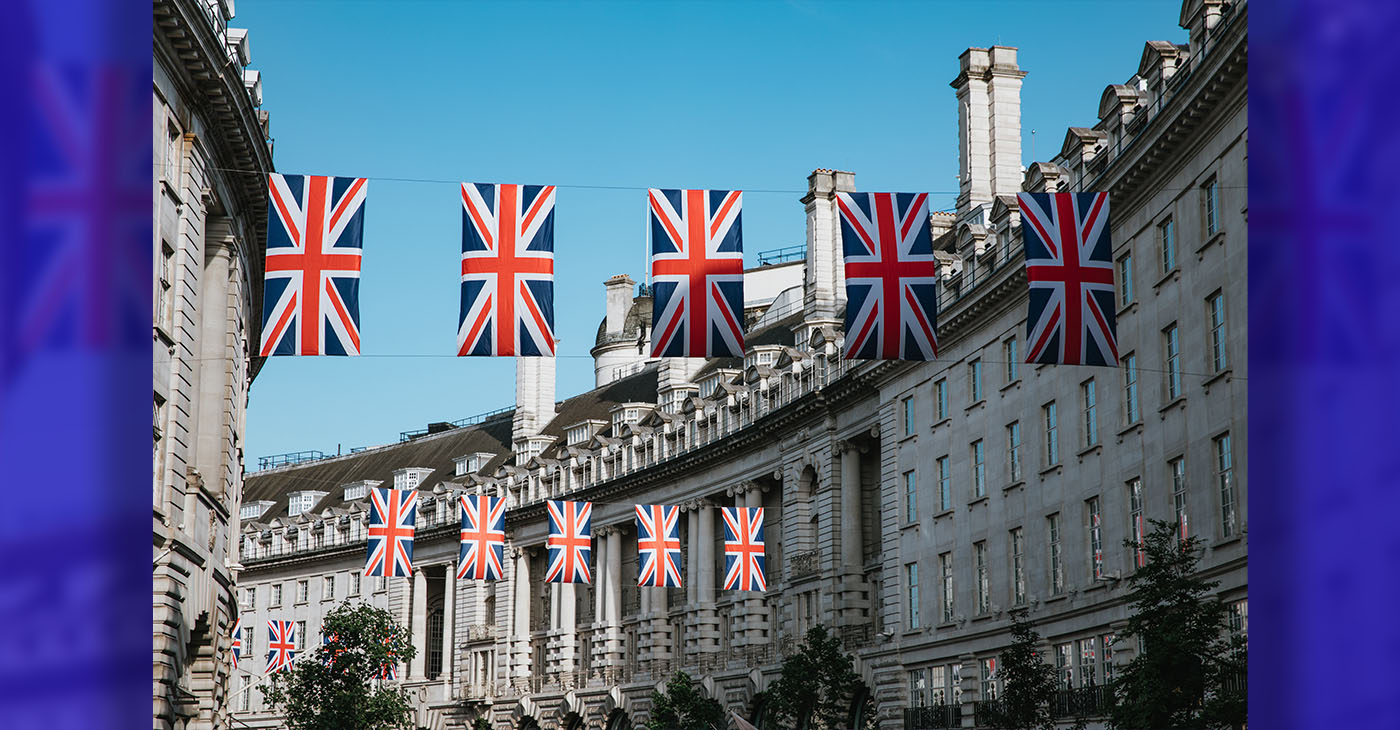
Donald Trump has expressed support for the United States becoming an “associate member” of the British Commonwealth, responding to a report in The Sun that King Charles might extend such an offer during Trump’s upcoming state visit to the United Kingdom. “I love King Charles. Sounds good to me!” Trump wrote online. The Sun cited a “secret offer” in development following a Daily Mail report claiming discussions are underway “at the highest levels” to include the U.S. in the Commonwealth of Nations. While the British government deferred to Buckingham Palace, some officials in the Labour government view the monarchy as a diplomatic bridge to Trump, who has publicly praised the royals.
The proposal, if true, sparked concern in the U.S. given its historical split from British rule. The American Revolution, launched in 1776 with the Declaration of Independence, was a rejection of British monarchy, high taxation without representation, and the forced quartering of British troops. The U.S. break from Britain was rooted in ideals of liberty, while also entangled with the transatlantic slave trade Britain helped build. The founding document declared that all people have the right to life, liberty, and the pursuit of happiness contradicted by the simultaneous enslavement of African people that Britain helped perpetuate through the transatlantic slave trade. British economic dominance in the 1600s and 1700s relied on enslaved labor across its colonies, particularly in the Caribbean and North America. Plantations producing sugar, tobacco, and other goods fueled England’s global rise.
Trump’s support for closer symbolic ties to the monarchy comes as his policies continue to draw fire, including signing sweeping executive orders rolling back diversity, equity, and inclusion (DEI) programs, restricting birthright citizenship, and increased deportation efforts. Critics say these moves mirror post-Reconstruction tactics that pushed African Americans back into second-class citizenship. Margaret Huang, president of the Southern Poverty Law Center, called recent attacks on DEI “a sanitized substitute for the racist comments that can no longer be spoken openly.” One political historian noted online: “This isn’t about diplomacy or nostalgia. It’s about rewriting the meaning of American independence.”