New and expanded resources will be available beginning April 27 for Nashville and Davidson County residents still recovering from the impacts of January’s Winter Storm Fern, as city leaders say recovery efforts remain ongoing months after the storm.
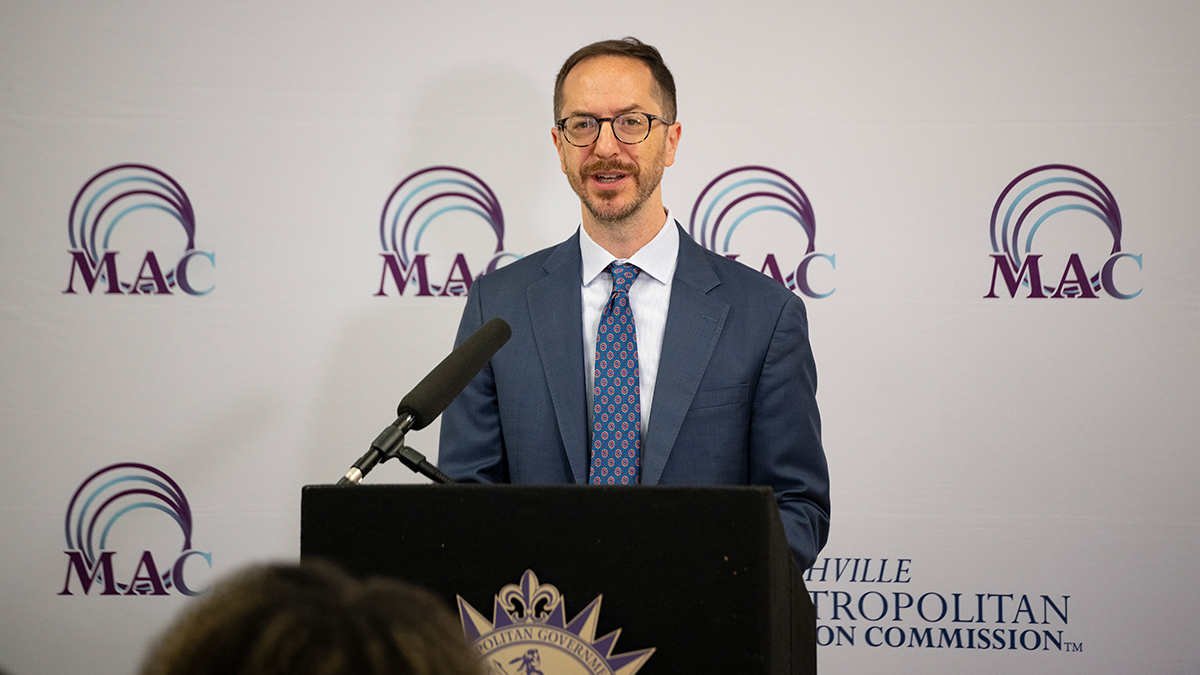
Mayor Freddie O’Connell joined local and federal partners in a recent update on the city’s ‘Restore Nashville’ initiative, emphasizing that financial assistance, cleanup efforts and volunteer support are still needed across the community.

“I want Nashvillians to know help is still available,” O’Connell said. “It’s expanding, and work is continuing to restore Nashville from the lingering impacts of the storm.”
One of the most significant updates is the reopening of applications for the Metro Action Commission’s Emergency Winter Housing Assistance Program on April 27. The program offers help with rent, mortgages and, newly added, utility assistance for residents who can demonstrate storm-related hardship, such as lost income, temporary hotel stays or property damage.
City officials said just over $700,000 is available through the program for eligible Davidson County residents.
In addition, a federal disaster declaration tied to the storm has expanded assistance through FEMA’s Individual Assistance program for residents in 29 impacted Tennessee counties. The program can help cover temporary housing, home repairs, replacement of essential personal property and other disaster-related needs.
Residents can apply through <DisasterAssistance.gov>, by phone or through the FEMA mobile app.
The U.S. Small Business Administration is also offering disaster loans to impacted homeowners, renters and business owners. Loan options include funding for physical property damage, economic injury and personal property losses, including vehicles. Some loans may be available for up to $2 million.
While new resources are becoming available, officials say previously established recovery efforts continue to play a critical role.
Local partners within the Volunteer Organizations Active in Disaster (VOAD) have raised $2.3 million to support recovery efforts, with $1.2 million already distributed to assist approximately 1,800 families. More than 3,900 residents have submitted requests for help through the city’s needs tracking system, and those still in need are encouraged to call 2-1-1.
Cleanup efforts also remain underway, with more than 1,000 properties still requiring assistance removing storm debris. Hands On Nashville is continuing to recruit volunteers to support what officials describe as the largest cleanup effort in the organization’s history.
To date, volunteers have led 117 cleanup projects, contributing more than 2,400 service hours.
“Nashville’s recovery depends on neighbors helping neighbors,” said Lori Shinton, chief growth officer for Hands On Nashville.
City officials also noted that the deadline to place storm-related debris at the curb passed on April 19, ahead of a final round of collections by the Nashville Department of Transportation and Multimodal Infrastructure.
According to Acting Director Phillip Jones, contractors have removed approximately 163,000 dump truck loads of debris (totaling more than two million cubic yards) since cleanup operations began.
“The amount of tree and vegetation debris created by this storm is almost incomprehensible and exceeds any storm event I’ve witnessed in my more than 30 years working in Nashville,” Jones said.
Despite the progress, city leaders stressed that recovery is far from complete and encouraged residents to take advantage of available resources as Nashville continues to rebuild in the weeks ahead.