As part of National Crime Victims’ Rights Week, state officials are working to raise awareness about resources available to support victims of violent crime, including financial assistance and new training tools for those who serve them.
The Tennessee Department of Treasury is spotlighting its Criminal Injuries Compensation (CIC) Program, which provides financial assistance to victims who have suffered personal injury as a result of a crime. The program is designed as a ‘fund of last resort,’ helping cover expenses not paid by insurance or other sources.
Observed April 19–25, this year’s National Crime Victims’ Rights Week carries the theme ‘Listen. Act. Advocate. Protect Victims, Serve Communities,’ emphasizing the importance of supporting survivors and strengthening community-based responses to crime.
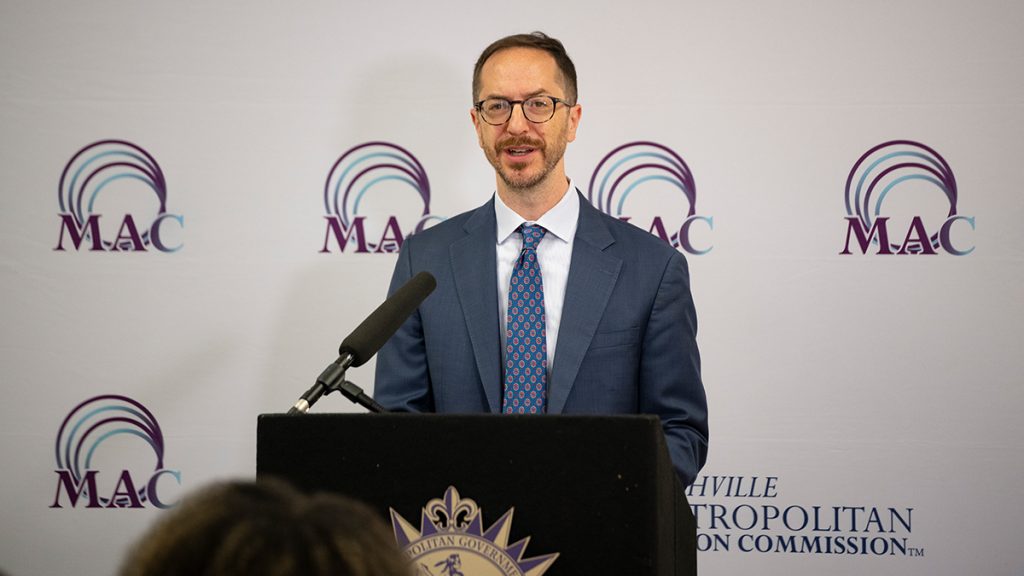
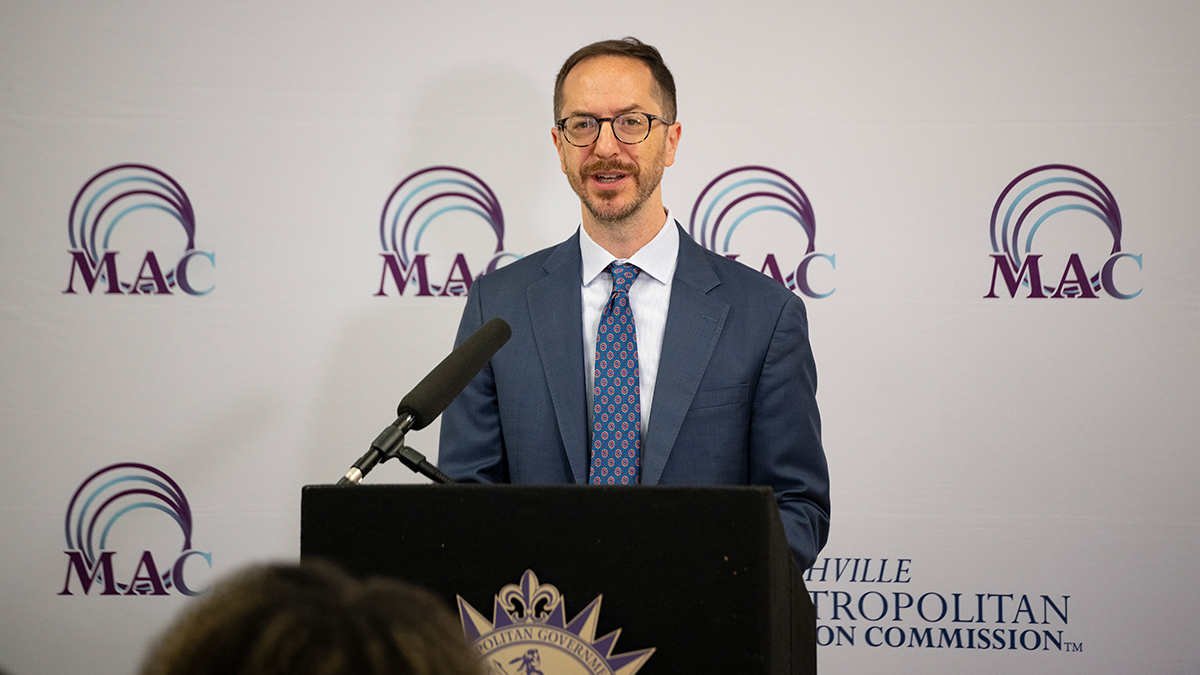
State Treasurer David H. Lillard, Jr. is encouraging nonprofits, churches, shelters and victim advocacy organizations to take advantage of new online training resources aimed at improving awareness of the program and how to access it.
“These tools are designed to help those working directly with victims better understand eligibility requirements and guide individuals through the application process,” officials said.
The CIC Program can provide up to $30,000 in assistance per claim for qualifying victims of violent crimes such as assault, homicide and sexual violence. Covered expenses may include medical bills, lost wages, mental health counseling and funeral costs, with funeral assistance capped at $6,000.
The program may also assist with costs related to cleaning a crime scene in a victim’s home and can provide financial support to dependents in cases where a victim dies as a result of a crime.
However, officials noted that certain expenses are not eligible, including property damage, identity theft losses, rent or utility bills and costs already covered by insurance or donations.
To qualify, victims must report the crime within 15 days, cooperate with law enforcement and submit a claim within two years. Applications can be completed online through the state’s website, and assistance is available through the Department of Treasury’s Division of Claims and Risk Management.
In addition to financial support, the state also highlighted the availability of its Safe at Home Program, which provides address confidentiality services for victims of domestic violence, stalking, human trafficking and sexual assault.
Officials say increasing awareness of these programs is critical, as many eligible victims may not know assistance is available.
For more information or to apply, residents can visit the state’s website or contact program representatives directly.
As communities observe National Crime Victims’ Rights Week, leaders say the goal is not only to provide resources but also to ensure victims feel supported, protected and empowered throughout their recovery.