Following the return of Donald Trump to the White House, his administration has moved swiftly to reverse a number of diversity, equity, and inclusion (DEI) policies established over previous decades. Trump and members of his administration have argued that White Americans, particularly White men, face discrimination, citing what they describe as a bias against White people.
Federal Bureau of Investigation (FBI) data from 2022, however, indicates that anti-Black hate crimes were the most frequently reported category, occurring at rates at least three times higher than anti-White hate crimes.
Among the early actions of Trump’s second term, the administration has signed executive orders aimed at reducing DEI programs across business, higher education, government, and the workplace. Trump has also pledged to impose financial penalties on schools he considers “too woke.”
Critical race theory (CRT) and broader discussions of systemic racism have also faced scrutiny, with some Republican governors, policymakers, and state legislatures advancing measures to limit how issues of race and history are taught in public education. Critics argue that these efforts amount to the whitewashing or erasure of aspects of Black history, while supporters of the legislation contend that such measures are necessary to maintain political and ideological neutrality in education.
In response to these developments, Black Voters Matter and The King Center announced a new partnership intended to mobilize and educate communities around civil rights principles. The initiative, MLK’s Letter from the Birmingham Jail: A Prophetic Guide to Power, Love, Protest, and Liberation, will use Dr. Martin Luther King, Jr.’s 1963 ‘Letter from Birmingham Jail’ as a framework to explore contemporary social justice challenges.
“This collaboration brings together Black Voters Matter’s grassroots organizing power with The King Center’s rich historical and educational legacy,” said King Center CEO Dr. Bernice King in a press release. She emphasized that the series, beginning in May, aims to connect new generations of activists with Dr. King’s teachings and to offer strategies for addressing present-day challenges facing marginalized communities.
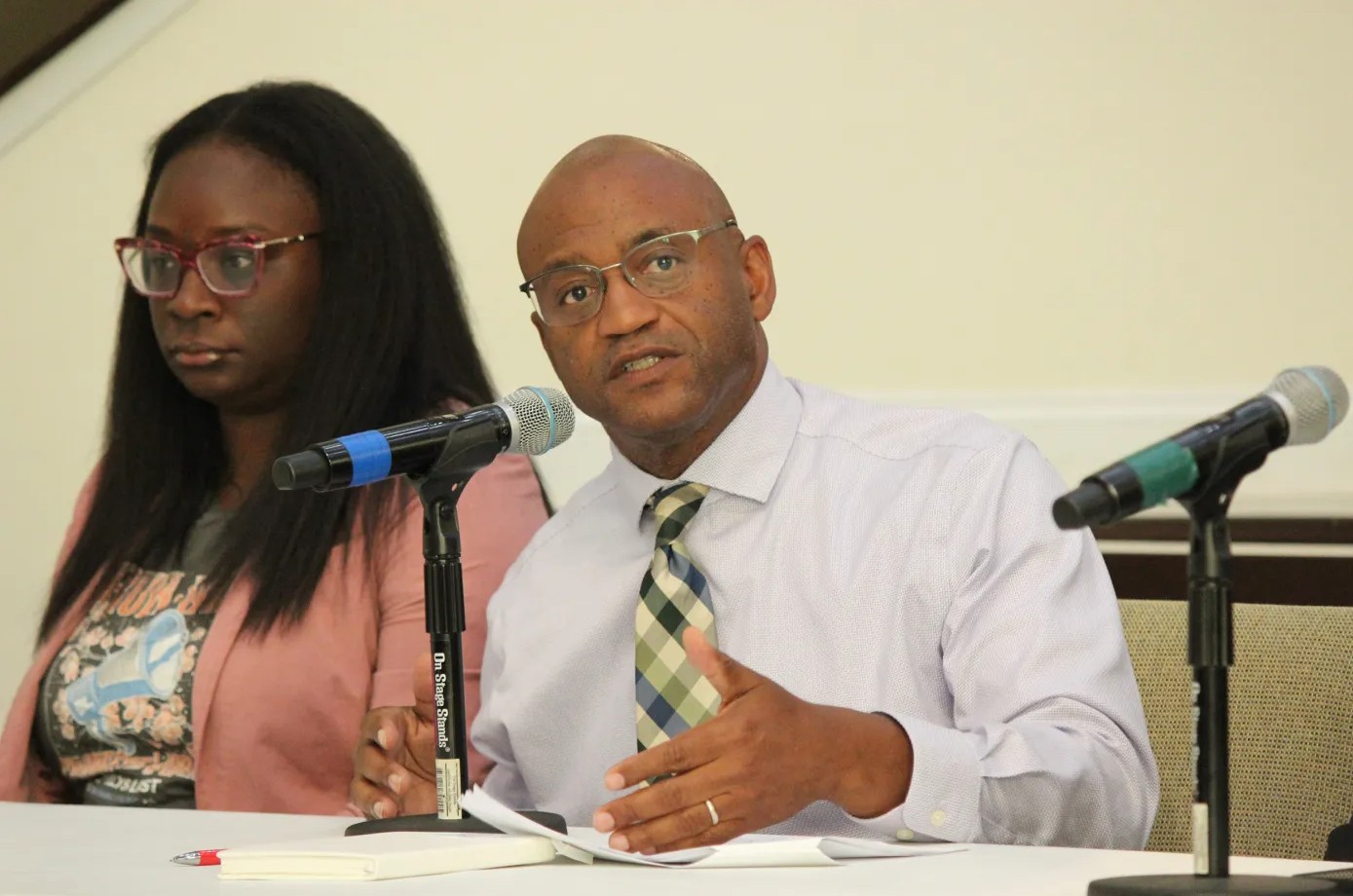
The initiative will feature a series of virtual and in-person workshops. Details were announced during a media briefing hosted by Black Voters Matter and moderated by journalist Joy Reid.
Cliff Albright, co-founder of Black Voters Matter, said that the new political environment requires social justice advocates to adapt both historical and contemporary methods of activism. “We are excited to partner with The King Center on this series,” Albright said, noting the enduring relevance of Dr. King’s message in the context of current policy debates.
Participants discussed strategies for civic engagement and strengthening political power at the community level. LaTosha Brown, co-founder of Black Voters Matter, emphasized that King’s ‘Letter’ offers not only historical insight but also a vision for shaping an equitable society. “When we teach this letter to a new generation, it’s not just about history. It’s about reimagining an America that truly delivers on its promises for all people,” Brown said.
The series will focus on four key themes drawn from King’s letter: civil disobedience, distinguishing between just and unjust laws, the role of the White moderate, and the church’s role in social change. King described the series as “a blueprint for hope, resilience, and action,” designed to equip participants with both historical understanding and practical tools for advocacy.
Dr. Bernice King added that ‘Letter from Birmingham Jail’ remains a vital resource for addressing injustice through nonviolence and strategic civil action. “It encompasses the mindset and methods necessary for challenging inhumanity, changing practices and policies, and creating a just, humane nation and world,” King said.
In a broader analysis of the political landscape, Democratic pollster Terrance Woodbury of HIT Strategies shared new data reflecting Black voters’ attitudes following the 2024 presidential election. According to a December 2024 survey, trust among Black voters in the efficacy of political systems had reached historically low levels. In 2020, 73% of Black voters believed their votes could effect change; by late 2024, that number had dropped to 25%.
Woodbury explained that skepticism among Black voters stems from frustration with systemic failures across various sectors, including democracy, healthcare, and the economy. “People don’t want to defend systems that have otherwise failed them,” he said.
Despite these challenges, leaders like Albright and Brown expressed optimism that this moment could serve as a catalyst for renewed political engagement and empowerment.
“We embrace non-violent civil disobedience,” Albright said, outlining plans to organize coalitions, marches, and sit-ins in the tradition of the Civil Rights Movement. Both leaders stressed that Black Americans are mobilizing in response to new policy challenges and are working toward building stronger, more resilient communities.
In a statement, Black Voters Matter emphasized that respectful dialogue and active participation in democracy are essential to achieving a more equitable society: “By engaging in constructive dialogue and respecting each other’s personhood, we can work toward solutions that benefit all and strengthen the very fabric of our democracy.”