The U.S. Supreme Court unanimously rejected a judicial doctrine that for years shielded law enforcement officers from civil liability in police shooting cases by allowing courts to assess force based only on the final moments before an officer pulled the trigger. In Barnes v. Felix, the high court struck down the Fifth Circuit’s “moment-of-threat” rule, which had been used to justify the 2016 killing of Ashtian Barnes, a Black man shot during a traffic stop outside Houston. Officer Roberto Felix fired two shots into Barnes’s moving car after stepping onto the doorsill. The lower courts determined that only the two seconds before the shooting—when Felix was holding onto the vehicle—mattered in deciding whether the use of deadly force was reasonable. The Supreme Court disagreed. Writing for the unanimous Court, Justice Elena Kagan made clear that determining whether an officer’s use of force is reasonable under the Fourth Amendment requires an analysis of the totality of the circumstances, including all events leading up to the shooting. “A court deciding a use-of-force case cannot review the totality of the circumstances if it has put on chronological blinders,” the Court ruled.
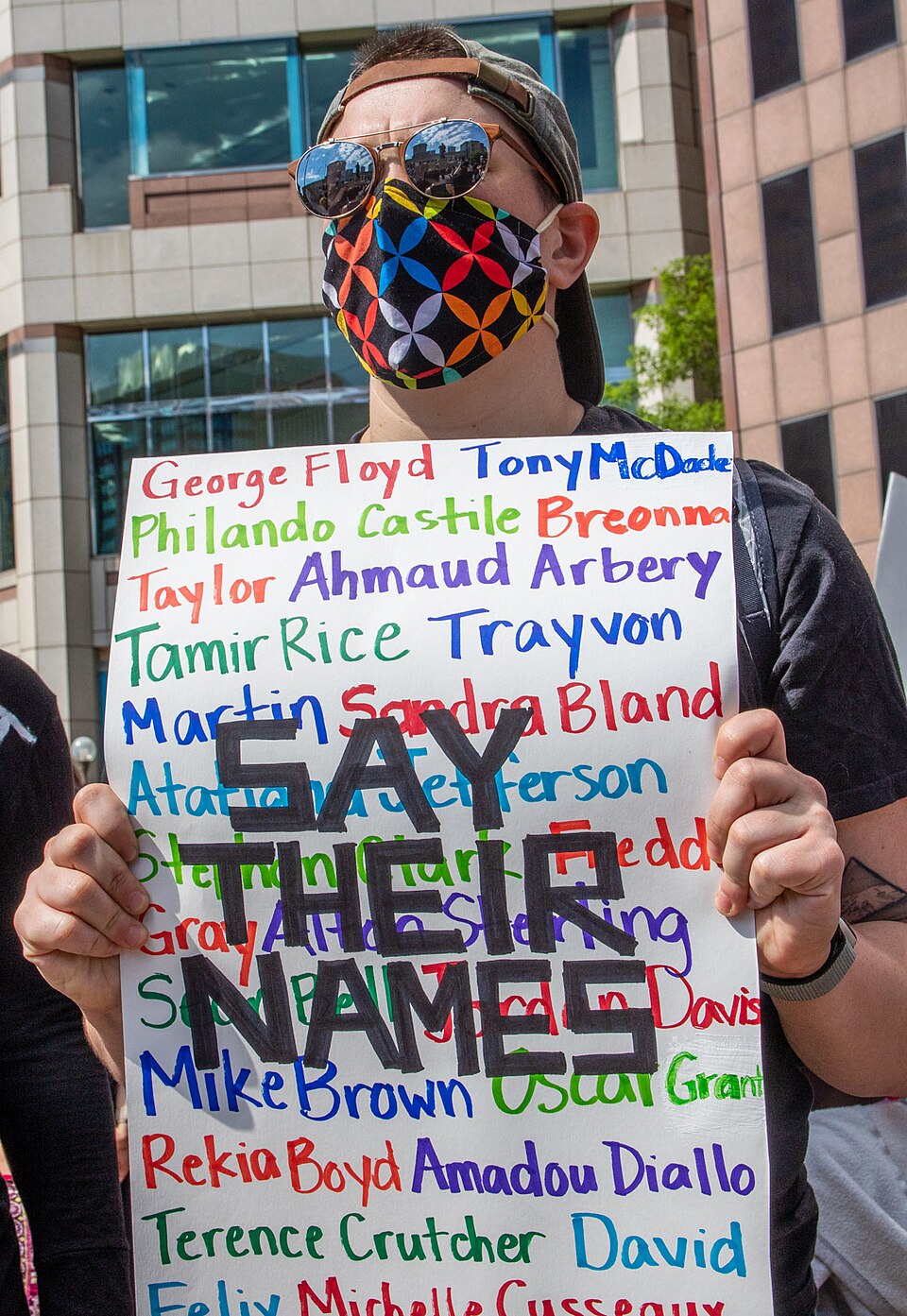
The victim’s mother, Janice Barnes, brought the case under Section 1983, alleging that Felix violated her son’s constitutional rights. The ruling sends the case back to the lower courts for reconsideration under the broader standard set by the Supreme Court. According to the Constitutional Accountability Center (CAC), the Court’s ruling solidifies that police do not have special constitutional status and should be held to the same accountability standards. “The moment-of-threat rule is entirely unsupported by the Constitution’s text and history,” said Nargis Aslami, a fellow at CAC. Chief Counsel Brianne Gorod added, “The Court took a small but important step toward greater accountability for police officers who violate the Fourth Amendment by inflicting unnecessary violence during their encounters with the public.” The ruling comes as data continue to show disproportionate police encounters and violence against Black Americans. A NAACP Criminal Justice Fact Sheet revealed that a Black person is five times more likely than a white person to be stopped without just cause. Black men are twice as likely to be stopped as Black women. Meanwhile, 65% of Black adults say they have felt targeted because of their race.

Each year, between 900 and 1,100 people are shot and killed by police in the United States. Since 2005, at least 98 non-federal law enforcement officers have been arrested for fatal on-duty shootings. Still, only 35 have been convicted—and just three have been convicted of murder with the convictions upheld. Recent data from the Prison Policy Initiative show that while white residents are most likely to initiate contact with police—for reasons like reporting crimes or seeking help—Black, Hispanic, and Asian individuals are more likely to be on the receiving end of police-initiated contact, including street stops, traffic stops, and arrests. Traffic stops, which remain the most common form of police-initiated contact, are also among the most lethal. According to Mapping Police Violence, over 100 police killings occurred during traffic stops in 2023. The Bureau of Justice Statistics reports that 62% of Black people whose most recent police contact in 2022 was initiated by officers were drivers in traffic stops. That compares to 56% to 59% among other racial groups. Black drivers were searched or arrested at a rate of 9%—more than double that of white drivers and significantly higher than Hispanic or Asian drivers. “The Supreme Court’s decision in Barnes v. Felix is crucial not only for police accountability but also for broader constitutional protections,” the North Star Law Group wrote in a post. “If the Court upholds the ‘moment of threat’ standard, it could make it even harder to hold officers accountable for excessive force. However, if it reinforces the ‘totality of circumstances’ standard or adopts a hybrid approach, it could create a fairer system that protects both civilians and responsible police officers.”