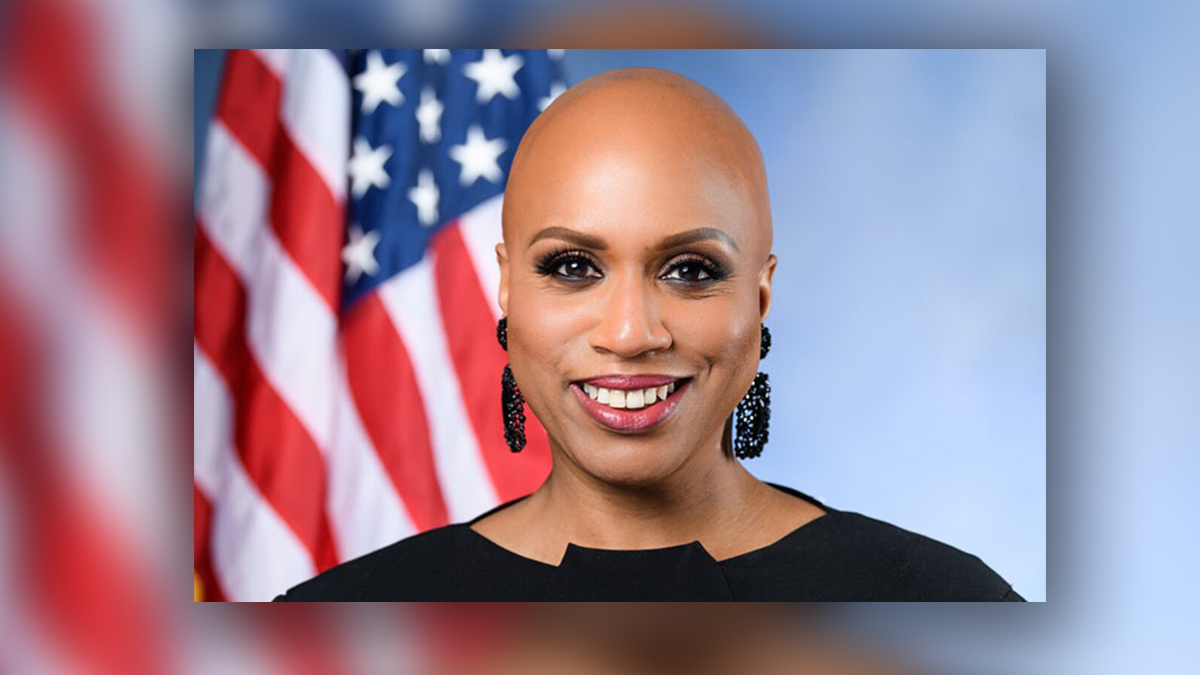
by Ta’Kyla Bates
For generations, my family has lived in a rural Alabama county with just one community hospital, with 107 beds to service 60,000 people. Among those 60,000, 19% of individuals are covered by Medicaid—including my mom, sisters, aunts, and uncles.

The hospital was at least a 20-minute drive away from where we lived when I was growing up. That’s hardly unusual. Pew Research found that on average, it takes people living in rural communities 17 minutes to get to their nearest hospital.
Those minutes can mean life or death in an emergency. Looming Medicaid cuts could make the situation even deadlier for rural Americans, who are at risk of losing both their health coverage and their nearest hospitals.
According to the 2020 census, roughly 66 million Americans live in rural areas, and about 16 million of those individuals are covered by Medicaid. But in the next decade, nearly two million rural Americans (and 17 million overall) could be at risk of losing their health care.
Why? Because of President Trump and his allies in Congress.
Over 10 years, the Republican budget (Trump’s so-called ‘big beautiful bill’) cuts trillions in Medicaid and SNAP benefits for the most vulnerable populations in order to hand tax cuts to the uber-rich. Rural communities will be especially hurt.
Many rural hospitals won’t be able to sustain operations without Medicaid patients, which will lead to hospital closures. And a ‘provider tax’ provision could make things even worse.
The federal and state governments split the cost of Medicaid. The federal government covers roughly 70%, leaving the other 30% for the states to pay. States usually pay their share through taxes, including income and sales taxes, local government funds, and taxes on health providers.
When states pay more toward Medicaid, the federal government matches them.
So when hospitals, nursing homes, ambulance services, and other providers are taxed to support the states’ share of Medicaid, that increases what states pay for the program—ensuring that states get more federal funding in return. “Providers generally like these taxes,” PBS NewsHour explains, because “that money can then ultimately go back to providers in the form of increased Medicaid payment rates.”
Edwin Park, a research professor at Georgetown, told NBC that provider taxes are “a key financing source for rural hospitals” in particular. But the Republican budget bill would slash provider taxes in Medicaid expansion states, ultimately cutting off a lifeline for rural communities and hospitals.
Already, more than 700 rural hospitals (that’s a third of all rural hospitals) face serious financial problems and are at risk of closing. In Tennessee, 13 are considered “at immediate risk,” the seventh highest total in the country. Nationally, at least 92 have closed over the past decade. And this bill would put an estimated 338 more at risk of layoffs, service reductions, or closure.
Of course, all this comes on top of the threat of losing Medicaid coverage itself. For my mom, this could mean losing her care as a breast cancer survivor insured by Medicaid. My younger sisters, like millions of other kids, could lose the care that all children should have access to.
Even for those not receiving Medicaid, this bill would impact health coverage by reducing access and increasing costs for everyone in rural communities.
The right to health care shouldn’t be a partisan issue. Indeed, cuts to Medicaid (and Trump’s so-called ‘One Big Beautiful Bill’ overall) are highly unpopular with the public. In surveys, 80% of Americans (including two thirds of Republicans) oppose cutting Medicaid to fund tax cuts for the rich. A few Republicans in Congress voted against the bill, too.
Americans care deeply about our right to a healthy life. This is a fight for human rights—for the rights of vulnerable people, for children, for families, for the disabled, and for our communities. And it’s far from over.
We must make our voices heard to reverse harm to rural hospitals, Medicaid coverage, and the human right to health care.
(Ta’Kyla Bates is a Henry A. Wallace Fellow at the Institute for Policy Studies, originally from Prattville, Alabama. This op-ed was distributed by <OtherWords.org>.)