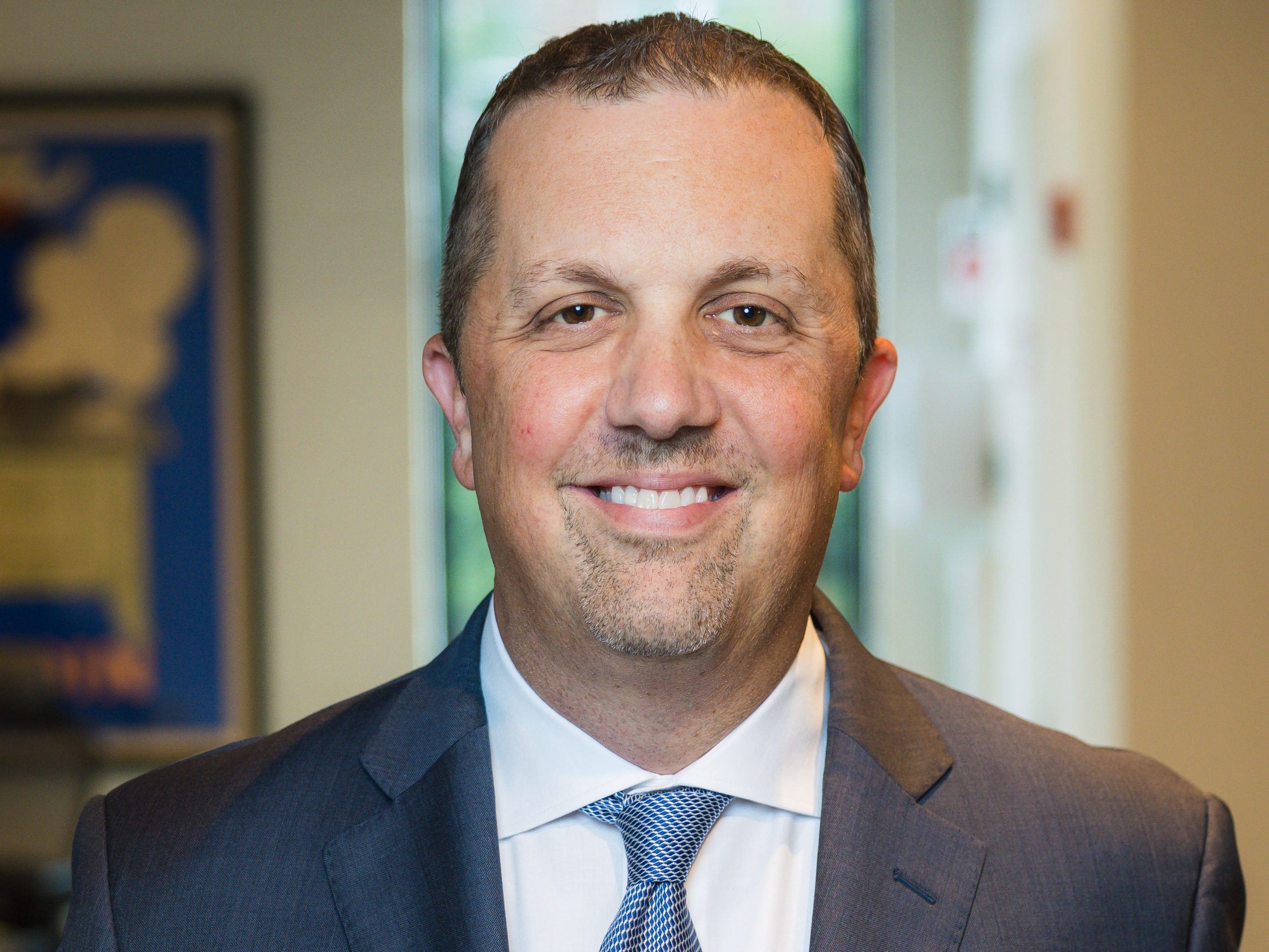
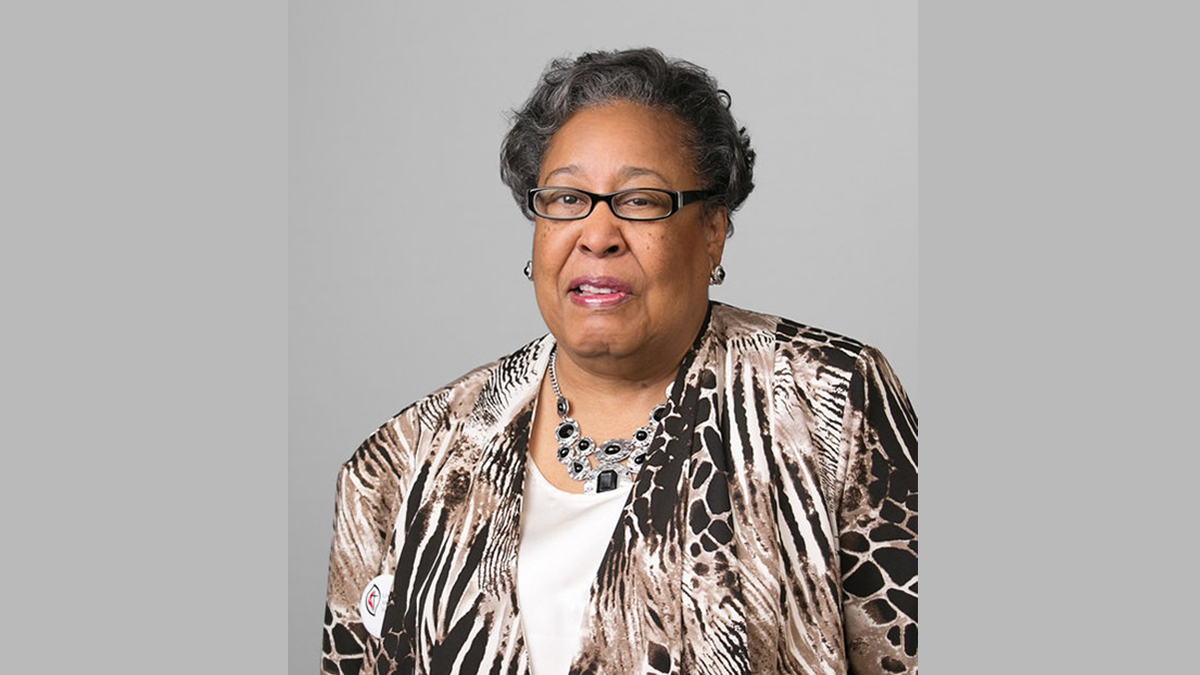
Tennessee Lt. Gov. Randy McNally has announced he will not seek re-election in 2026, bringing to a close a public service career that has spanned nearly five decades in the Tennessee General Assembly.
McNally, a Republican from Oak Ridge, cited health concerns in his decision. In a statement, he reflected on his years in office and thanked constituents and colleagues for their support. “It has been the honor of my life to represent the people of my community and serve the people of Tennessee,” McNally said. “It is with a full heart and a deep sense of gratitude that I announce I will not be a candidate for the state Senate in 2026.”

McNally graduated from Oak Ridge High School in 1962, earned a bachelor’s degree from Memphis State University in 1967, and completed his pharmacy degree at the University of Tennessee College of Pharmacy in 1969.
He worked in community pharmacies before joining Methodist Medical Center in Oak Ridge, where he served as a staff pharmacist for decades, retiring in 2010.
He first entered elected office in 1978, winning a seat in the Tennessee House of Representatives, where he served four terms and began what would become a long-standing focus on state finances and budgeting.
After moving to the Tennessee Senate in the late 1980s, McNally went on to become one of the legislature’s best-known budget voices. He later chaired the Senate Finance, Ways and Means Committee for years, overseeing the General Assembly’s constitutionally required task of passing a balanced budget and helping guide Tennessee’s reputation for fiscal conservatism.
McNally was elected lieutenant governor and Speaker of the Senate in 2017, becoming one of the few Republicans in modern Tennessee history to hold the post.
Over his career, McNally was recognized for legislative leadership and community involvement, and he was also known for working undercover during the Operation Rocky Top corruption investigation in the late 1980s.
In early 2023, McNally was hospitalized after experiencing symptoms of an irregular heartbeat and underwent emergency heart-related treatment at Vanderbilt University Medical Center, including a pacemaker plan reported at the time.
With McNally stepping away from the ballot in 2026, attention now turns to who will succeed him in Senate leadership. Under statehouse procedure, the Senate is expected to select its next lieutenant governor in January following the election.