Across the United States, maternal health advocates are increasingly pointing to doulas as a valuable part of the solution to the nation’s maternal health crisis, particularly for Black mothers, who continue to face significantly higher risks during pregnancy and childbirth.
For Treana Adams, the difference a doula made was immediate. When she arrived at the hospital in labor with her second child, one of her first calls was to her doula, Dani Wallace.

“I was very relieved when I actually saw her walk through the door,” Adams said. “Having somebody there that was standing up for me, understood the terms, and broke everything down so that I could adequately understand and make a decision for myself was very beneficial.”
Throughout more than 12 hours of labor, Wallace remained by Adams’ side, helping her manage contractions, explaining medical procedures, monitoring her birth plan, and providing emotional support. After the birth, she continued assisting during recovery.
Today, Adams recommends doula care to every expectant mother she knows.
The growing interest in doulas comes as the United States continues to struggle with maternal health outcomes. According to the Centers for Disease Control and Prevention, Black women are more than three times as likely to die from pregnancy-related causes as White women. The CDC has also reported that the vast majority of pregnancy-related deaths are preventable.
Pregnancy-related mortality includes deaths that occur during pregnancy or within a year after childbirth and remains a persistent challenge in communities across the country.
Doulas, who are trained professionals providing physical, emotional, and informational support before, during, and after childbirth, have emerged as important advocates for expectant mothers navigating an often-complex healthcare system.
“What we are trying to do as doulas is really bridge the gap between patients and physicians,” said Raven Thomas, a doula advocate and trainer. “We’re trying to help people advocate for themselves so they’re able to say, ‘This is what I like, this is what my body does, and this is how I’d like to give birth.’”
Unlike doctors, nurses, or midwives, doulas do not provide medical care. Instead, they help families understand their options, communicate effectively with healthcare providers, and remain informed throughout the pregnancy and birthing process.
The American College of Obstetricians and Gynecologists describes doulas as trained support professionals who can improve a mother’s childbirth experience by providing continuous emotional and physical support.
For Lexus Block, a first-time mother, hiring a doula was one of the first decisions she made after learning she was pregnant.
“I don’t trust you guys, to be frank,” Block recalled telling her doctor when asked why she wanted a doula. Her concerns stemmed from longstanding racial disparities in maternal health and the experiences many Black women report having within healthcare settings.
Advocates say stories like Block’s are common. Many women seek doulas not because they distrust individual healthcare providers, but because they want an additional layer of support and advocacy during one of the most vulnerable periods of their lives.
Medical professionals increasingly recognize the role doulas can play as part of a collaborative care team.
“The doula, like the nurse and myself, are like a team,” said Dr. Chibuike Anucha, an obstetrician who has worked alongside doulas for years. “Our goal is to make sure that the mom and the baby have a successful outcome.”
Anucha emphasized that doulas should complement, not replace, medical professionals. At their best, he said, doulas can help patients communicate concerns, understand recommendations, and feel more confident throughout labor and delivery.
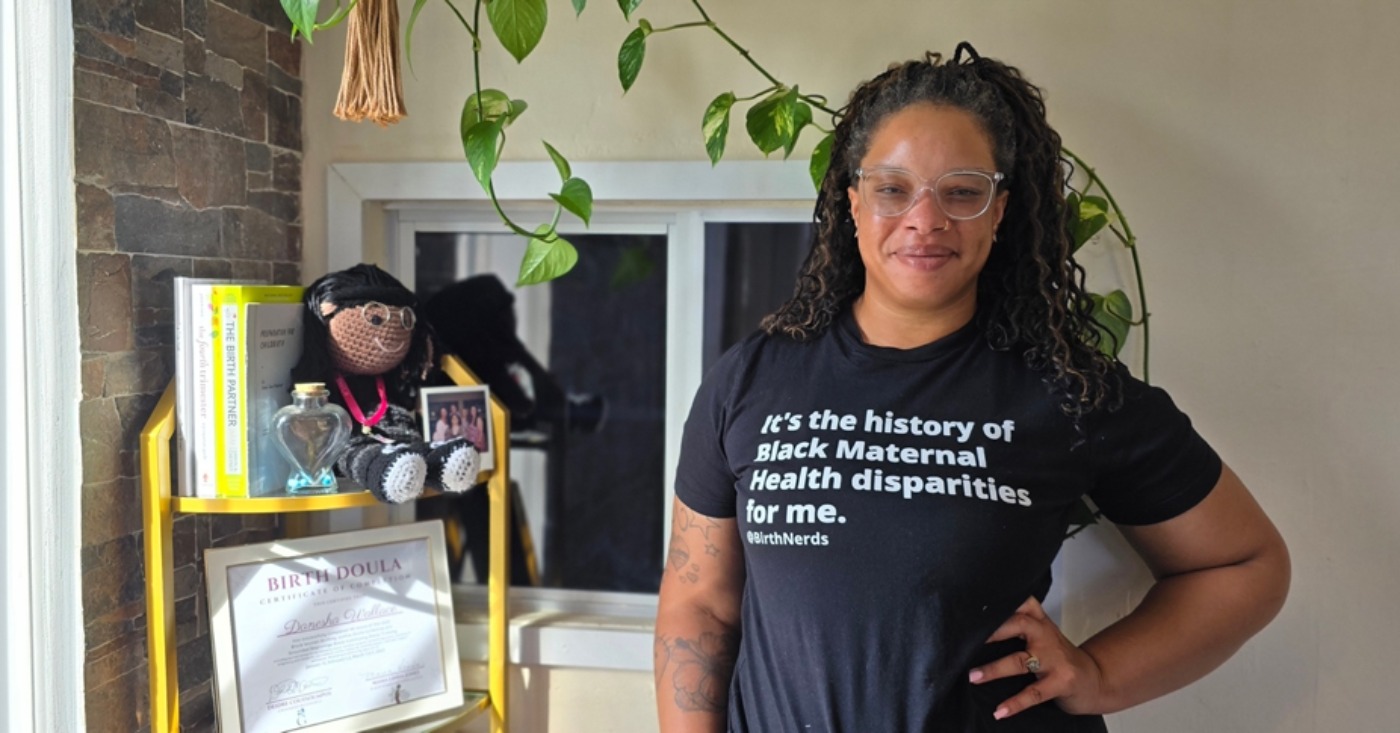
For Wallace, her work is deeply personal.
A mother of five, Wallace became a doula after experiencing serious complications during one of her own pregnancies. She believes her concerns were not fully addressed and later suffered the devastating loss of her infant son.
That experience motivated her to help other mothers navigate pregnancy and childbirth with greater support and confidence.
Her work often extends beyond the delivery room. She attends prenatal appointments, teaches childbirth education classes, coaches partners on how to provide support, and helps families prepare questions for healthcare providers.
For mothers like Nu’Ponica Barker, that support can be transformative.
“It was like night and day,” Barker said of Wallace’s presence during childbirth. “She was there for me in a way that no one was able to do prior to that. She mirrored what I wanted, what I needed. She brought a sense of calm and peace and assertiveness. She was my backbone.”
As healthcare leaders, advocates, and policymakers continue searching for ways to improve maternal health outcomes nationwide, many believe doulas represent an important piece of the puzzle.
For Adams, the recommendation is simple.
“If you’re going to have a child,” she said, “get a doula.”