

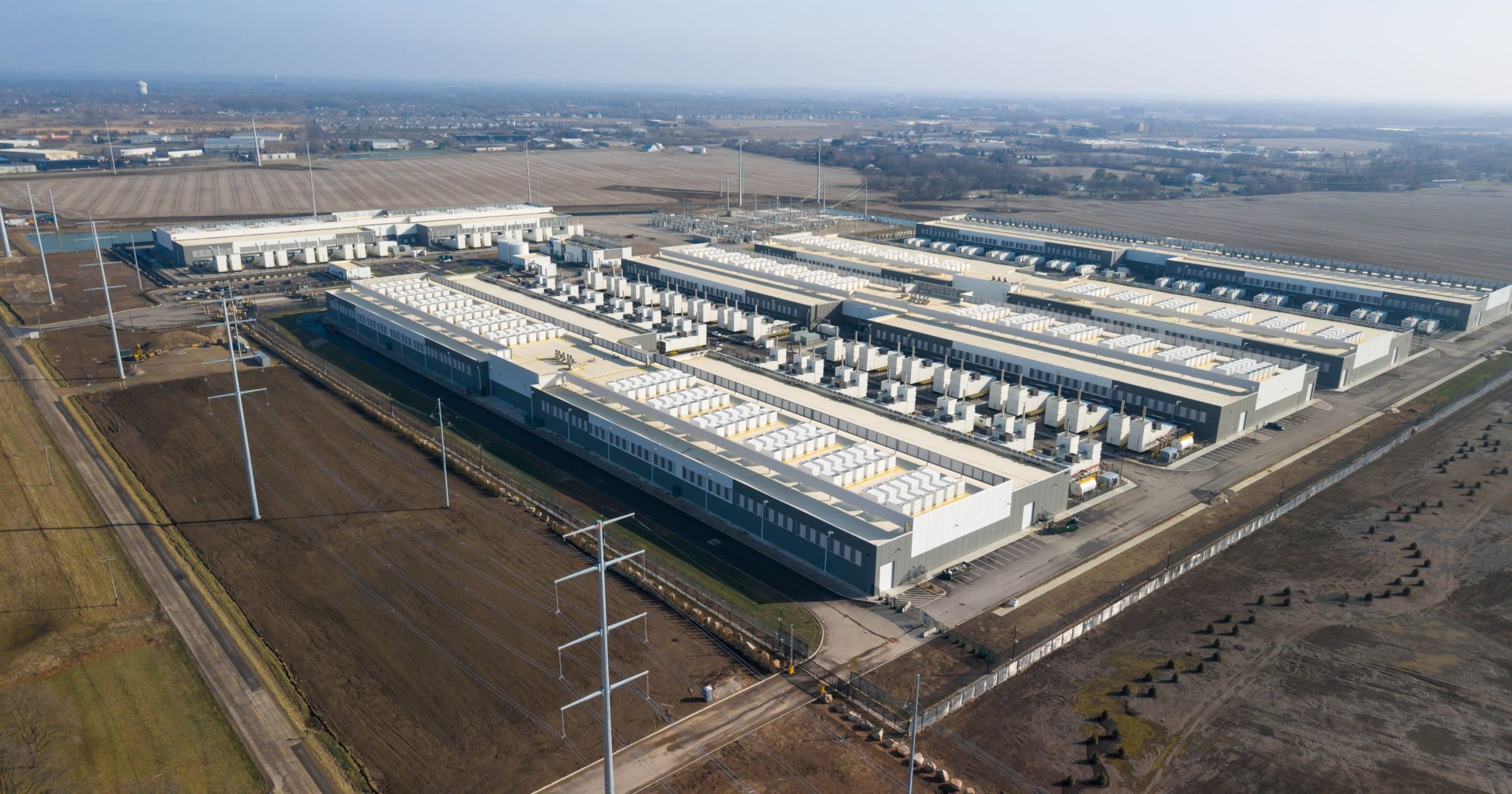
Opposition to large-scale data centers is growing in rural communities across Tennessee and the nation as residents raise concerns about land use, electricity demand, water consumption and the pace of development.
While data centers have historically been concentrated in metropolitan areas, roughly two-thirds of new facilities are now planned for rural communities, according to reporting from The Daily Yonder.

In Nashville, the debate has already prompted local action. Mayor Freddie O’Connell signed an executive order in June directing Metro departments to support a temporary moratorium on new large-scale data centers while officials study potential impacts and develop regulations. Metro officials have cited concerns involving infrastructure, energy demand, water use, noise, environmental impacts and effects on surrounding neighborhoods.
The move comes amid growing opposition nationwide.
Researchers tracking data center resistance identified 580 local opposition groups active on Facebook as of August, with more than 640,000 members across the country. Earlier research found organized opposition in both metropolitan and rural communities across 43 states.
The rapid expansion is being driven in part by artificial intelligence, which requires data centers capable of consuming significantly more land, electricity and water than many earlier-generation facilities.
Local governments are responding with policies ranging from temporary pauses to permanent development restrictions. Of nearly 700 data center-related restrictions reviewed as of August, about one-quarter were in rural areas.
According to data compiled by the FracTracker Alliance, 84% of the local regulations identified had already been enacted. Those measures include zoning changes, moratoriums and other ordinances restricting data center development, including 151 policies in rural communities across 34 states.
Supporters of temporary moratoriums say the pauses give local governments time to study the effects of proposed facilities and adopt permanent rules before additional projects move forward.
In Nashville, Metro Planning staff said a moratorium could provide time for permanent regulations to be developed. Officials have been examining potential requirements related to noise, generator emissions, water and power capacity, setbacks and reporting requirements.
The debate is also intensifying across the South, where nearly half of planned U.S. data center construction is expected to occur.
Stephen Smith, executive director of the Southern Alliance for Clean Energy, said communities need more time to examine the economic, environmental and cultural consequences of large developments.
“Move fast and break things is 180 degrees opposite of the way a lot of people think in the South,” Smith said. “There is a need to recognize the communal, cultural impact of this.”
Some elected officials in other states have also called for restrictions or temporary pauses as data center projects expand into new communities.
Supporters of the industry argue that data centers can generate investment, construction activity and tax revenue, while critics say communities can be left with increased demand on electric grids, water systems and other infrastructure without enough long-term jobs to offset those costs.
For rural communities, the debate is expected to become more significant as developers look beyond traditional technology hubs for large tracts of land and access to power.
In Nashville, O’Connell has said the goal is not simply to address individual projects but to establish clearer rules governing where and how large-scale data centers can operate.
“Our zoning code doesn’t distinguish between a server room and a hundred-megawatt campus,” O’Connell told Metro Council in July. “That’s a gap we must close.”
(This story was produced by Tennessee News Service, with reporting from The Daily Yonder through the Public News Service/Daily Yonder collaboration.)