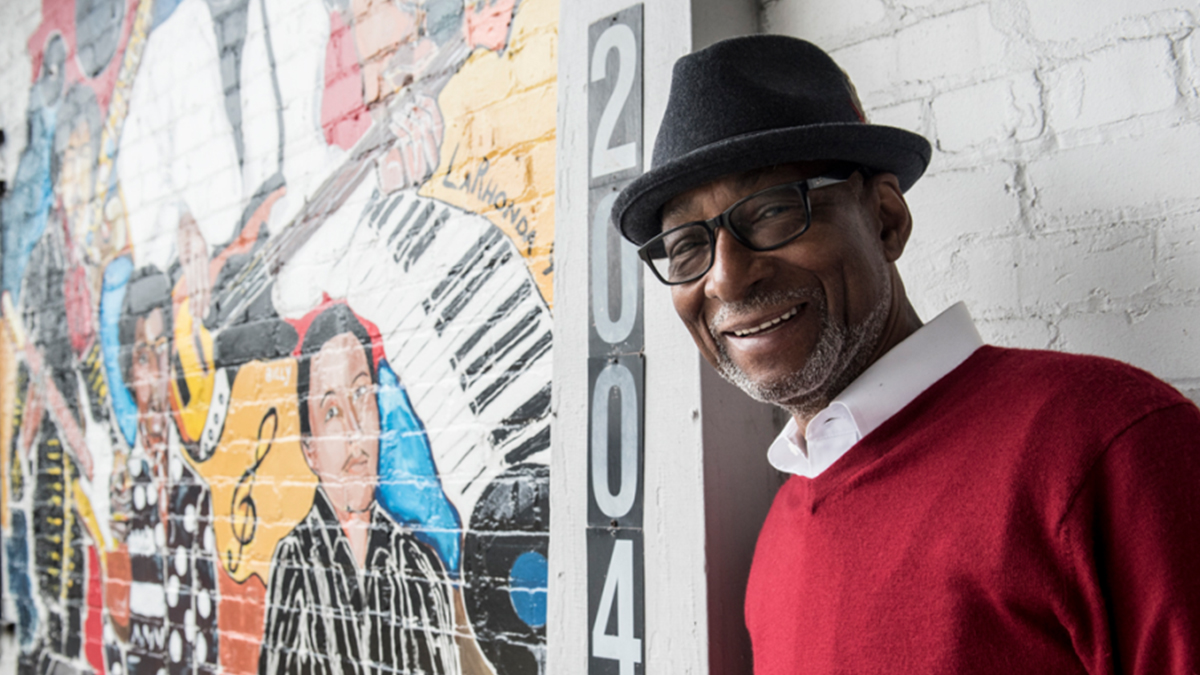
NASHVILLE, Tenn. — Lorenzo Washington, founder of the Jefferson Street Sound Museum and a tireless advocate for preserving Nashville’s African American musical heritage, died October 21 following a brief battle with cancer. He was 83.
A lifelong Nashvillian, Washington devoted much of his life to ensuring that the musicians, clubs and cultural institutions that made Jefferson Street a thriving center of Black entertainment would not be forgotten.
Born in 1943, Washington grew up in East Nashville during segregation, witnessing both the challenges facing African Americans and the extraordinary musical culture developing in the city’s Black neighborhoods.
During the 1950s and 1960s, Jefferson Street was a major destination for live entertainment, attracting performers such as Jimi Hendrix, Ella Fitzgerald, Little Richard, Tina Turner and Jackie Shane. Its nightclubs and ballrooms helped establish Nashville’s reputation as a music center long before the city’s musical identity became internationally associated with Music Row.
Much of that vibrant entertainment district disappeared following the construction of Interstate 40 through North Nashville in the late 1960s. The highway divided neighborhoods, displaced residents and contributed to the loss of businesses and cultural landmarks.
Washington made preserving that history his life’s mission.

In the early 1970s, he established Soul Shack Records and Boutique, beginning a career that connected him with musicians, producers and recording artists. In 1976, he partnered with Moses Dillard and Jesse Boyce of Dillard & Boyce Productions to release “Come On Dance” by the Saturday Night Band, which reached No. 2 on the charts.
His greatest contribution to Nashville’s cultural preservation came in 2011, when he founded the Jefferson Street Sound Museum.
Operating from his property on historic Jefferson Street, Washington assembled thousands of photographs, recordings, instruments and other memorabilia documenting the musicians and entertainment venues that once defined the neighborhood.
The museum became a destination for musicians, historians, students and tourists interested in learning about Nashville’s Black music pioneers. It also provided recording and rehearsal facilities, connecting the neighborhood’s musical past with emerging artists.
Washington operated the museum alongside his wife, Karen Coffee, who shared his commitment to preserving the community’s history.
His contributions earned recognition throughout Nashville. In 2023, Mayor Freddie O’Connell proclaimed April 3 Lorenzo Washington Day. The National Museum of African American Music honored him in 2024 with its “Living Legends: Lorenzo Washington” exhibition, featuring artifacts from his collection.
Earlier this year, the Jefferson Street Sound Museum was added to the U.S. Civil Rights Trail, recognizing its importance in documenting African American cultural history.
The Nashville Black Music Association also named Washington among its 2026 Nashville Gospel Honors honorees.
Following his death, the National Museum of African American Music paid tribute to Washington’s lasting influence.
“Lorenzo understood something essential about this city: that Music City was built by more hands than the official story usually credits,” said Bill Jeffries, president of the museum. “He gave those hands names and faces. Every institution in Nashville that cares about Black music, including ours, is in his debt.”
Davidson County Register of Deeds Karen Johnson, a longtime friend of Washington, expressed her grief in a statement issued October 26, describing his passing as a deeply personal loss.
“My heart is deeply saddened by the passing of Lorenzo Washington. Nashville has lost a remarkable man whose love for his community, its people, and its history was evident in everything he did,” Johnson said.
Johnson praised Washington for recognizing the contributions of African American musicians, entertainers and business owners to Nashville’s cultural identity.
“Through the Jefferson Street Sound Museum, he dedicated his life to preserving that history, sharing the stories of legendary performers, and making certain that future generations would understand the significance of Jefferson Street to Music City,” she said.
Beyond his accomplishments, Johnson remembered Washington for his personal warmth and dedication to his community.
“But beyond his accomplishments, Lorenzo was my friend. I will remember his warmth, his passion, his wonderful storytelling, and the pride he took in sharing the history of a community he loved so dearly.”
Washington’s work helped bring greater recognition to the contributions of African American artists whose influence on Nashville’s musical development was often overlooked.
Through his museum, he preserved not only the achievements of nationally recognized performers but also the stories of local musicians, club owners and residents who helped make Jefferson Street an important cultural center.
Washington is survived by his wife, Karen Coffee, and children Dwayne, Tracey, Patricia and Ryan.
Public viewing will be held Friday, October 30, from 1 to 5 p.m. at New Season Church, 1900 S. Hamilton Road, Nashville. Family visitation will take place Saturday, October 31, from 11 a.m. to noon at Olivet Missionary Baptist Church, 144 Ewing Lane, with funeral services immediately following.
Arrangements are being handled by Smith Funeral Directors.
The Jefferson Street Sound Museum remains open, continuing Washington’s mission of preserving and sharing the musical history of North Nashville.
His legacy lives on through the thousands of artifacts and stories he collected, ensuring that future generations understand the essential role Jefferson Street played in making Nashville Music City.