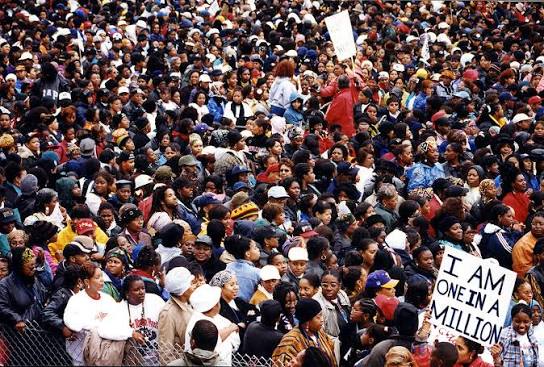
As Black women reflect on the 29th anniversary of the historic Million Woman March, the message of sisterhood, economic empowerment and collective action remains as relevant today as it was nearly three decades ago.
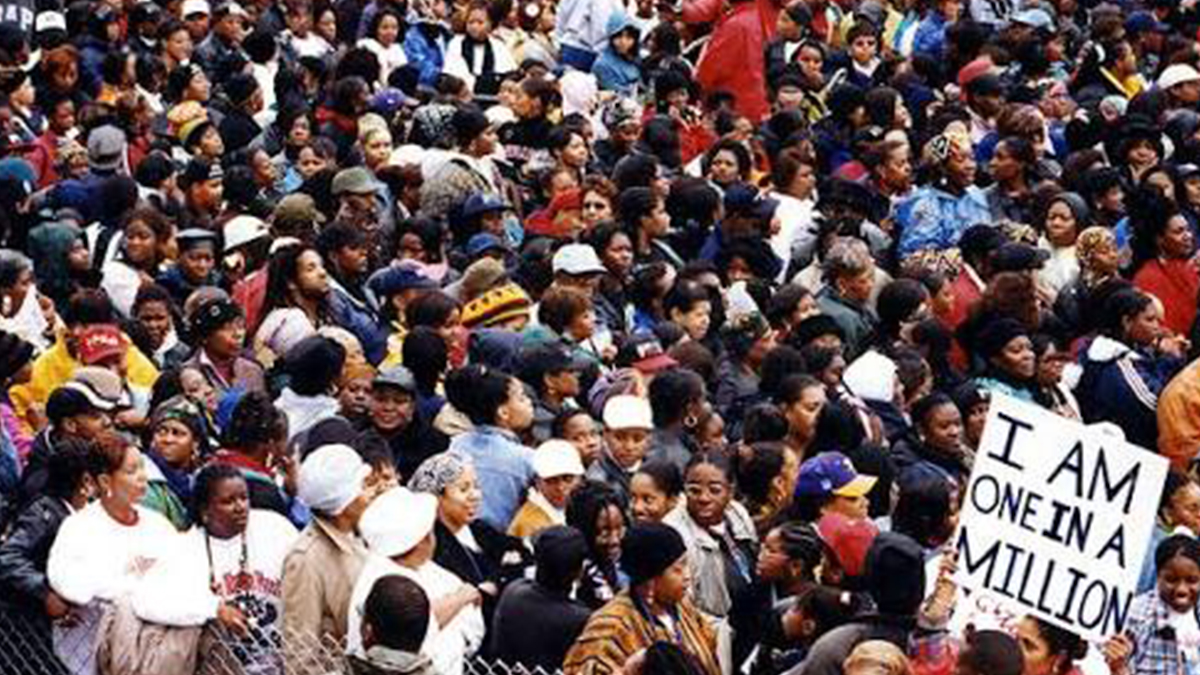
October 25 marked 29 years since hundreds of thousands of Black women gathered in Philadelphia, Pennsylvania, for the Million Woman March of 1997. The historic demonstration brought women from across the country together to address economic inequality, educational opportunities, family stability and the need for stronger Black communities.
Organized by grassroots activists Phile Chionesu and Asia Coney, the march represented a powerful demonstration of unity and determination. Women from different generations, professions and economic backgrounds gathered around a shared commitment to improving conditions for themselves, their families and future generations.
Today, the anniversary provides an opportunity to reflect on the meaning of sister solidarity and the challenges Black women continue to confront.
One of the most pressing concerns remains the financial insecurity experienced by many Black women, including those who work full time, hold college degrees and have spent years building careers.
Despite educational and professional achievements, unequal earnings, employment uncertainty, rising living expenses and limited opportunities for wealth accumulation continue to create barriers to economic stability.

Recent employment figures underscore those concerns. According to an October analysis by the National Women’s Law Center, the unemployment rate for Black women increased from 5.6% in August to 6.8% in September 2026. The organization also reported that the number of women participating in the labor force had declined significantly since January.
These challenges have consequences beyond individual households. Black women are often central to the financial well-being of their families, supporting children, aging parents and extended relatives while managing their own economic responsibilities.
For many, the concern is no longer simply finding employment but securing wages and opportunities that provide lasting financial stability.
The economic issues raised during the Million Woman March remain central to discussions about equal opportunity, affordable housing, access to education, entrepreneurship and financial independence.
The anniversary also comes amid renewed concerns about police accountability following the death of one-year-old Kohen Wiley in Senatobia, Mississippi.
Kohen was fatally shot June 14, 2026, when a police officer fired into a vehicle in a Walmart parking lot during a response to a reported shoplifting incident. The shooting also seriously injured the woman driving the vehicle.
On October 19, Mississippi Attorney General Lynn Fitch announced that her office had determined the officer’s use of deadly force was justified and would not pursue criminal charges.
Authorities maintained that the vehicle moved toward officers, placing them in danger. Kohen’s family and its attorneys have challenged the circumstances surrounding the shooting and questioned the state’s conclusions.
The case has generated calls for greater transparency, including access to body-camera footage and a more complete explanation of the evidence reviewed by investigators.
On October 22, family members and their attorneys renewed their calls for accountability and requested a federal investigation into Kohen’s death.
The tragedy has become another example of the concerns surrounding police use of force, public trust and the protection of children that continue to resonate within Black communities.
Nearly three decades after the Million Woman March, the principles that inspired the gathering continue to shape conversations about the future of Black women and their communities.
Sister solidarity extends beyond celebrating shared history. It includes supporting women-owned businesses, mentoring young people, advocating for equitable employment opportunities, strengthening families and standing together when communities face injustice.
The legacy of the 1997 march also serves as a reminder of the influence Black women have exercised through grassroots organizing, civic participation, education and community leadership.
While progress has been made in expanding opportunities and representation, the economic and social challenges facing many Black women demonstrate that the work envisioned by the march’s organizers remains unfinished.
As the 29th anniversary is commemorated, the message remains one of unity, resilience and collective responsibility.
The Million Woman March was more than a gathering on a single October day. It represented a commitment to building stronger communities and ensuring that the voices and concerns of Black women would not be overlooked.
Twenty-nine years later, that commitment continues to define the meaning of sister solidarity.